Industry Spotlight: Alternative Financing for Recyclable Material Wholesalers
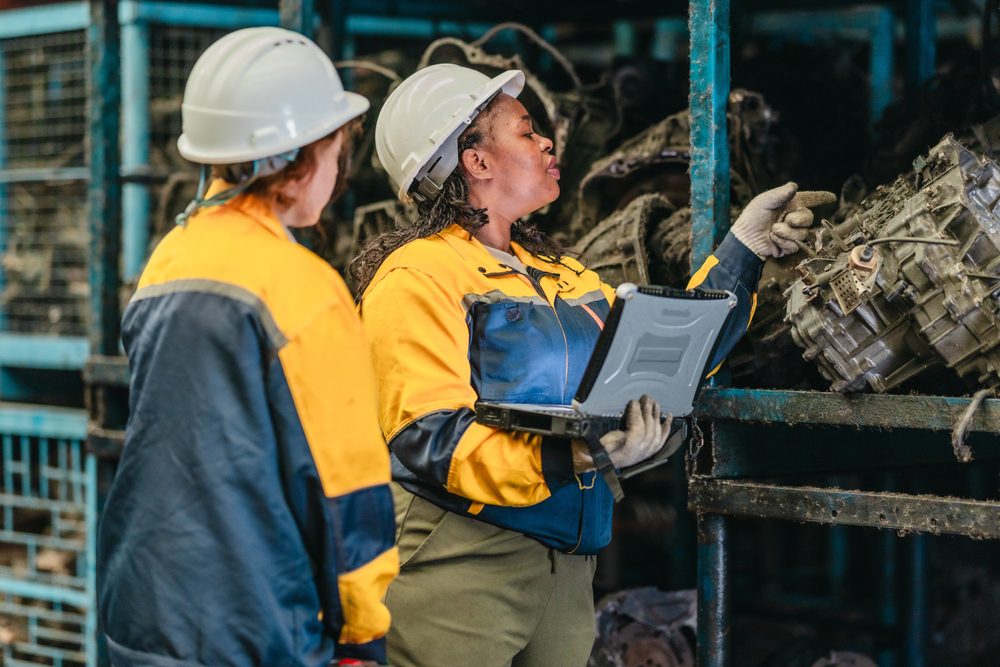
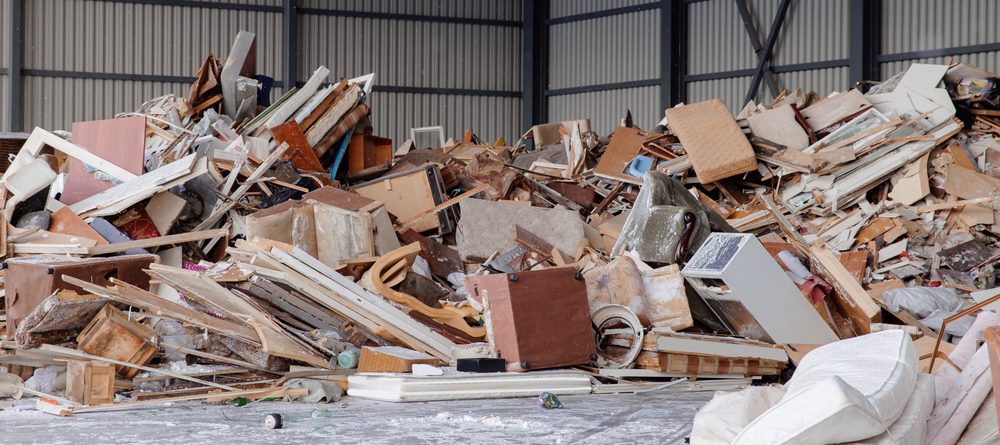
Recyclable material wholesalers operate in a commodity market where the timing of purchases and sales determines whether the business generates cash or consumes it. These companies buy scrap metal, cardboard, paper, plastics, and other recoverable materials from generators, including manufacturers, demolition contractors, and municipalities, and then sell those materials to processors, mills, and end-use buyers. The margin lives in the spread between what they pay and what they collect, and the cash flow challenge lives in the gap between when they pay and when they get paid.
The Cash Flow Structure of the Business
A recyclable material wholesaler pays for incoming material fast. Generators expect prompt payment, and the competitive nature of sourcing means a wholesaler that is slow to pay loses supply to a competitor willing to move faster. On the sell side, the mills, paper processors, and metal refiners buying that material pay on their own schedules, which run from net-30 to net-60 in most cases.

That gap between paying for inventory and collecting on its sale is the structural cash flow challenge in this business. A wholesaler buying $200,000 in scrap metal in a given week may not collect the proceeds from selling that material for 45 days. The next week’s purchases cannot wait for the prior week’s collections to arrive, which means the business is funding new inventory against outstanding receivables on a continuous basis.
Commodity Price Risk Adds a Layer of Complexity
Unlike many industries where the cost of goods is stable from month to month, recyclable material wholesalers operate in a commodity market where prices shift on supply and demand signals that are outside the business’s control. A drop in scrap metal prices or a softening in the paper market between the time a wholesaler takes in material and the time it sells can compress margins on inventory already purchased and priced in.
This dynamic makes cash flow planning harder and makes the case for financing tools that are flexible and tied to actual transaction volume rather than projected earnings. A financing structure built around outstanding receivables adjusts with the business’s activity rather than holding it to a fixed credit limit set when commodity prices were at a different level.
Why Conventional Credit Falls Short
Recyclable material wholesalers face a particular challenge with conventional bank lending. The inventory they hold is commodity-priced and liquid, which sounds like an asset but creates complications when a lender tries to use it as collateral. The value of a yard full of scrap metal or a warehouse of baled cardboard changes with market prices, and conventional lenders are cautious about extending credit against an asset whose value can shift between appraisal and default.
Accounts Receivable Financing for Recyclable Material Wholesalers
AR financing converts outstanding invoices into working capital without waiting on the mill or processor’s payment cycle. For a recyclable material wholesaler that has delivered a load of scrap metal to a steel mill or a bale of cardboard to a paper processor, that invoice can be converted to an advance within days rather than 45 to 60 days later.
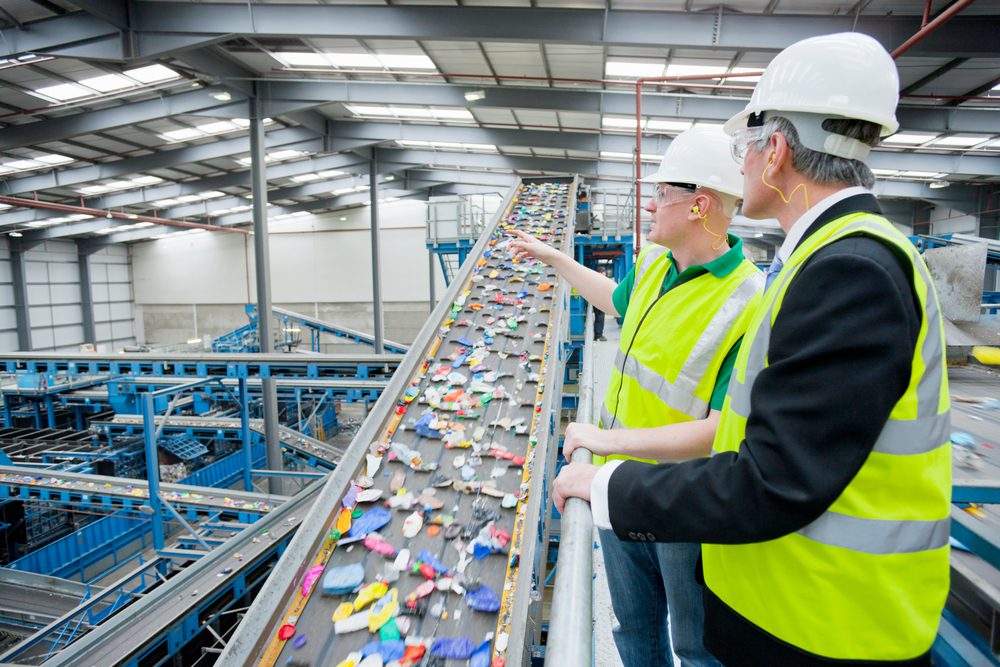
The creditworthiness of the account debtor anchors the AR financing decision. Steel mills, paper processors, plastic reclaimers, and metal refiners are established industrial buyers with credit profiles a financing company can evaluate with confidence. A wholesaler whose buyers include large industrial processors has account debtors whose payment obligations support a sound advance, even if the wholesaler itself has a thin balance sheet or a credit file that a conventional lender would view with caution.
This makes AR financing a strong fit for growing wholesalers that are adding new buyer relationships, increasing volume with existing buyers, or expanding into new material streams. The working capital available through AR financing grows with invoice volume rather than sitting at a fixed limit.
Invoice Factoring for Recyclable Material Wholesalers
Invoice factoring gives recyclable material wholesalers a way to convert outstanding invoices into cash by selling those invoices to a factoring company outright. Where AR financing is an advance against a receivable the business retains, factoring transfers the invoice to the factor, which then takes on the responsibility of collecting from the buyer. The wholesaler receives an advance on the invoice value, and when the mill or processor pays, the factoring company remits the remaining balance minus its fee.
For a recyclable material wholesaler, the practical effect is the same as AR financing: cash arrives within days of the sale rather than weeks later. The distinction matters operationally. In a factoring arrangement, the factoring company notifies the account debtor that the invoice has been sold and that payment should go to the factor rather than the wholesaler. For businesses where the buyer relationship is straightforward and the customer base is stable, that notification is a routine part of the transaction. For wholesalers where customer relationships are more sensitive, the non-notification structure available in some AR financing programs may be a better fit.
Equipment and Operations Financing
Recyclable material wholesalers invest in the infrastructure that makes material handling possible, including balers, shredders, forklifts, trucks, and yard equipment. Equipment financing allows a wholesaler to acquire or replace that equipment without pulling capital out of the working capital pool that funds inventory purchases.
Sale-leaseback arrangements give wholesalers that own equipment outright a way to convert that asset value into working capital while retaining full use of the equipment. For a wholesaler facing a capital-intensive period of growth, a sale-leaseback can provide the liquidity needed to fund inventory without adding to the business’s borrowing burden.
What This Means for Recyclable Material Wholesalers
The cash flow structure of recyclable material wholesaling, fast inventory purchases, delayed collections, and commodity price exposure, requires financing tools built for speed and flexibility. AR financing tied to invoices owed by creditworthy industrial buyers addresses the collection gap at its source, and equipment financing supports the operational investment that keeps the business running.
Latest Blogs
-

Why AR Financing and Invoice Factoring Beat a Merchant Cash Advance for B2B Businesses
When a business needs working capital fast, a merchant cash advance can look like an easy answer. Approval is quick, funding arrives within days, and the application process asks for less documentation than a bank loan. For a B2B business that invoices other businesses on net payment terms, though, a merchant cash advance is the…
-

Industry Spotlight: Alternative Financing for General Contractors
General contractors build the projects that define communities and drive commercial development, and they do it while carrying some of the most demanding cash flow structures in any industry. A GC mobilizes crews and orders materials before the first pay application goes out, manages subcontractor payments on schedules that may not align with owner payments,…
-
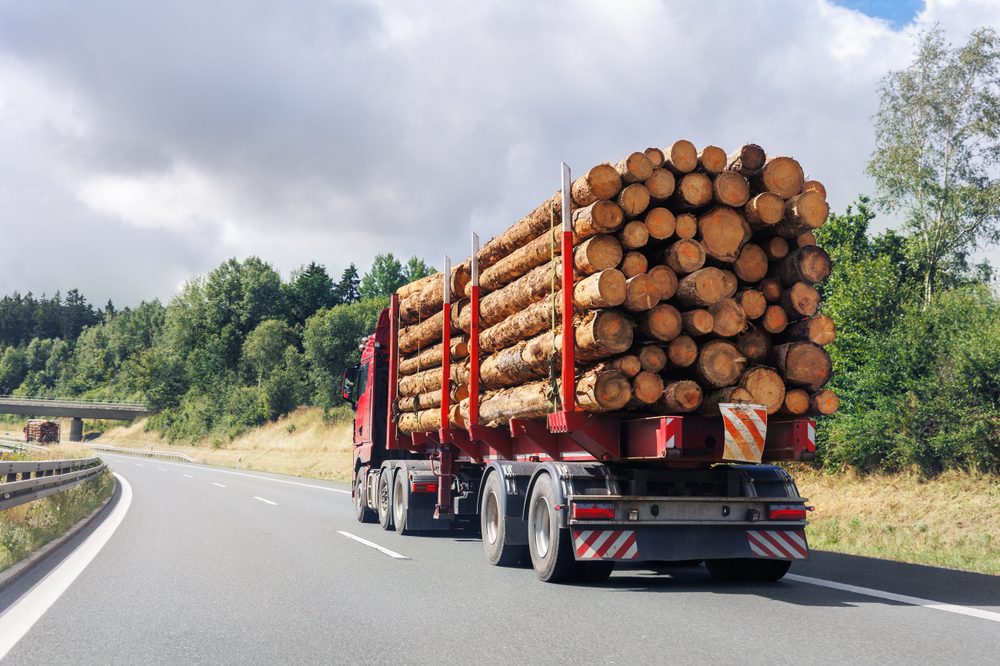
Industry Spotlight: Alternative Financing for Forestry and Timber Companies
Forestry and timber operations run on long cycles, expensive equipment, and customers who pay on their own schedules. A logging crew mobilizes, harvests timber, hauls logs to a mill or landing, and delivers product against a contract or purchase order, with the costs of that work hitting the books before the buyer’s payment arrives 30…
-
Industry Spotlight: Alternative Financing for Recyclable Material Wholesalers
Recyclable material wholesalers operate in a commodity market where the timing of purchases and sales determines whether the business generates cash or consumes it. These companies buy scrap metal, cardboard, paper, plastics, and other recoverable materials from generators, including manufacturers, demolition contractors, and municipalities, and then sell those materials to processors, mills, and end-use buyers….