Industry Spotlight: Alternative Financing for Forestry and Timber Companies
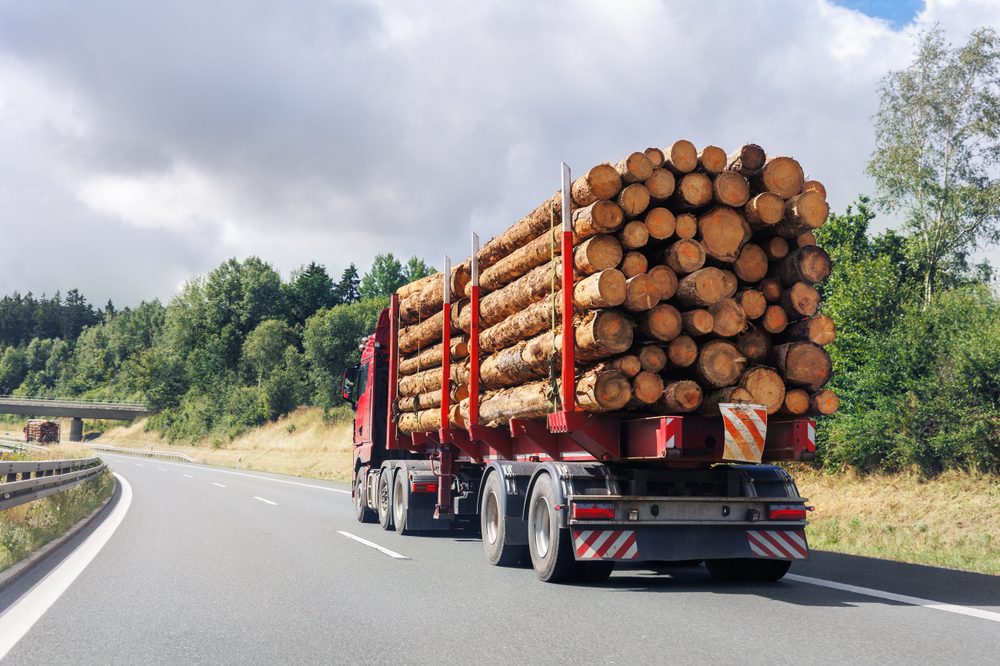
Forestry and timber operations run on long cycles, expensive equipment, and customers who pay on their own schedules. A logging crew mobilizes, harvests timber, hauls logs to a mill or landing, and delivers product against a contract or purchase order, with the costs of that work hitting the books before the buyer’s payment arrives 30 to 60 days later. For companies operating multiple crews or managing large harvest contracts, the gap between spending and collecting can be substantial, and conventional financing tools do not reflect the way this business works.
The Cash Flow Structure of Timber Operations
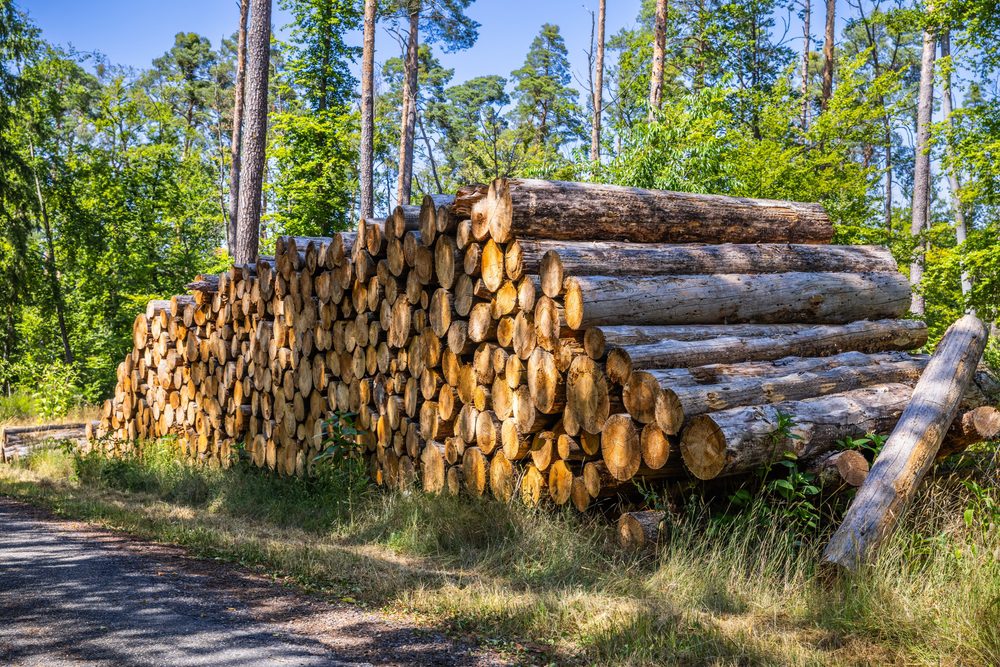
Timber harvesting is front-loaded with cost. Before a single log reaches the landing, the business has committed equipment hours, fuel, and crew time. Skidders, feller bunchers, processors, and log trucks run on fuel and maintenance budgets that hit the books daily, and crew payroll runs on a weekly or biweekly cycle regardless of where the harvest contract sits in its delivery schedule.
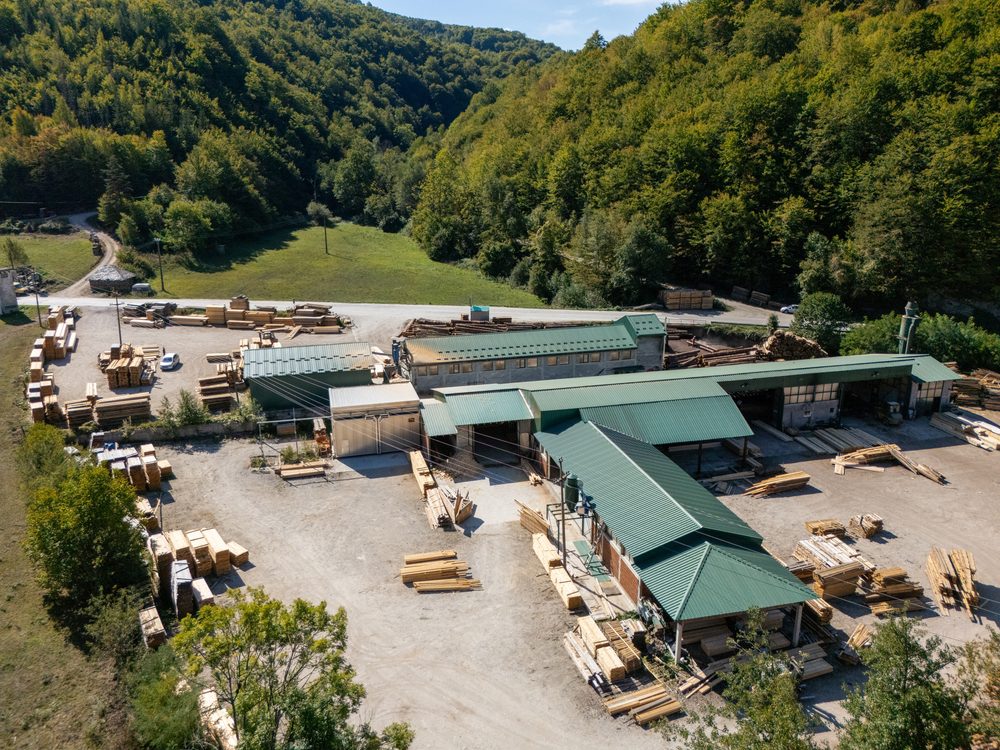
A company working on a large timber sale may spend weeks in active harvest before submitting its first invoice. Once submitted, the payment timeline depends on the buyer. Sawmills and paper mills purchasing fiber run their own accounts payable cycles, and net-30 to net-60 is standard. A logging contractor delivering to a mill under a volume purchase agreement can find itself carrying significant receivables against an ongoing cost structure that matches them in scale.
Seasonal constraints add pressure. Wet weather, road closures, and fire season can interrupt harvest schedules, creating gaps in billing that do not create gaps in overhead, and a company that cannot harvest for three weeks due to road conditions carries its equipment payments and core crew costs through the interruption regardless.
Why Conventional Credit Creates Friction
Logging and timber companies are asset-heavy, and that equipment is central to every financing conversation with a conventional lender. The challenge is that logging equipment depreciates fast, operates in demanding conditions, and carries maintenance costs that compound over time. A lender evaluating collateral value on a five-year-old feller buncher may assign a value that does not reflect the machine’s actual role in generating revenue.
Revenue in timber can be inconsistent. A company that relies on a small number of large timber sale contracts may show significant revenue in the quarters those contracts are active and lower revenue between them, and lenders underwriting against annual average earnings can misread that pattern as instability in a business running sound operations on a contract cycle.
Accounts Receivable Financing for Timber Operations
AR financing converts submitted invoices into working capital without waiting on the mill’s or buyer’s payment cycle. For a logging contractor or timber company invoicing a sawmill, a paper mill, or a lumber distributor, those account debtors tend to be established industrial buyers whose creditworthiness a financing company can assess with confidence.

The approval decision in AR financing rests on the buyer’s ability to pay rather than the timber company’s own financial profile. A contractor with a concentrated customer base and a strong delivery history can access working capital against its outstanding invoices even if its balance sheet is weighted toward depreciated equipment and retained earnings that fluctuate with contract timing.
For companies managing multiple harvest contracts with different buyers and different payment timelines, AR financing provides a consistent source of working capital tied to invoice volume rather than a fixed credit limit that may not flex with the seasonal and contractual rhythm of the business.
Invoice Factoring for Forestry and Timber Companies
Invoice factoring gives logging contractors and timber companies a way to convert outstanding invoices into cash by selling those invoices to a factoring company. Where AR financing is an advance against a receivable the business retains, factoring transfers the invoice to the factor, which collects payment from the mill, lumber yard, or wood products buyer when the invoice comes due. The timber company receives an advance on the invoice value upfront, and once the buyer pays, the factoring company remits the remaining balance minus its fee.
For forestry and timber operations, the distinction between AR financing and factoring is worth understanding before choosing a program. In a factoring arrangement, the factoring company notifies the account debtor that the invoice has been sold and that payment should go to the factor rather than the contractor. For a logging company working with a regional sawmill on a long-term supply agreement, that notification is a routine part of the transaction and raises no issues. For operations where the buyer relationship carries more sensitivity, some AR financing programs offer a non-notification structure that keeps the financing arrangement private from the customer.
Equipment Financing and Sale-Leaseback
Logging equipment represents the largest capital commitment in this industry, and managing that commitment without draining operating liquidity is a recurring challenge. Feller bunchers, skidders, processors, and log trucks all represent significant investment, and replacing or adding equipment to meet a new contract’s demands requires capital that the business may not have on hand.
Equipment financing spreads acquisition costs over time, allowing a timber company to put productive assets in the field without a single large cash outlay against the operating account. For companies that own their equipment outright, sale-leaseback arrangements convert that equipment equity into working capital while retaining full operational use of the machines. A logging contractor heading into a large harvest contract with owned equipment can unlock a portion of that asset value and apply it to mobilization costs, fuel, and crew wages while the contract’s invoices work their way through the buyer’s payment cycle.
What This Means for Forestry and Timber Companies
The financial pressure in forestry and timber is predictable. Costs run ahead of collections, equipment is expensive to own and operate, and payment timelines are set by buyers rather than by the contractor delivering the product. Alternative financing tools built around receivables and equipment address those pressures in ways that conventional credit facilities were not designed for.
Latest Blogs
-

Why AR Financing and Invoice Factoring Beat a Merchant Cash Advance for B2B Businesses
When a business needs working capital fast, a merchant cash advance can look like an easy answer. Approval is quick, funding arrives within days, and the application process asks for less documentation than a bank loan. For a B2B business that invoices other businesses on net payment terms, though, a merchant cash advance is the…
-

Industry Spotlight: Alternative Financing for General Contractors
General contractors build the projects that define communities and drive commercial development, and they do it while carrying some of the most demanding cash flow structures in any industry. A GC mobilizes crews and orders materials before the first pay application goes out, manages subcontractor payments on schedules that may not align with owner payments,…
-
Industry Spotlight: Alternative Financing for Forestry and Timber Companies
Forestry and timber operations run on long cycles, expensive equipment, and customers who pay on their own schedules. A logging crew mobilizes, harvests timber, hauls logs to a mill or landing, and delivers product against a contract or purchase order, with the costs of that work hitting the books before the buyer’s payment arrives 30…
-
Industry Spotlight: Alternative Financing for Recyclable Material Wholesalers
Recyclable material wholesalers operate in a commodity market where the timing of purchases and sales determines whether the business generates cash or consumes it. These companies buy scrap metal, cardboard, paper, plastics, and other recoverable materials from generators, including manufacturers, demolition contractors, and municipalities, and then sell those materials to processors, mills, and end-use buyers….