
Short-Term vs. Long-Term Emergency Alternative Business Funding
Key Takeaways:
- When a cash flow crisis hits, the right funding product depends on one question: How long will the problem last?
- Short-term emergency funding, including merchant cash advances, invoice factoring, and short-term loans, moves fast but costs more. It fits specific, time-limited needs.
- Long-term products like AR financing programs and business lines of credit are better suited to structural cash flow gaps that repeat month after month.
- According to the Federal Reserve’s 2025 Report on Employer Firms, 56% of small businesses sought financing to cover operating expenses in 2024. For many, that’s a recurring need, and a recurring need calls for a recurring solution.
When Short-Term Emergency Funding Makes Sense
Short-term funding is the right call when the cash gap is specific, time-limited, and tied to a single event. I might be a delayed client payment that will clear in 30 days, or you need a bridge needed to fulfill a contract before the first draw arrives.

Invoice Factoring Factoring accounts receivable is typically the fastest option for B2B businesses. A factoring company purchases your outstanding invoices and advances 70% to 90% of their value, often within 24 to 48 hours. The factoring company then collects directly from your clients, who are notified of the arrangement. It adds no debt to the balance sheet and approval centers on the creditworthiness of your clients rather than your own credit profile. The tradeoff is cost and client visibility. Fees are higher over time than AR financing, and your clients know a third party is involved.
Merchant Cash Advances For businesses with significant card revenue, a merchant cash advance can fund the same day or the next business day. Repayment comes as a percentage of daily card sales, so slower days produce smaller payments. The effective cost can be high, often well above what other products charge when calculated on an annualized basis. Best used for a specific, short-duration need where the business can absorb the daily repayment without strain.
Short-Term Business Loans Online alternative lenders offer short-term loans with approval in 24 to 72 hours, underwriting based on bank statement history and revenue trends rather than collateral. Terms typically run three to eighteen months. Rates are higher than conventional bank products. These work well when the need is a defined lump sum for a defined purpose with a clear repayment path from expected revenue.
When Long-Term Funding Is the Better Answer
If the cash flow problem shows up every month, a short-term product is a temporary patch on a permanent leak. The cost of repeatedly accessing expensive short-term capital compounds fast.
A business that invoices clients on net-60 terms will face the same timing gap this month that it faced last month. That’s a structural problem, and it calls for a structured solution.
AR Financing AR financing is a revolving credit line secured by outstanding invoices. The business draws against receivables it has already earned, covers operating costs, and repays as clients pay. The line replenishes continuously. As the business grows and issues more invoices, available credit grows with it. The arrangement is confidential; clients are never notified. For B2B businesses with creditworthy commercial customers and a persistent timing gap between delivery and payment, AR financing addresses the root cause rather than the symptom.
Business Lines of Credit A revolving line of credit from an alternative lender provides flexible ongoing access to capital without tying it to specific invoices. Draw when needed, repay, and the balance resets. For businesses with variable invoicing cycles or a mix of revenue types, a line of credit often offers more flexibility than a receivables-backed program.
The Cost of Getting It Wrong
The Federal Reserve’s 2025 Report on Employer Firms found that applicant satisfaction with online lenders dropped to 2% net satisfaction in 2024. Many of those borrowers chose speed over fit and paid for it in cost and inflexibility.
Short-term emergency products serve a purpose. So do long-term working capital solutions. The businesses that manage cash flow well over time are the ones that treat each funding decision as part of a longer financial strategy, matching the product to the actual duration and nature of the need.
Latest Blogs
-
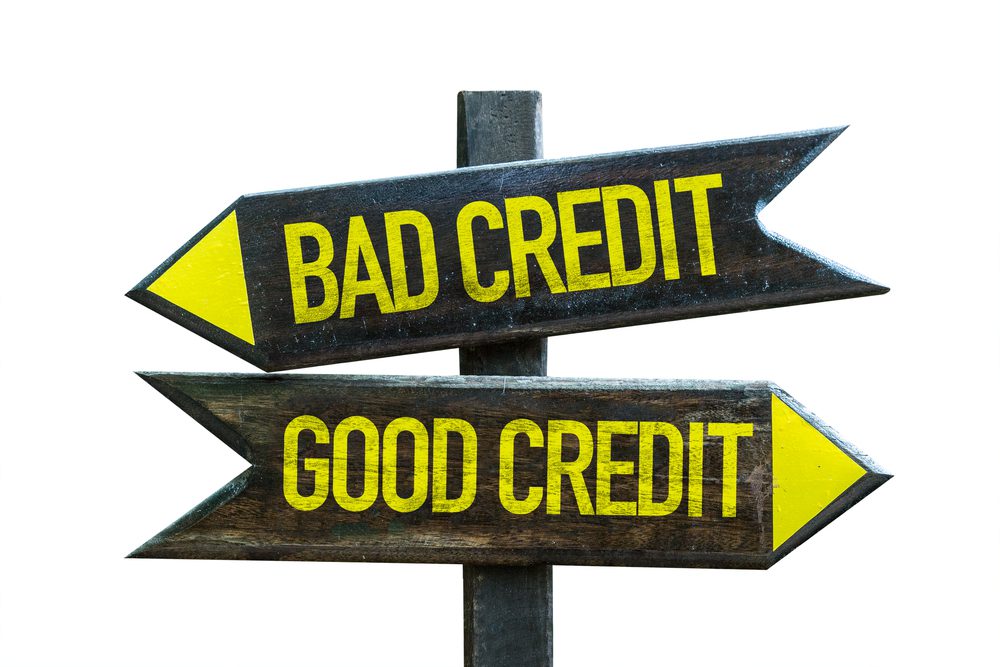
Can I Get Alternative Business Funding With Bad Credit?
A low credit score closes some doors. It does not close all of them. If you’ve been turned down for a business loan because of your credit score, you’re not alone, and you’re not out of options. According to the Federal Reserve’s 2024 Small Business Credit Survey, 29 percent of business loan applicants were denied…
-
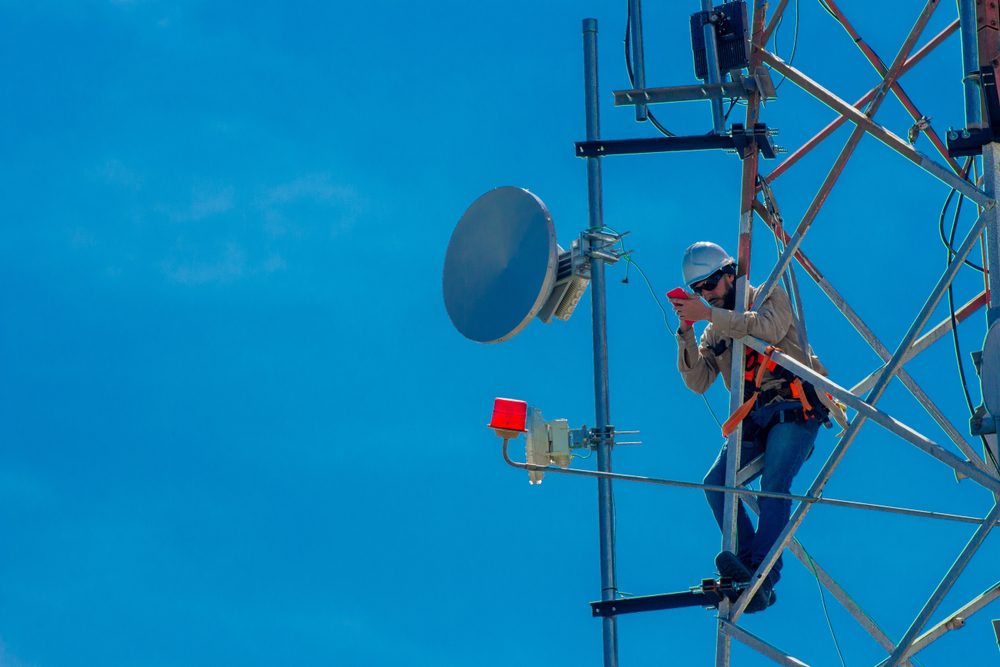
Industry Spotlight: Alternative Financing for Telecommunications Contractors
Telecommunications contractors build and maintain the infrastructure that carries voice, data, and broadband across commercial buildings, residential developments, and public networks. Tower erection, fiber optic installation, underground conduit work, distributed antenna systems, and last-mile broadband deployment all move through contractors who mobilize crews, procure materials, and begin work weeks or months before the billing cycle…
-

Industry Spotlight: Alternative Financing for Truck and Auto Parts Distributors
Truck and auto parts distributors supply the components that keep commercial fleets, repair shops, dealerships, and municipal vehicle operations on the road. OEM and aftermarket parts move from manufacturers through distributors to fleet operators, trucking companies, commercial repair facilities, and government vehicle maintenance operations, and those buyers expect fast delivery and reliable inventory availability. The…
-
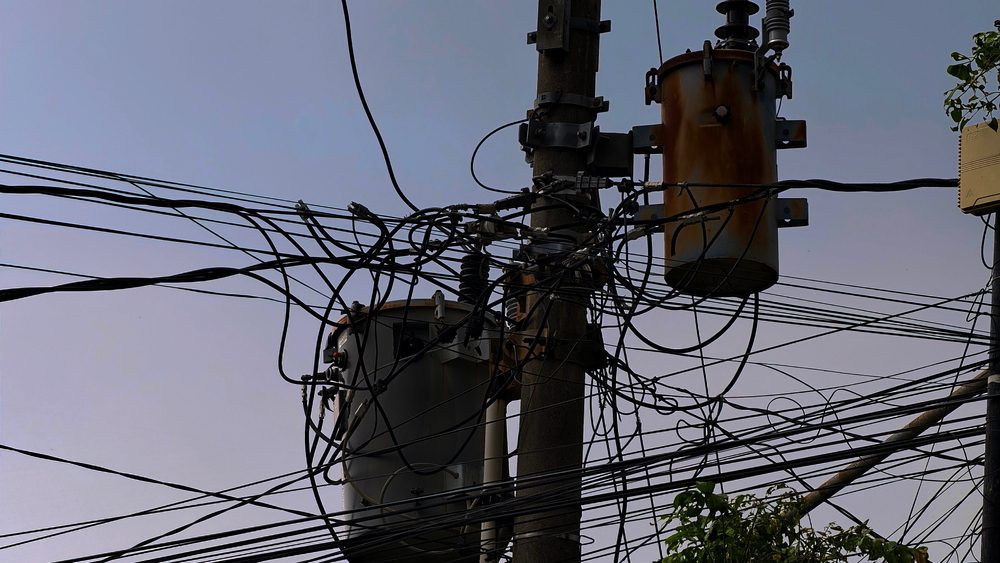
Industry Spotlight: Alternative Financing for Electrical Equipment Distributors
Electrical equipment distributors supply the components that keep construction projects moving and industrial facilities running. Switchgear, transformers, breakers, panels, wiring, conduit, motors, and lighting products move from manufacturers through distributors to electrical contractors, construction companies, industrial plants, utilities, and municipalities. The distributor sits in the middle of that supply chain, purchasing inventory from manufacturers on…