

Industry Spotlight: Alternative Financing Options for Electrical Contractors
The electrical contracting business runs on a fundamental contradiction.
The work is essential, the demand is strong, and the industry itself is growing. The U.S. electrical services market was valued at approximately $163.9 billion in 2024 and is projected to nearly double by 2034. Yet cash flow remains one of the most persistent and damaging problems in the trade.
The reason is structural. Electrical contractors, particularly those working as subcontractors on commercial projects, complete labor-intensive work and purchase expensive materials weeks or months before they collect payment.
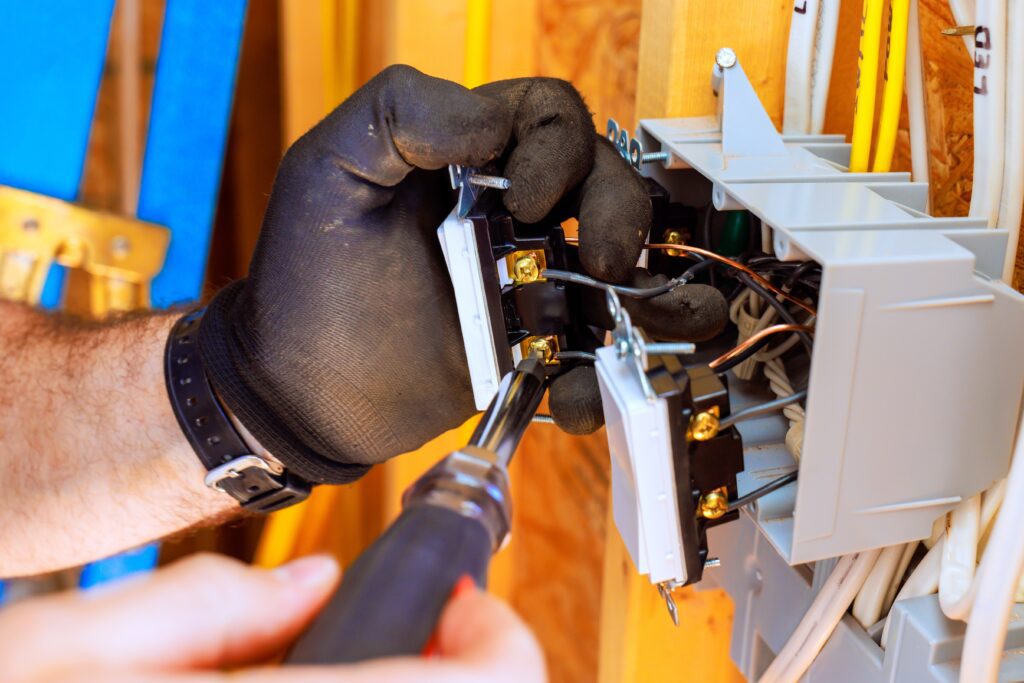
Crews often get paid every Friday. Wire, conduit, panels, and switchgear are often due on delivery. But the invoices those contractors submit to general contractors sit in a pay application queue for up to 90 days before a check.
According to a 2025 industry survey cited by Construction Dive, subcontractors waited an average of 56 days for payment even on jobs where general contractors believed they were paying within 30. Nearly half of subcontractors in the same survey said they retained half to all of their profits in the business just to fund operations, limiting their ability to grow. And 43 percent said they lacked enough working capital to cover unexpected expenses or project delays.
This is not a management failure. It is the structural reality of the industry. And it is why alternative financing has become a standard tool for electrical contractors who want to run a healthy business rather than simply a busy one.
Here is a practical look at the alternative financing options most relevant to electrical contractors, what each one does well, and where each one falls short.
Accounts Receivable (AR) Financing
AR financing is a revolving credit line secured by outstanding invoices. When an electrical contractor submits a pay application and the invoice is approved, that receivable represents money already earned but not yet collected. Rather than waiting for the check to arrive, the contractor draws against a credit line backed by those receivables, uses the capital to cover payroll and materials, and repays as the invoices clear.
As receivables grow with new jobs, the credit line grows with them.
The contractor retains ownership of the invoices and continues managing its own collections. The general contractor or project owner is never notified that a financing program is in place. As receivables grow with new jobs, the credit line grows with them.
Best for: Established commercial electrical contractors with consistent B2B invoicing from creditworthy general contractors or project owners.
Pros: Confidential structure preserves relationships with GCs and owners. Revolving payments replenish the line as invoices are paid, providing ongoing access rather than a one-time advance. Scales naturally with revenue growth. Cost-effective compared to most short-term working capital products.
Cons: Requires an established track record of commercial invoicing. Less accessible for newer firms without an invoicing history. Does not address material costs before a pay application is submitted.
Business Lines of Credit
A revolving business line of credit from an alternative lender functions similarly to AR financing but is underwritten based on the overall creditworthiness and cash flow of the business rather than specific receivables. The contractor draws what is needed, repays it, and the available credit resets.

For electrical contractors who have a mix of project types, including residential work, service calls, and smaller commercial jobs where the payment cycle is faster and more varied, a general line of credit often provides more flexibility than a facility tied to specific invoices.
Best for: Established electrical contracting businesses with diversified revenue and consistent cash flow history.
Pros: Flexible use of funds across any operational need. Pay interest only on what is drawn. Faster approval than traditional bank financing.
Cons: Credit limits may be lower than an invoice-backed program for larger contractors. Qualification depends on business credit and financial history, which can be a barrier for younger firms. Limits can be reduced at renewal if revenue has declined.
Equipment Financing
Electrical work requires a significant investment in specialized equipment. Service vans and work trucks, bucket lifts, conduit benders, cable pulling equipment, and testing instruments all represent capital that most electrical contractors can’t afford to replace from operating cash without straining the business.
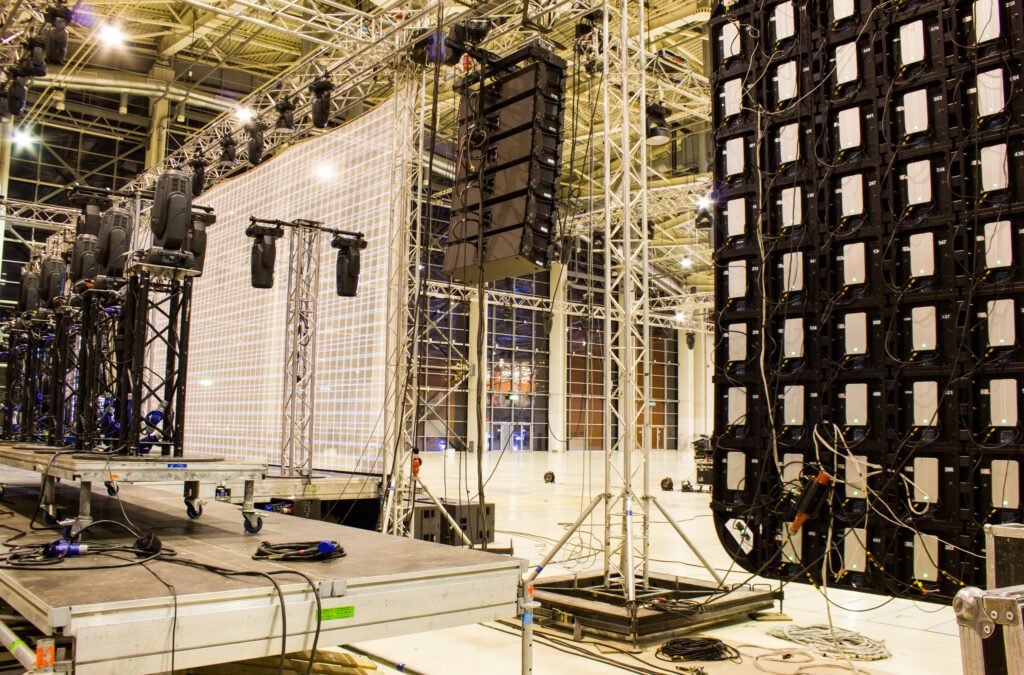
Equipment financing allows a contractor to acquire or replace these assets while spreading the cost over a defined term. The equipment itself typically serves as collateral, which simplifies underwriting relative to unsecured financing. Lease structures are also available and can offer tax advantages since lease payments are frequently deductible as a business expense.
Best for: Contractors who need to acquire, upgrade, or replace vehicles, lifts, or specialized tools without depleting working capital.
Pros: Preserves operating cash for payroll and materials. The asset secures the loan, making qualification more accessible. Lease structures offer flexibility and potential tax benefits.
Cons: The business takes on a fixed monthly obligation regardless of project volume. Equipment values depreciate, and older assets may not qualify for favorable terms.
Short-Term Working Capital Loans
Short-term loans from alternative lenders provide a lump sum of capital repaid over a period typically ranging from three to eighteen months. For an electrical contractor facing an immediate gap, such as a large material purchase needed to start a job before the first draw clears, a short-term working capital loan can bridge that specific need quickly.
Alternative lenders in this space approve applications based heavily on bank statement history and revenue trends rather than collateral or credit scores, which makes them accessible to contractors who wouldn’t qualify at a traditional bank.
Best for: Contractors who need a specific amount of capital for a defined, short-term purpose and can repay it from expected project revenue.
Pros: Fast approval, often within 24 to 48 hours. Minimal documentation compared to bank loans. Accessible to contractors with limited credit history or collateral.
Cons: Rates are considerably higher than traditional financing. Daily or weekly repayment schedules can create cash flow pressure if project draws are delayed. Should be used for specific, well-defined needs rather than as a recurring operating solution.
Purchase Order Financing
PO financing addresses the period before work begins, when a contractor has a confirmed project but needs to purchase materials before the first draw will be available. The lender pays the supplier directly for the materials, and the contractor repays once the job generates payment.
This structure is particularly useful for electrical contractors who land a significant project requiring a large upfront material commitment, such as a full panel room buildout, a commercial lighting retrofit, or a data center power installation.
Best for: Contractors who have won a job with a known scope and material requirement but lack the working capital to purchase materials before the first draw.
Pros: Allows contractors to take on larger projects without front-loading the cost. The confirmed purchase order serves as the basis for approval rather than financial history alone.
Cons: Limited to confirmed project orders with a clear scope. Costs are higher than AR financing. Lenders typically require healthy project margins and creditworthy general contractors or project owners.
What to Consider When Evaluating Options
The electrical contracting industry is not uniform. The right financing structure depends on your project mix, the creditworthiness of the parties you invoice, your equipment needs, and how predictably cash flows through your business.
Contractors doing primarily commercial work with long payment terms tend to be strong candidates for AR financing because the structure matches how their revenue actually arrives. Those with diverse project types and faster-turning residential work may find a business line of credit more flexible.
An alternative to AR financing is factoring, which is similar, but the difference is you sell your invoices outright and put the collection process in the hands of the lender.
As banks continue pulling back from lending to electrical contractors due to collateral limitations and bonding complexity, the alternative financing space has stepped in to fill that gap. The options are real, the approval timelines are far shorter than traditional banks, and the qualification criteria are built for how the construction trades actually work.
The cash flow gap in electrical contracting is structural, not a sign that something is wrong with the business. The right alternative financing option can turn that gap from a liability into something manageable.
Latest Blogs
-

Can I Get Alternative Business Funding With Bad Credit?
A low credit score closes some doors. It does not close all of them. If you’ve been turned down for a business loan because of your credit score, you’re not alone, and you’re not out of options. According to the Federal Reserve’s 2024 Small Business Credit Survey, 29 percent of business loan applicants were denied…
-

Industry Spotlight: Alternative Financing for Telecommunications Contractors
Telecommunications contractors build and maintain the infrastructure that carries voice, data, and broadband across commercial buildings, residential developments, and public networks. Tower erection, fiber optic installation, underground conduit work, distributed antenna systems, and last-mile broadband deployment all move through contractors who mobilize crews, procure materials, and begin work weeks or months before the billing cycle…
-

Industry Spotlight: Alternative Financing for Truck and Auto Parts Distributors
Truck and auto parts distributors supply the components that keep commercial fleets, repair shops, dealerships, and municipal vehicle operations on the road. OEM and aftermarket parts move from manufacturers through distributors to fleet operators, trucking companies, commercial repair facilities, and government vehicle maintenance operations, and those buyers expect fast delivery and reliable inventory availability. The…
-
Industry Spotlight: Alternative Financing for Electrical Equipment Distributors
Electrical equipment distributors supply the components that keep construction projects moving and industrial facilities running. Switchgear, transformers, breakers, panels, wiring, conduit, motors, and lighting products move from manufacturers through distributors to electrical contractors, construction companies, industrial plants, utilities, and municipalities. The distributor sits in the middle of that supply chain, purchasing inventory from manufacturers on…