
Tips for Quick Funding for Your Small Business
Cash flow gaps in small businesses often arrive without warning. Maybe a large customer pays late, a piece of equipment breaks down, or a new contract requires upfront investment before the first invoice goes out. When a business needs cash fast, the options available to it depend on the type of business, the assets it holds, and how it generates revenue. This post walks through four funding options built for speed, the conditions each one fits, and what a business needs to qualify.
Reasons for Quick Funding
The need for fast capital falls into a few recognizable categories.
A payment timing gap is a frequent situation in B2B businesses, where invoices for completed work sit unpaid for 30, 60, or 90 days while operating costs continue. Payroll, rent, and supplier payments do not wait for a customer’s accounts payable cycle.
Unexpected equipment failure can shut down operations that depend on a specific machine, vehicle, or piece of technology. Replacing or repairing that equipment on credit allows the business to resume operations without depleting cash reserves.

A growth opportunity, a new contract, a bulk inventory purchase at a discount, or an opportunity to expand into a new market, can require capital before the business has the cash on hand to fund it. Waiting through a standard bank underwriting process can mean missing the window.
Seasonal cash flow pressure affects businesses with revenue that concentrates in certain months. A business that earns a large portion of its revenue in a short season needs capital to operate through the slow months before that revenue arrives.
Eligibility Parameters
Each funding option has a distinct set of eligibility criteria, and matching the right product to the business’s situation is the first step toward a fast approval.
AR Financing and Invoice Factoring
AR financing and invoice factoring are both built around the same underlying asset, unpaid invoices owed by business customers. The structural distinction is that AR financing is an advance against invoices, while invoice factoring involves the outright sale of those invoices to a financing company. In practice, both products serve the same purpose and carry similar eligibility requirements.
Eligibility centers on the creditworthiness of the customers on the invoices rather than the business owner’s personal credit score. Invoices need to be issued to other businesses or government entities on net payment terms (net-30, net-60, and similar arrangements), and the work or delivery behind those invoices needs to be complete. A business with strong, creditworthy customers can qualify for these products even with limited operating history or a thin credit file.
Industries with strong representation in AR financing and factoring programs include trucking, staffing, construction, manufacturing, professional services, and government contracting, though the products are available across a wide range of B2B industries.
Merchant Cash Advance
A merchant cash advance provides a lump sum of capital in exchange for a percentage of future credit and debit card sales. Repayment is tied to sales volume, with the provider taking a fixed percentage of each day’s card receipts until the advance and fees are paid back.

Eligibility for a merchant cash advance is grounded in card sales history rather than invoices or credit scores. A business needs to process a minimum monthly volume of card transactions, and providers look at the consistency of that volume over recent months. Businesses in retail, food service, and consumer services with high card transaction volume are the most common users of this product.
Equipment Financing
Equipment financing provides capital for the acquisition of a specific piece of equipment, with that equipment serving as collateral for the loan or lease. Because the collateral is tied to a physical asset, lenders in this category can move faster than conventional bank lenders and can approve businesses that would not qualify for an unsecured line of credit.
Eligibility factors include the type and age of the equipment, the business’s operating history, and a basic review of financial statements. Newer equipment in good condition against an established business will qualify at better rates and faster timelines than older equipment or a startup.
Sale-leaseback arrangements, in which a business sells equipment it already owns to a financing company and leases it back, allow businesses to convert existing equipment equity into working capital without giving up use of the asset.
Required Documents
The documentation required varies by product, but a business can prepare by gathering some essential documents.
For AR financing and invoice factoring, a financing company will want copies of the invoices being submitted, documentation showing the work behind those invoices was completed, an accounts receivable aging report, and basic business information including the legal entity name and bank account details. Some providers require a list of the account debtors and information about any existing liens on receivables.
For a merchant cash advance, providers need recent bank statements covering three to six months, recent credit card processing statements covering the same period, and basic business registration documents.
For equipment financing, lenders require an invoice or quote for the equipment being financed (or documentation of existing ownership for a sale-leaseback), recent business financial statements, and business tax returns for one to two years. The lender may require information about where the equipment will be used and how it is central to the business’s operations.
Comparing Different Options
The right funding option depends on the business model, not on which product carries the lowest headline number.
AR financing and factoring are the strongest fit for B2B businesses with outstanding invoices and creditworthy customers. The advance is tied to revenue the business has already earned, which limits downside risk, and the product resolves itself when the customer pays. These products scale with invoice volume, so a growing business can access more capital as its sales increase without a formal credit review.
A merchant cash advance fits businesses with high credit card sales volume and an immediate capital need that cannot be met through invoice-based financing. The repayment structure ties to daily sales, which means payments slow when revenue slows. The trade-off is cost, since the effective APR on a merchant cash advance is higher than on other short-term financing products on this list, and the total repayment amount should be calculated before signing.

Equipment financing is the appropriate tool when the capital need is tied to a specific piece of equipment. The rates on equipment financing are lower than on merchant cash advances, and the collateral reduces the lender’s risk enough to make approval accessible to a wider range of businesses.
A business facing a general working capital shortfall that does not involve specific invoices or equipment should evaluate whether a short-term business loan or line of credit fits the need before committing to a product built around a specific asset.
Frequently Asked Questions
How fast can I get funded?
AR financing and factoring programs fund invoices within one to three business days once a program is in place and an invoice is verified. Merchant cash advances can close in one to three business days, given a complete application and consistent sales history. Equipment financing timelines vary by lender and equipment type, but straightforward transactions with established businesses can close within a week.
Will applying affect my credit score?
AR financing and factoring approvals are based on customer creditworthiness rather than the business owner’s credit profile, so these products do not require a hard credit inquiry against personal credit. Merchant cash advances and equipment financing may involve a credit check depending on the provider, and the terms of any such inquiry should be clarified before submitting an application.
Can a startup qualify?
Startups can qualify for AR financing and factoring if their customers are creditworthy and their invoices are legitimate. Equipment financing is accessible to newer businesses if the equipment serves as sufficient collateral. Merchant cash advances require a history of card sales, which limits their availability to businesses that have been operating long enough to generate consistent transaction volume.
What is the difference between AR financing and invoice factoring?
AR financing is structured as an advance against invoices, with the business retaining ownership of the receivable. Invoice factoring involves selling the invoice to the financing company, which then collects payment from the customer. In a factoring arrangement, the financing company takes on the collection responsibility, and the business’s customers are notified that payment should be directed to the factor. In an AR financing arrangement, the customer relationship and collection process can remain with the business.
What happens if my customer does not pay a factored invoice?
In a recourse factoring arrangement, the business is responsible for buying back unpaid invoices from the factor. In a non-recourse arrangement, the factor absorbs the loss if the customer fails to pay due to insolvency. Non-recourse factoring carries higher fees to account for that additional risk. The terms of any factoring agreement should be reviewed in full before signing.
Latest Blogs
-
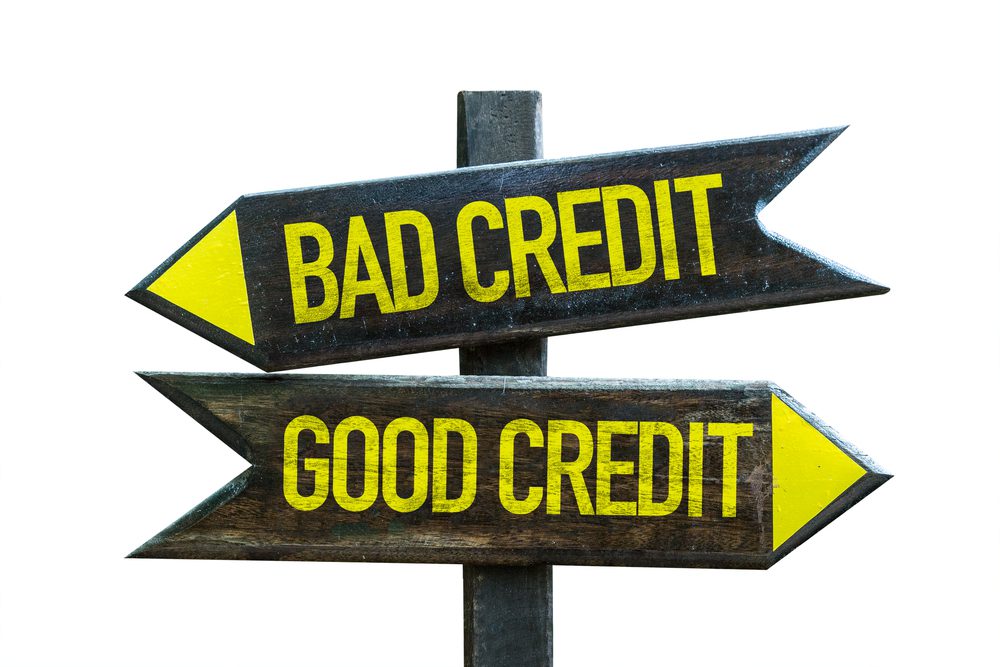
Can I Get Alternative Business Funding With Bad Credit?
A low credit score closes some doors. It does not close all of them. If you’ve been turned down for a business loan because of your credit score, you’re not alone, and you’re not out of options. According to the Federal Reserve’s 2024 Small Business Credit Survey, 29 percent of business loan applicants were denied…
-
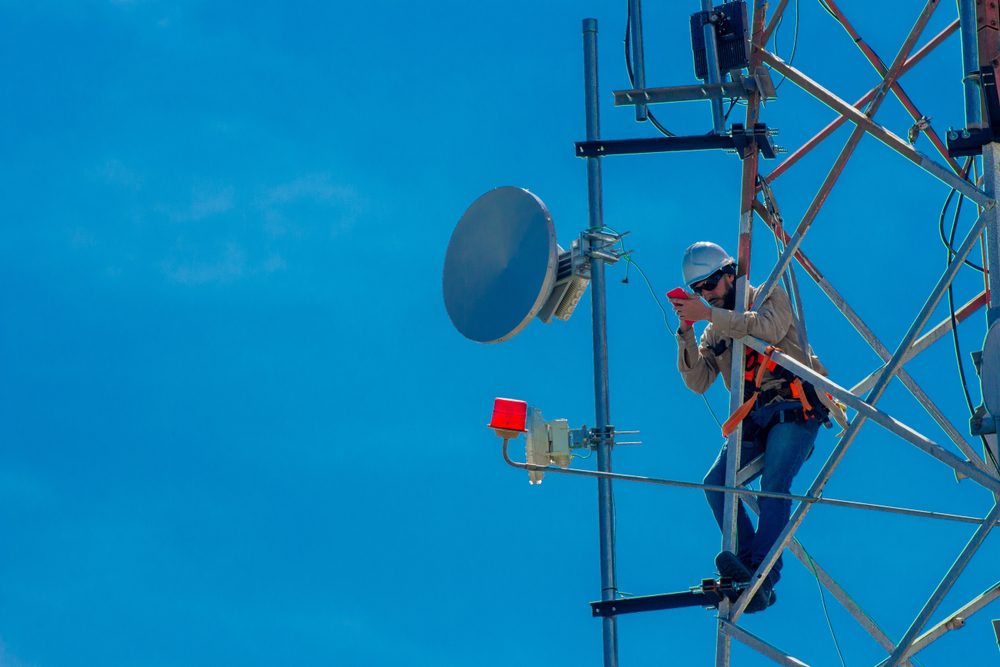
Industry Spotlight: Alternative Financing for Telecommunications Contractors
Telecommunications contractors build and maintain the infrastructure that carries voice, data, and broadband across commercial buildings, residential developments, and public networks. Tower erection, fiber optic installation, underground conduit work, distributed antenna systems, and last-mile broadband deployment all move through contractors who mobilize crews, procure materials, and begin work weeks or months before the billing cycle…
-

Industry Spotlight: Alternative Financing for Truck and Auto Parts Distributors
Truck and auto parts distributors supply the components that keep commercial fleets, repair shops, dealerships, and municipal vehicle operations on the road. OEM and aftermarket parts move from manufacturers through distributors to fleet operators, trucking companies, commercial repair facilities, and government vehicle maintenance operations, and those buyers expect fast delivery and reliable inventory availability. The…
-
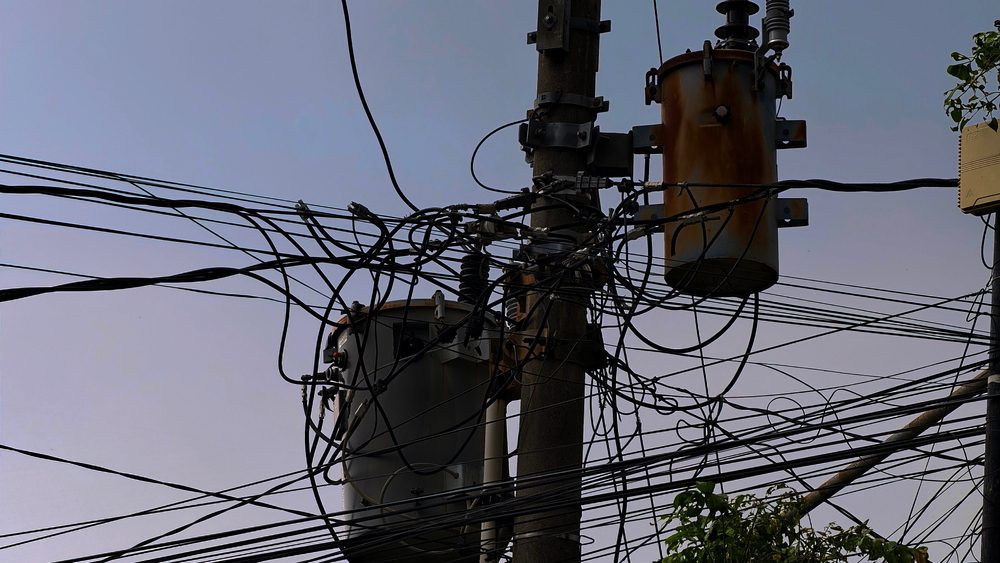
Industry Spotlight: Alternative Financing for Electrical Equipment Distributors
Electrical equipment distributors supply the components that keep construction projects moving and industrial facilities running. Switchgear, transformers, breakers, panels, wiring, conduit, motors, and lighting products move from manufacturers through distributors to electrical contractors, construction companies, industrial plants, utilities, and municipalities. The distributor sits in the middle of that supply chain, purchasing inventory from manufacturers on…