
Smart Business: Get Your SMB A Line of Credit Before You Need It
Too many small business owners find out the hard way that when economic uncertainty hits, it’s often too late to get the financing you need. The time to secure a business line of credit and build a strong banking relationship is now, while things are going relatively well.
According to the SBA’s Office of Advocacy, insufficient capital and access to cash consistently ranks among the top two reasons for small business failure in the United States. The businesses that survive and thrive are typically those that are prepared in advance.
What Is a Business Line of Credit and Why Does It Matter?
A business line of credit works differently from a traditional loan. Instead of receiving a lump sum upfront, you get access to funds that you can draw from as needed. You only pay interest or fees on the amount you actually use, making it one of the most flexible and cost-effective ways to manage cash flow.

Think of it like a financial safety net that’s always there when you need it—but costs you nothing when you don’t.
When a Line of Credit Becomes Essential
During economic downturns, recessions, or even just normal business fluctuations, you’ll likely face several challenges simultaneously:
- Sales decrease or become unpredictable
- Customers delay payments or stretch out their payment terms
- Operating expenses continue or even increase
- Unexpected costs arise when you’re least prepared for them
This is exactly when a line of credit becomes a lifeline for your business. Here’s how you can use it:
Cover payroll and essential operating expenses when customers are slow to pay their invoices. Your employees can’t wait 60 or 90 days for their paychecks, and neither can your landlord or utility companies.
Take advantage of time-sensitive opportunities despite temporary cash shortages. Maybe a supplier offers a bulk discount you can’t pass up, or a competitor’s equipment becomes available at a great price. Without available credit, you’ll have to watch these opportunities pass by.
Pivot your operations or invest in necessary changes when market conditions shift. Whether it’s adding e-commerce capabilities, upgrading technology, or adjusting your service model, these transitions require upfront investment before they generate returns.
The Critical Timing Issue: Get Credit Before You Need It
Here’s the catch that trips up many business owners: lenders tighten their standards during recessions and economic uncertainty.

When business conditions deteriorate, banks become more cautious about extending new credit or expanding existing credit lines. They look more carefully at your financials, require more documentation, and may simply say no to applications they would have approved six months earlier.
This creates a painful paradox: the time when you most need credit is exactly when it’s hardest to get.
The solution? Secure your line of credit during good times, before you urgently need it. Businesses that establish credit when they’re performing well are in a much stronger position to:
- Weather unexpected challenges without panic
- Capitalize on growth opportunities as they arise
- Avoid forced cutbacks or difficult decisions during slow periods
- Maintain operations smoothly through normal business cycles
The Value of a Strong Banking Relationship
Getting a line of credit is important, but building a genuine relationship with your bank is equally valuable, and often overlooked by small business owners.
When you work with the same bank consistently and build trust over time, that institution transforms from just a service provider into a strategic partner who understands your business. A banker who knows your industry, your business cycles, and your goals can provide support that goes far beyond basic lending.
What a strong banking relationship gives you:
Personalized financial advice and tailored solutions based on your specific situation, not generic products that might not fit your needs.
Faster approval processes for loans and credit when you need them. Your banker already understands your business and doesn’t have to start from scratch each time.
Better terms and pricing because consolidated banking activities (checking, savings, payroll, merchant services) create value for both you and the bank, which can translate into better rates and fees.
Proactive problem-solving during difficult periods. A banker who knows your business can often spot potential issues early and help you address them before they become critical.
Access to integrated financial services like payroll processing, merchant services, treasury management, and advisory tools that help you run your business more efficiently.
Strategic guidance during transitions whether you’re expanding, facing challenges, or considering major decisions. An experienced banker has seen similar situations many times and can offer valuable perspective.
How This Helps You Navigate Uncertain Times

When economic uncertainty hits—whether it’s a recession, industry disruption, or unexpected crisis—two things become essential: flexibility and speed.
A business line of credit provides the flexibility to access capital quickly without going through a lengthy loan application process each time you need funds. Your established banking relationship provides the speed and strategic support that can make the difference between surviving and thriving.
Together, these tools empower you to:
Maintain consistent cash flow even when sales fluctuate or customers pay slowly. This stability lets you focus on running your business rather than constantly worrying about making payroll.
Invest strategically in growth or operational changes without depleting your cash reserves or waiting weeks for loan approval. When you see an opportunity, you can act quickly.
Minimize the impact of unexpected disruptions whether that’s equipment failure, supply chain issues, or sudden market changes. You have options instead of feeling trapped.
Strengthen your credit profile over time by demonstrating responsible credit use and consistent banking activity. This improves your options for future financing as your business grows.
Access expert guidance during challenging times from bankers who understand your business and can help you think through difficult decisions.
Practical Steps You Should Take Now
If you haven’t already established a business line of credit, here’s what to do:
1. Start the conversation with a bank while your business is performing well. Don’t wait until you’re desperate for cash. Lenders want to see consistent revenue, reasonable credit history, and stable operations.
2. Choose a bank that values relationships, not just transactions. Community banks and credit unions often provide more personalized service and take time to understand your business, compared to large national banks with automated processes.

3. Be prepared to share your financial information. Banks will want to see tax returns, profit and loss statements, balance sheets, and cash flow projections. Having these organized demonstrates professionalism and makes approval more likely.
4. Use your line of credit occasionally, even if you don’t urgently need it. Drawing small amounts and paying them back quickly demonstrates responsible credit use and keeps the relationship active.
5. Consolidate your banking activities. When your checking, savings, payroll, and merchant services are all with the same bank, you’re a more valuable customer and the bank has better visibility into your business performance.
6. Communicate regularly with your banker. Don’t just show up when you need something. Share good news, keep them updated on your business, and ask questions. This builds the relationship over time.
Get Started
Economic uncertainty is inevitable as a small business owner. Markets fluctuate, industries evolve, and unexpected challenges arise. The businesses that survive these periods, and often emerge stronger, are those that prepared in advance.
Establishing a business line of credit and building a strong banking relationship aren’t just nice-to-have luxuries for large companies. They’re essential survival tools for SMBs operating in an unpredictable environment.
If you want to talk more about traditional and alternative options for SMB financing, contact us here at CapitalNetwork.
This post is part of our Smart Business series — practical financial guidance for small business owners navigating growth, cash flow, and everything in between.
Latest Blogs
-

Can I Get Alternative Business Funding With Bad Credit?
A low credit score closes some doors. It does not close all of them. If you’ve been turned down for a business loan because of your credit score, you’re not alone, and you’re not out of options. According to the Federal Reserve’s 2024 Small Business Credit Survey, 29 percent of business loan applicants were denied…
-
Industry Spotlight: Alternative Financing for Telecommunications Contractors
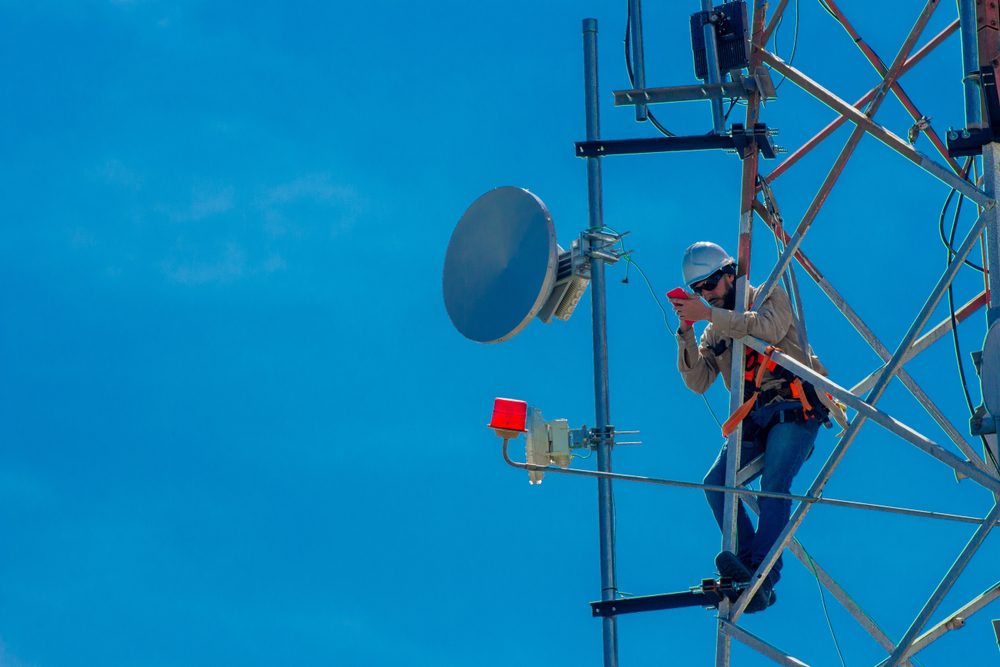
Telecommunications contractors build and maintain the infrastructure that carries voice, data, and broadband across commercial buildings, residential developments, and public networks. Tower erection, fiber optic installation, underground conduit work, distributed antenna systems, and last-mile broadband deployment all move through contractors who mobilize crews, procure materials, and begin work weeks or months before the billing cycle…
-

Industry Spotlight: Alternative Financing for Truck and Auto Parts Distributors
Truck and auto parts distributors supply the components that keep commercial fleets, repair shops, dealerships, and municipal vehicle operations on the road. OEM and aftermarket parts move from manufacturers through distributors to fleet operators, trucking companies, commercial repair facilities, and government vehicle maintenance operations, and those buyers expect fast delivery and reliable inventory availability. The…
-
Industry Spotlight: Alternative Financing for Electrical Equipment Distributors
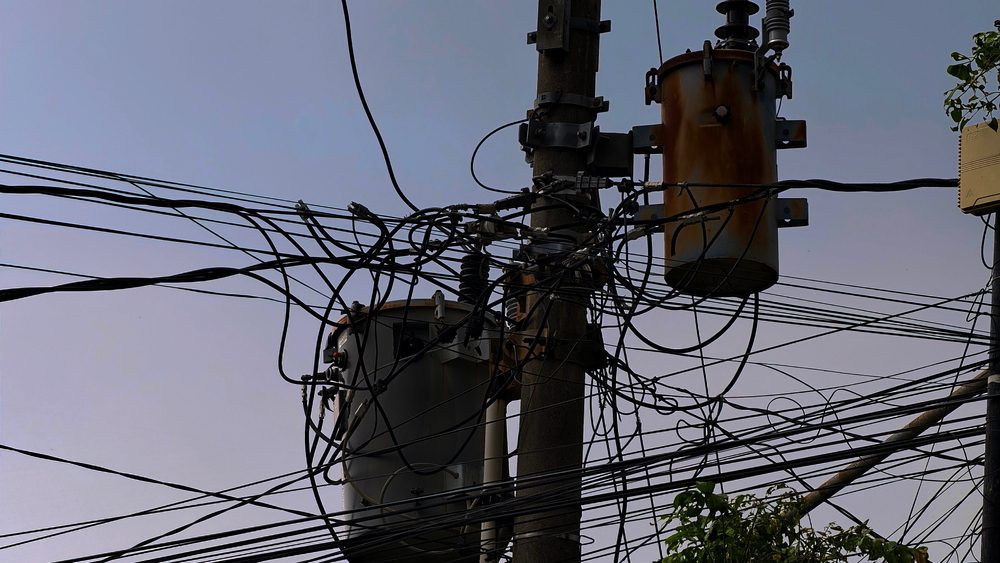
Electrical equipment distributors supply the components that keep construction projects moving and industrial facilities running. Switchgear, transformers, breakers, panels, wiring, conduit, motors, and lighting products move from manufacturers through distributors to electrical contractors, construction companies, industrial plants, utilities, and municipalities. The distributor sits in the middle of that supply chain, purchasing inventory from manufacturers on…