
Why Your Profitable Business Might Be Running Out of Cash
If you’re running a small business, here’s a reality check that might sound familiar: your income statement shows a profit, but your bank account tells a different story. You’re making money on paper, but somehow you’re still scrambling to cover payroll or pay suppliers on time.
You’re not alone—and you’re not doing anything wrong. The problem is a fundamental gap between profitability and cash flow that trips up thousands of business owners every year.
The Profit vs. Cash Flow Gap
Your financial statements might show strong net income, but that doesn’t tell you when actual money hits your bank account. Here’s how this plays out in real businesses:
The manufacturer with $500,000 in outstanding invoices looks profitable on paper, but can’t pay employees because clients haven’t paid yet.
The contractor posting record earnings is still chasing delayed project draws and progress payments, leaving bills unpaid.
The wholesaler showing healthy margins is stuck waiting 60-90 days for retailers to pay while suppliers want payment in 30 days.
The gap between when you earn money and when you receive it can create serious problems, even when your business is fundamentally successful.
How Much Cash Should You Actually Have?
Industry experts typically recommend keeping three to six months’ worth of operating expenses in cash reserves. The reality? Most small businesses fall dramatically short of this benchmark.
Here’s what the data shows about actual cash reserves for small businesses:
- The average U.S. business maintains only about 27 days of cash on hand—less than one month of expenses
- About 39% of small businesses can’t cover more than a month of expenses with current cash reserves
- Roughly half of all US SMBs may have as little as 15 days or fewer of cash available
While some top-performing companies and certain industries (like healthcare or real estate) maintain 90 to 120 days or more in reserves, most small businesses operate with much thinner safety margins.
Why This Matters for Your Business
Operating with minimal cash reserves means you’re vulnerable. A single disruption—a late payment from a major client, an unexpected equipment breakdown, or a seasonal slowdown—can force you into difficult decisions:

- Delaying payments to suppliers (damaging important relationships)
- Missing payroll or asking employees to wait for checks
- Turning down profitable opportunities because you lack the cash to fulfill them
- Seeking expensive emergency credit with unfavorable terms
- Making panic cuts to expenses that hurt long-term growth
Different industries face different cash flow realities. Restaurants and retail businesses typically operate with lower cash buffers than healthcare or real estate companies, reflecting differences in payment cycles, profit margins, and industry norms. But across the board, most businesses are operating closer to the edge than they should.
The Hidden Cost of “Just Being Profitable”
Many business owners believe that as long as they’re profitable, they’re fine. But profitability and cash flow are not the same thing:
Profitability tells you if your revenues exceed your expenses over a period of time.
Cash flow tells you whether you have actual money available when you need it.
You can be highly profitable and still run out of cash if:
- Clients pay you slowly (30, 60, or 90 days after invoicing)
- You have to pay suppliers faster than clients pay you
- You’re investing in inventory or growth ahead of sales
- You’re experiencing seasonal revenue fluctuations
- You’re scaling rapidly and expenses are outpacing collections
Working Capital Solutions: More Than Just Emergency Funding
This is where a line of credit or working capital facility becomes essential—not as an emergency measure, but as a strategic tool for managing timing gaps.
Some business owners think, “If my business is profitable, why should I borrow?” The answer is simple: cash doesn’t arrive on a smooth, predictable schedule, but your expenses sure do.
A well-structured working capital line helps you:
- Cover payroll during slow collection periods
- Take advantage of early-payment discounts from suppliers
- Stock inventory ahead of busy seasons
- Accept larger contracts without cash flow stress
- Smooth out seasonal revenue fluctuations
The key is using credit strategically to bridge timing gaps, not to cover losses or fund unprofitable operations.
What You Should Be Asking Yourself
If you want to avoid cash flow problems, start asking the right questions about your business:

How long does it take to turn sales into actual cash? Track your average collection period. If it’s stretching beyond 45-60 days, you may need to tighten credit terms or consider accounts receivable financing.
Where are the bottlenecks in your collections? Are specific clients consistently slow to pay? Is your invoicing process creating delays? Do you need to implement better follow-up systems?
Are your inventory purchases and payables mismatched with your sales cycle? If you’re buying inventory 60 days before you sell it and paying suppliers in 30 days while collecting from customers in 60 days, you’ve got a built-in cash flow problem.
Do you have access to working capital when you need it? Waiting until you’re desperate to seek credit means you’ll get worse terms and fewer options. Establish credit facilities when you don’t urgently need them.
Practical Steps to Improve Your Cash Position
1. Monitor cash flow weekly, not monthly Don’t wait until month-end to discover you’re short. Check your cash position regularly and forecast upcoming needs.
2. Speed up collections Send invoices immediately, offer early-payment discounts, follow up on overdue accounts, and consider requiring deposits for large projects.
3. Negotiate better payment terms with suppliers If you’re a reliable customer, many suppliers will extend terms or offer early-payment discounts that improve your cash position.
4. Build a cash reserve gradually Set aside a percentage of profits specifically to build your cash buffer. Even adding a few days of reserves each quarter improves your position.
5. Establish credit facilities before you need them Banks prefer to lend to businesses that don’t desperately need the money. Set up a line of credit when things are going well.
The Bottom Line
Being profitable is essential—but it’s not enough. The most successful businesses can still struggle if cash isn’t flowing when they need it.
Understanding that profitability and cash flow are partners, not twins, is crucial for long-term success. By managing the timing between when you earn money and when you receive it, you can build a business that’s not just profitable on paper but financially resilient in practice.
The businesses that thrive are those that plan for cash flow gaps, maintain appropriate reserves, and have working capital solutions in place before they desperately need them.
Latest Blogs
-
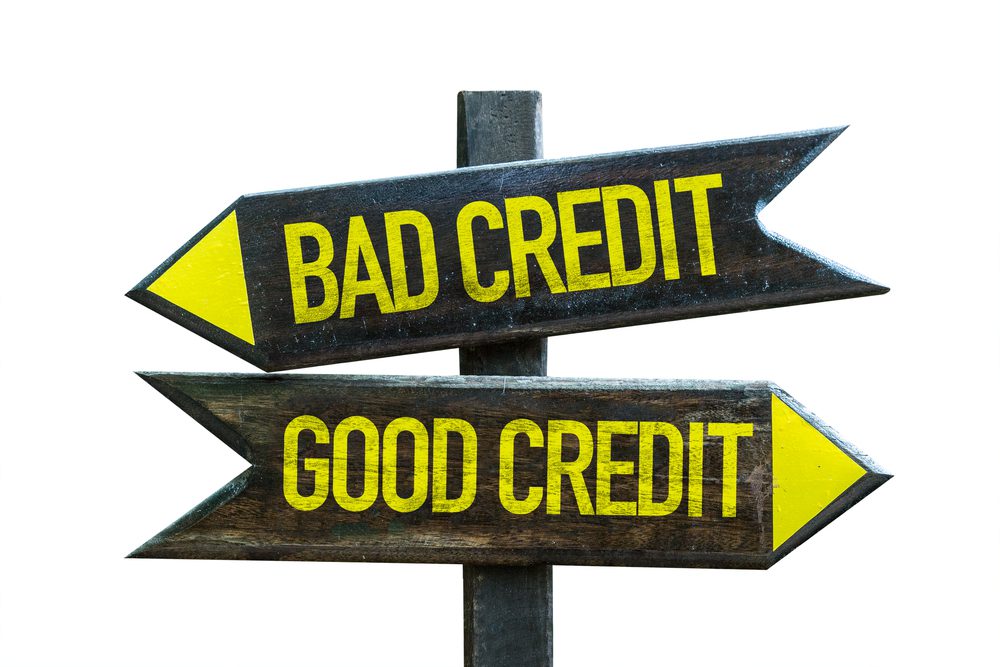
Can I Get Alternative Business Funding With Bad Credit?
A low credit score closes some doors. It does not close all of them. If you’ve been turned down for a business loan because of your credit score, you’re not alone, and you’re not out of options. According to the Federal Reserve’s 2024 Small Business Credit Survey, 29 percent of business loan applicants were denied…
-
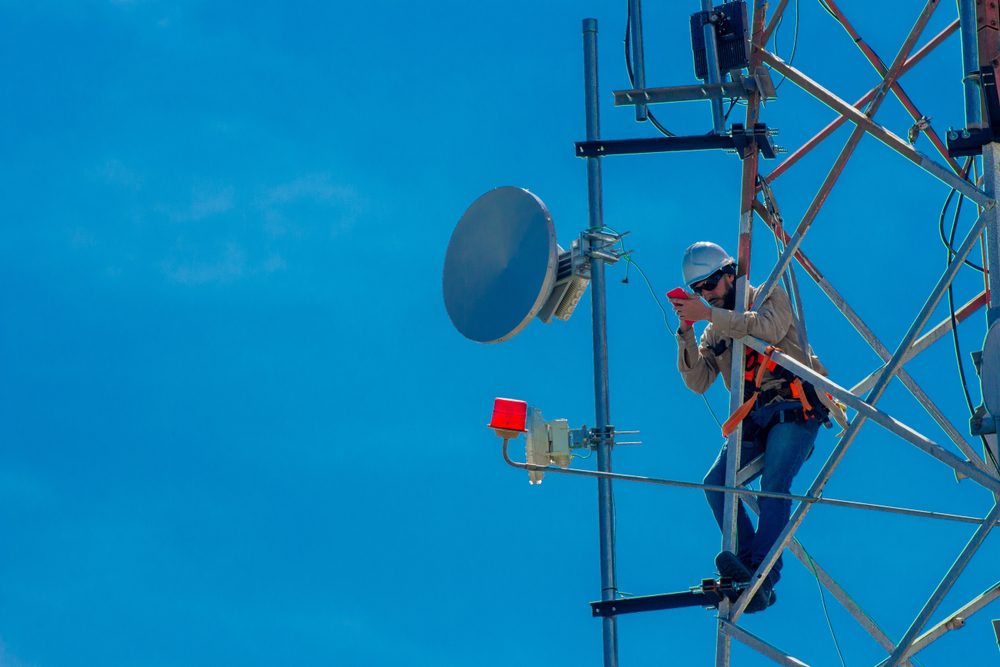
Industry Spotlight: Alternative Financing for Telecommunications Contractors
Telecommunications contractors build and maintain the infrastructure that carries voice, data, and broadband across commercial buildings, residential developments, and public networks. Tower erection, fiber optic installation, underground conduit work, distributed antenna systems, and last-mile broadband deployment all move through contractors who mobilize crews, procure materials, and begin work weeks or months before the billing cycle…
-
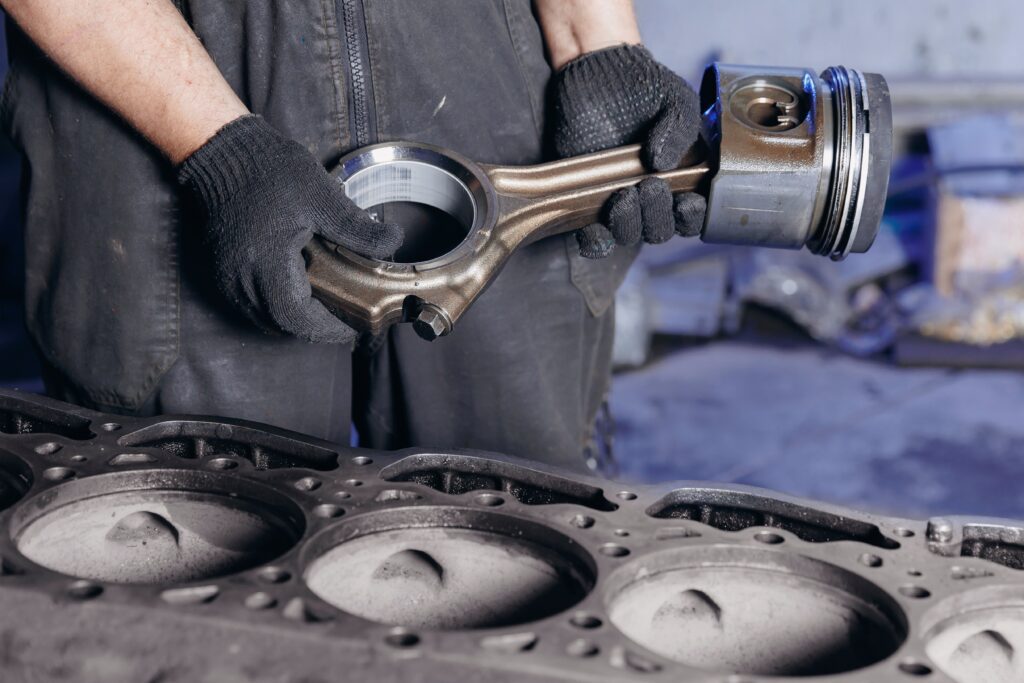
Industry Spotlight: Alternative Financing for Truck and Auto Parts Distributors
Truck and auto parts distributors supply the components that keep commercial fleets, repair shops, dealerships, and municipal vehicle operations on the road. OEM and aftermarket parts move from manufacturers through distributors to fleet operators, trucking companies, commercial repair facilities, and government vehicle maintenance operations, and those buyers expect fast delivery and reliable inventory availability. The…
-
Industry Spotlight: Alternative Financing for Electrical Equipment Distributors
Electrical equipment distributors supply the components that keep construction projects moving and industrial facilities running. Switchgear, transformers, breakers, panels, wiring, conduit, motors, and lighting products move from manufacturers through distributors to electrical contractors, construction companies, industrial plants, utilities, and municipalities. The distributor sits in the middle of that supply chain, purchasing inventory from manufacturers on…