
Industry Spotlight: Alternative Financing Options for the Apparel Industry
The U.S. apparel industry runs on timing. Collections are designed months before they hit the floor. Retailers place large orders and then take from one to three months to pay. Fabric and production costs are due long before revenue arrives. For brands at every level, from a growing wholesale operation to an independent designer landing their first major retail account, cash flow is a defining operational challenge.
Traditional bank loans were never designed for this rhythm. The apparel business moves faster than a bank’s underwriting process, and many smaller brands don’t carry the long credit histories or fixed assets that conventional lenders prefer. That’s why alternative financing has become standard practice in fashion, not a last resort. Here’s a practical look at the main alternative funding options, their strengths, and where each one falls short.
Accounts Receivable Financing

AR financing is a revolving credit line secured by your outstanding invoices. Rather than waiting weeks for a customer to pay, you draw against a credit line backed by those receivables, use the capital for production or operations, and repay as the invoices clear. You retain ownership of your invoices and continue managing your own collections, while the lender holds the receivables as collateral.
Best for: Established wholesale brands, manufacturers, and distributors with consistent B2B invoicing from creditworthy retail clients.
Pros: Confidential, clients aren’t notified. Revolving structure means capacity replenishes as invoices are paid. Cost-effective relative to other alternative financing tools. Scales with revenue growth.
Cons: Requires an established track record and solid agency credit profile. Less accessible for newer brands without an invoicing history. Not designed to cover pre-shipment costs like raw materials or production.
Purchase Order Financing

Purchase order (PO) financing addresses a different moment in the apparel cycle, before goods are produced. PO financing is a short-term funding solution that helps businesses fulfill large customer orders when they lack the necessary working capital. In the apparel industry, it enables brands to pay their suppliers upfront for raw materials or finished goods, based on confirmed purchase orders from retailers or customers.
The lender pays your supplier directly. Once goods are delivered and the customer pays their invoice, the lender is repaid from those proceeds. Lenders can provide up to 100% of the funds required to purchase materials or pay suppliers for large orders.
Best for: Growing brands that have landed significant retail orders but lack the working capital to fund production. Particularly valuable for brands with large, time-sensitive orders from major retailers.
Pros: Lets you say yes to big orders you couldn’t otherwise fulfill. No equity dilution. Fast relative to traditional lending because funds can reach suppliers within days. Flexibility to finance multiple purchase orders simultaneously.
Cons: PO financing is limited to confirmed customer orders and is not suitable for financing speculative inventory without a confirmed buyer. Costs can be higher than AR financing. Lenders generally require healthy margins (often 20% or more) and creditworthy buyers.
Inventory Financing
Inventory financing uses existing or incoming inventory as collateral for a loan or credit line. It’s a useful tool for retailers and brands that need to stock up ahead of a season without tying up all available cash.
Best for: Retail brands with established inventory cycles and predictable sell-through rates.
Pros: Preserves working capital for other expenses. The inventory itself secures the loan, reducing the need for other collateral. Can be structured as a revolving facility.
Cons: Lenders discount inventory value significantly, often advancing only 50–60% of cost. Slow-moving or unsold inventory can create problems at renewal. Less useful for brands with unpredictable demand or high fashion risk.
Business Lines of Credit
A revolving business line of credit from an online or alternative lender functions similarly to AR financing but is based on overall business creditworthiness rather than specific receivables. You draw what you need, repay it, and the capacity resets.
Best for: Established businesses that need flexible access to working capital for a range of operational expenses but are not tied to a single invoice or order.
Pros: Flexible use of funds. Faster approval than traditional bank lines. Revolving structure provides ongoing access rather than a one-time disbursement.
Cons: Interest rates from alternative lenders can vary significantly. Credit limits may be lower than asset-based facilities. Approval depends on business credit and revenue history.
Revenue-Based Financing
Revenue-based financing advances capital in exchange for a fixed percentage of future monthly revenue until a set repayment amount is reached. It’s gained traction with DTC apparel brands and e-commerce businesses that have consistent monthly sales data but limited hard assets.
Best for: Direct-to-consumer brands with stable, measurable online revenue.
Pros: Repayments flex with revenue — slower months mean smaller payments. No equity given up. No fixed repayment schedule.
Cons: Effective cost can be high, especially when expressed as an APR. Not well-suited for wholesale or B2B brands where revenue is lumpy or seasonal.
Matching the Tool to the Moment

The most successful apparel businesses don’t think of these options as competing, they use them in combination, matched to where capital is needed in the production and sales cycle. PO financing and AR financing work in tandem: PO financing provides the upfront capital needed to fulfill orders, while AR financing steps in once goods are shipped to unlock the value of outstanding invoices and fund ongoing operations.
The key is not waiting until a crisis forces your hand. Effective cash flow management means strategic planning, regular cash flow forecasting, and proactive decision-making to ensure your business remains resilient and ready for growth. Establishing financing relationships before you urgently need them means better terms, faster access, and more negotiating leverage.
The apparel industry in the U.S. is competitive, fast-moving, and unforgiving of cash flow missteps. The right alternative financing deployed at the right moment creates the capacity to grow your small apparel business into a powerhouse brand.
If you need more information on alternative financing options for your apparel business, or any SMB, contact us. We’re here to help.
Latest Blogs
-
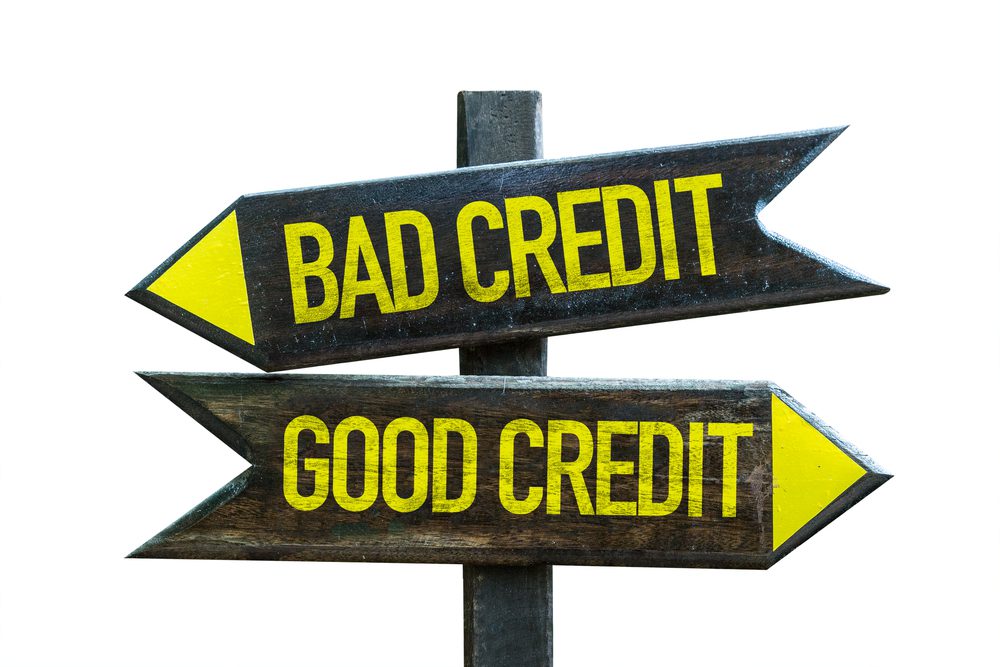
Can I Get Alternative Business Funding With Bad Credit?
A low credit score closes some doors. It does not close all of them. If you’ve been turned down for a business loan because of your credit score, you’re not alone, and you’re not out of options. According to the Federal Reserve’s 2024 Small Business Credit Survey, 29 percent of business loan applicants were denied…
-
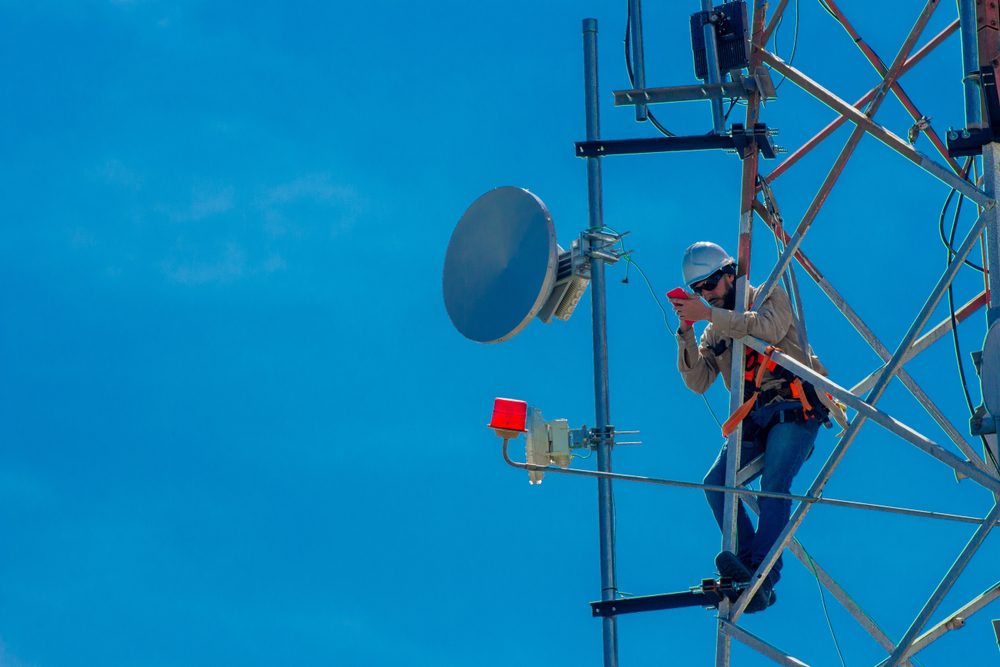
Industry Spotlight: Alternative Financing for Telecommunications Contractors
Telecommunications contractors build and maintain the infrastructure that carries voice, data, and broadband across commercial buildings, residential developments, and public networks. Tower erection, fiber optic installation, underground conduit work, distributed antenna systems, and last-mile broadband deployment all move through contractors who mobilize crews, procure materials, and begin work weeks or months before the billing cycle…
-
Industry Spotlight: Alternative Financing for Truck and Auto Parts Distributors
Truck and auto parts distributors supply the components that keep commercial fleets, repair shops, dealerships, and municipal vehicle operations on the road. OEM and aftermarket parts move from manufacturers through distributors to fleet operators, trucking companies, commercial repair facilities, and government vehicle maintenance operations, and those buyers expect fast delivery and reliable inventory availability. The…
-
Industry Spotlight: Alternative Financing for Electrical Equipment Distributors
Electrical equipment distributors supply the components that keep construction projects moving and industrial facilities running. Switchgear, transformers, breakers, panels, wiring, conduit, motors, and lighting products move from manufacturers through distributors to electrical contractors, construction companies, industrial plants, utilities, and municipalities. The distributor sits in the middle of that supply chain, purchasing inventory from manufacturers on…