
What Is the Fastest Way to Get Business Funding?
 Takeaways:
- When speed is the priority, factoring is usually the fastest funding option available, with some approvals happening the same day and funding arriving within 24 to 48 hours.
- Speed almost always comes with a cost tradeoff. The fastest products carry higher rates than slower, more conventional options.
- Matching the right product to your situation matters as much as your timeline. The fastest option for one business may be the wrong option for another.
- Having documentation ready before you apply is the most controllable factor in how quickly you get funded.
When a business needs capital fast, the question that most business owners have is which option moves quickest for my specific situation, and what that speed is going to cost me. The answers are different depending on how your business generates revenue, what you have to offer as collateral, and how much you need.
Here is a look at the fastest business funding options available and what each one actually involves.
Invoice Factoring: Often the Fastest for B2B Businesses
For businesses that invoice other businesses, factoring is frequently the fastest path to cash. A factoring company purchases your outstanding invoices outright, advances you a percentage of their face value, typically 70% to 90%, and then collects directly from your clients.
The approval process focuses on the creditworthiness of your clients, not your own credit score. That makes it accessible for newer businesses or those with limited credit history. Once an account is set up and invoices are verified, advances can be processed the same day invoices are submitted.
The tradeoff is transparency with your clients. When you factor invoices, your clients receive payment instructions from the factoring company, not from you. They know a third party is involved. For businesses where client relationships are sensitive or long-term, that visibility can be a drawback worth weighing.
Factoring fees vary based on invoice volume and client payment behavior, but costs are generally higher than AR financing over time.
Online Business Lines of Credit: Fast and Flexible
Several alternative online lenders offer business lines of credit with same-day approval decisions and funding within one to three business days. Underwriting focuses on bank statement history and revenue trends rather than collateral, which makes approval faster than conventional bank products.

A line of credit is more flexible than a lump-sum advance. You draw what you need, repay it, and the balance resets. For businesses facing a recurring or unpredictable cash flow gap rather than a one-time need, the revolving structure is often more useful than a single advance.
Rates are higher than bank credit but generally lower than merchant cash advances. Qualification typically requires at least six months in business and a minimum monthly revenue threshold.
AR Financing: Fast Ongoing Access for B2B Businesses
AR financing is not always the fastest option for an initial setup, since establishing the program involves an initial review of your client base and invoicing history. Once the program is in place, however, access to funds is ongoing and draws can be processed quickly as new invoices are issued.
Unlike factoring, the arrangement stays confidential. Clients never know the program exists. The business retains its invoices and manages its own collections. That distinction matters for businesses where client relationships are a priority.
For businesses with consistent B2B invoicing, AR financing tends to be more cost-effective than factoring over time, even if the initial setup takes slightly longer.
Many business owners use AR financing through their existing community bank, which strengthens their relationship with their banker.
What Slows Down Funding
Regardless of which product you pursue, incomplete documentation is the most common reason funding takes longer than it should. Lenders need to see bank statements, basic business information, and in some cases tax returns before they can approve and fund.
According to the Federal Reserve’s 2025 Report on Employer Firms, disorganized or incomplete financials are among the most common factors that stall or reduce funding applications. Having your last three to six months of bank statements, a current profit and loss statement, and a clear explanation of how funds will be used ready before you apply removes friction from the process and speeds up the timeline on any product.
Speed vs. Cost: The Tradeoff
The fastest funding options consistently carry the highest costs. Lenders who move faster take on more risk, and they price that risk accordingly.
Determining which option is fast enough for your situation while still being financially manageable is key.
If your need is urgent, factoring. If you have a few days and consistent invoicing, AR financing or a line of credit will typically cost you less for the same access to capital.
Latest Blogs
-
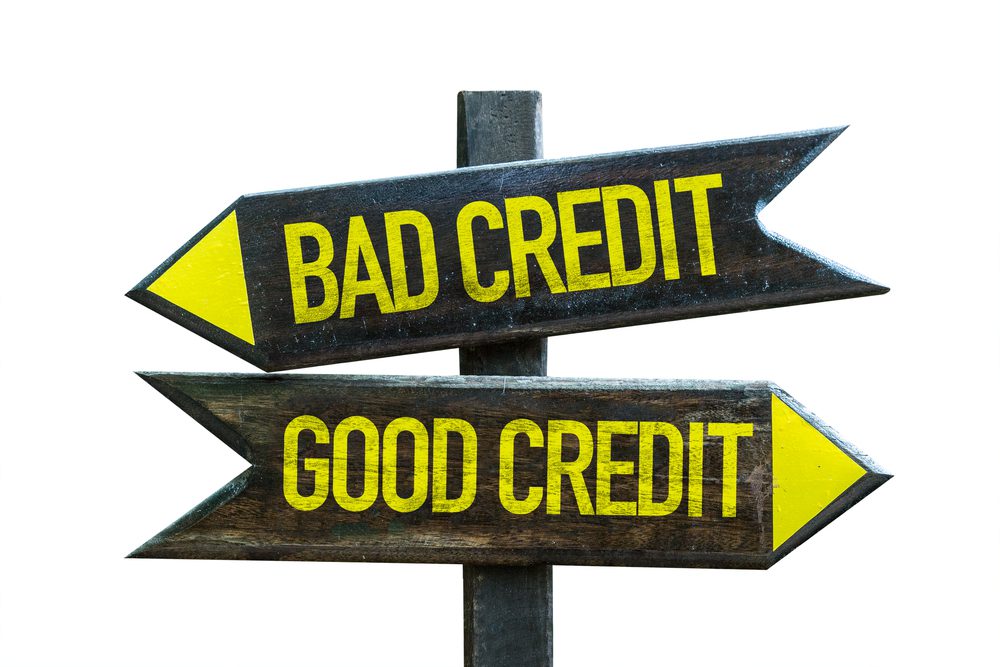
Can I Get Alternative Business Funding With Bad Credit?
A low credit score closes some doors. It does not close all of them. If you’ve been turned down for a business loan because of your credit score, you’re not alone, and you’re not out of options. According to the Federal Reserve’s 2024 Small Business Credit Survey, 29 percent of business loan applicants were denied…
-

Industry Spotlight: Alternative Financing for Telecommunications Contractors
Telecommunications contractors build and maintain the infrastructure that carries voice, data, and broadband across commercial buildings, residential developments, and public networks. Tower erection, fiber optic installation, underground conduit work, distributed antenna systems, and last-mile broadband deployment all move through contractors who mobilize crews, procure materials, and begin work weeks or months before the billing cycle…
-

Industry Spotlight: Alternative Financing for Truck and Auto Parts Distributors
Truck and auto parts distributors supply the components that keep commercial fleets, repair shops, dealerships, and municipal vehicle operations on the road. OEM and aftermarket parts move from manufacturers through distributors to fleet operators, trucking companies, commercial repair facilities, and government vehicle maintenance operations, and those buyers expect fast delivery and reliable inventory availability. The…
-
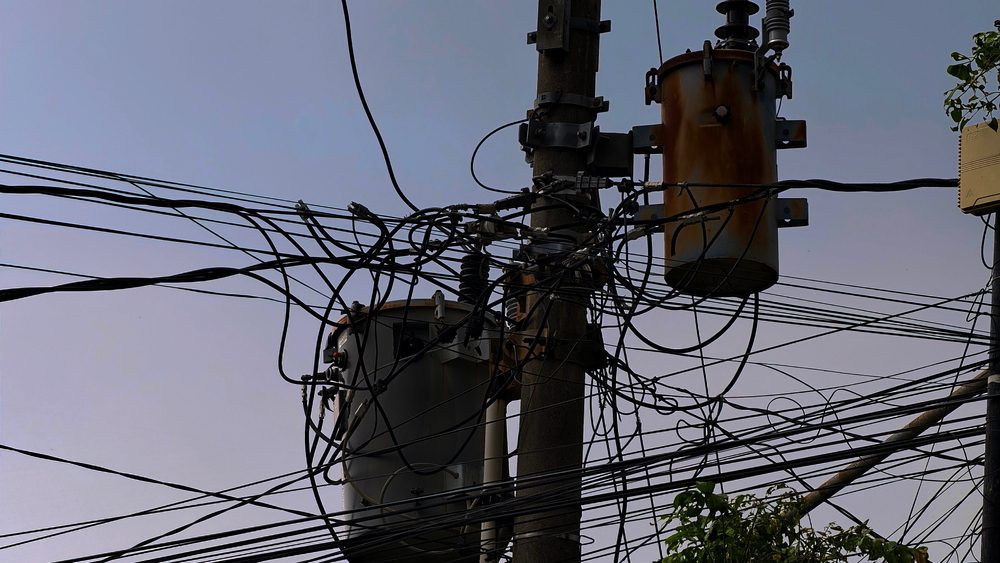
Industry Spotlight: Alternative Financing for Electrical Equipment Distributors
Electrical equipment distributors supply the components that keep construction projects moving and industrial facilities running. Switchgear, transformers, breakers, panels, wiring, conduit, motors, and lighting products move from manufacturers through distributors to electrical contractors, construction companies, industrial plants, utilities, and municipalities. The distributor sits in the middle of that supply chain, purchasing inventory from manufacturers on…