
Industry Spotlight: Alternative Financing for Truck and Auto Parts Distributors
Truck and auto parts distributors supply the components that keep commercial fleets, repair shops, dealerships, and municipal vehicle operations on the road. OEM and aftermarket parts move from manufacturers through distributors to fleet operators, trucking companies, commercial repair facilities, and government vehicle maintenance operations, and those buyers expect fast delivery and reliable inventory availability.
The distributor carries the inventory cost, fills the order, delivers or ships, and then waits on the buyer’s accounts payable cycle to collect. In a business where inventory has to be stocked before demand materializes and commercial buyers pay on net-30 to net-60 terms, the gap between capital committed and capital collected is a constant feature of the operation.

The Inventory and Billing Cycle
Parts distribution is an availability business. A fleet operator calling for a transmission seal or a brake component needs that part in hand before the truck comes out of service. A commercial repair shop pulling a job does not have time to wait on a back-ordered part. The distributor that can fill the order wins the account. The distributor that cannot loses it to whoever can.
Meeting that availability standard requires carrying broad, deep inventory across a large number of SKUs, and that inventory is purchased from manufacturers and OEMs before a single order comes in. When the order does come in, it is filled from stock, invoiced to the commercial account, and delivered. The commercial buyer, whether a regional trucking company, a municipal fleet department, or a dealership service department, processes the invoice through their accounts payable cycle on net-30 to net-60 schedules.
The combination of pre-purchasing inventory to maintain availability and collecting 30 to 60 days after the sale creates a working capital requirement that scales with sales volume. A distributor growing its fleet account base is adding inventory commitment faster than it is adding collections, and the gap between the two widens with every new account brought on.
Invoice Factoring for Parts Distributors
Invoice factoring converts commercial account invoices into working capital by selling those receivables to a factoring company. A parts distributor that has filled a fleet operator’s order, submitted the invoice, and is waiting on the trucking company’s billing cycle to clear can receive an advance from the factoring company within days. The factoring company collects from the fleet operator, repair shop, or municipal buyer when payment comes due and returns the remaining balance minus its fee.

The commercial buyer base in parts distribution is creditworthy. Regional trucking companies, national fleet operators, dealership service departments, and municipal vehicle maintenance operations are established account debtors whose payment histories and financial positions a factoring company can evaluate with confidence. A parts distributor whose accounts include those kinds of buyers can access factoring based on the strength of that account base rather than on its own balance sheet, which is useful when equity is tied up in inventory rather than cash.
For distributors managing high order volumes with invoices going out daily across a large commercial account base, factoring creates a cash conversion cycle that puts money back into inventory purchasing on a timeline driven by sales rather than collections.
AR Financing and the Stock Position
AR financing gives parts distributors an alternative path to working capital that keeps the receivable on the distributor’s books. The distributor advances against outstanding commercial invoices, receives the capital needed to maintain or replenish inventory, and repays the advance when the buyer pays. For distributors with established fleet account relationships and predictable monthly billing volume, AR financing provides a facility that scales with account growth without requiring a formal credit review each time sales volume increases.
The inventory management application is direct. A distributor that needs to place a restocking order with a parts manufacturer before prior sales have collected can advance against outstanding invoices to fund that purchase rather than drawing down cash reserves or deferring the order. Keeping the stock position intact protects the availability standard that fleet accounts depend on, and AR financing gives the distributor the capital to do that without waiting on payment timing to dictate purchasing decisions.

Delivery Fleet Financing
Parts distributors run delivery vehicles to serve accounts that need parts brought to their location rather than picked up at the counter. Those vehicles wear out in a delivery environment and require periodic replacement. Equipment financing spreads those acquisition costs over time, and sale-leaseback arrangements on owned delivery vehicles convert fleet equity into working capital while the trucks stay on the route.
For a distributor adding delivery capacity to serve a new geographic territory or a new fleet account cluster, equipment financing provides a path to that investment without competing with the capital needed to maintain inventory depth.
The Availability Problem Is a Financing Problem
A parts distributor that runs out of a critical component because cash was not available to restock it is a distributor that loses a fleet account. The availability promise that wins commercial business in the first place depends on maintaining inventory, and maintaining inventory depends on having capital available before the next order arrives. Factoring and AR financing give parts distributors a way to fund that availability standard without depending on collections timing to determine when the next purchasing order can go in.
CapitalNetwork works with parts distributors and industrial supply businesses to identify the financing structure that matches the inventory cycle, the account mix, and the order volume of the operation. If fleet account growth is outrunning the cash available to stock for it, that is where the conversation starts.
Latest Blogs
-

Can I Get Alternative Business Funding With Bad Credit?
A low credit score closes some doors. It does not close all of them. If you’ve been turned down for a business loan because of your credit score, you’re not alone, and you’re not out of options. According to the Federal Reserve’s 2024 Small Business Credit Survey, 29 percent of business loan applicants were denied…
-
Industry Spotlight: Alternative Financing for Telecommunications Contractors
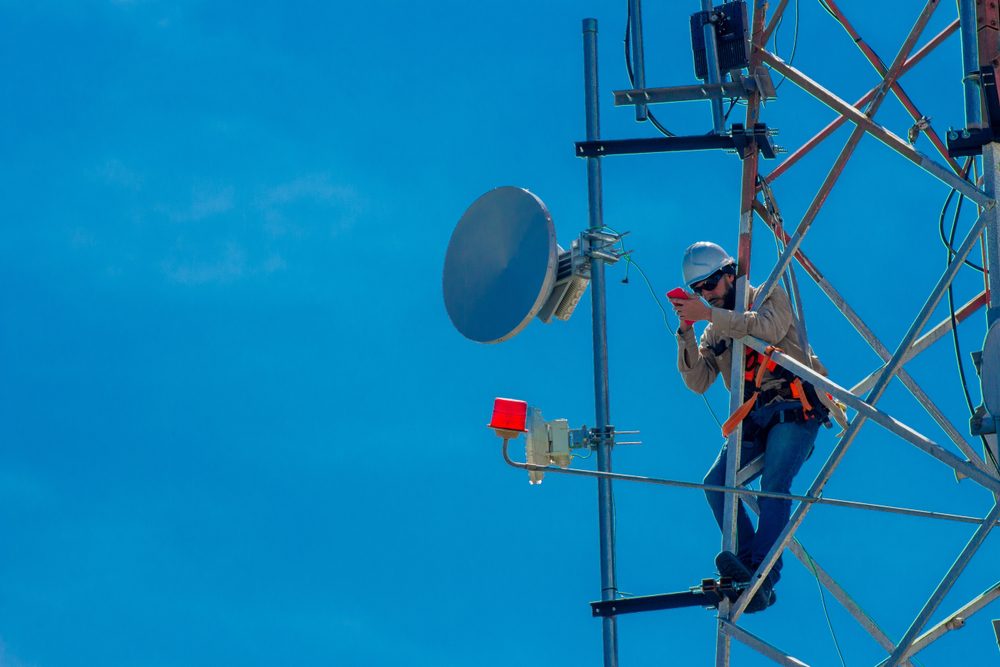
Telecommunications contractors build and maintain the infrastructure that carries voice, data, and broadband across commercial buildings, residential developments, and public networks. Tower erection, fiber optic installation, underground conduit work, distributed antenna systems, and last-mile broadband deployment all move through contractors who mobilize crews, procure materials, and begin work weeks or months before the billing cycle…
-
Industry Spotlight: Alternative Financing for Truck and Auto Parts Distributors
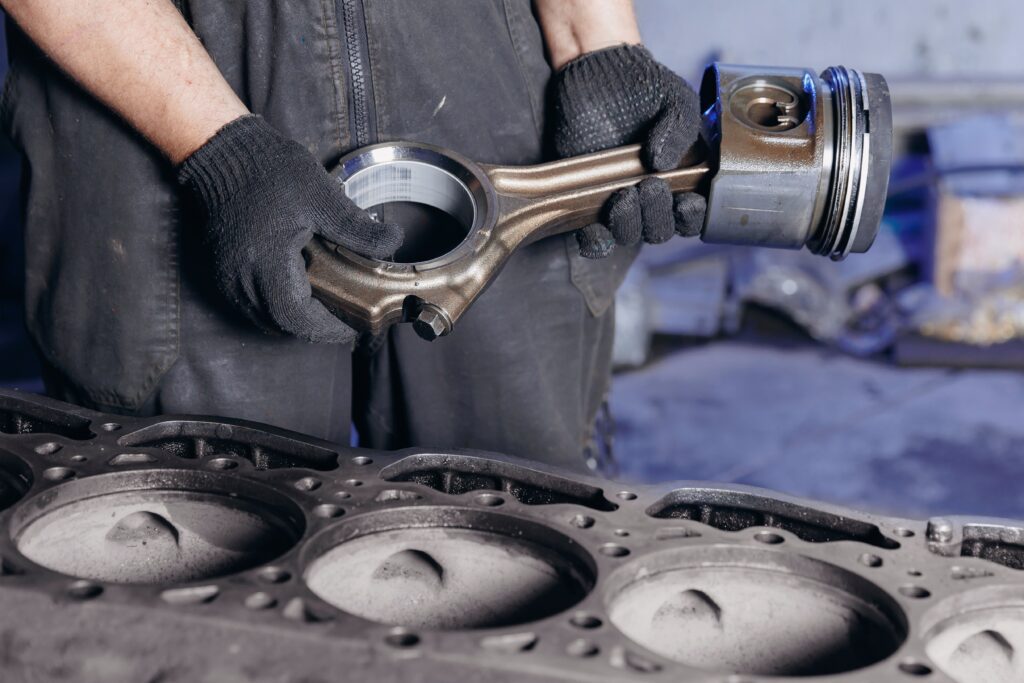
Truck and auto parts distributors supply the components that keep commercial fleets, repair shops, dealerships, and municipal vehicle operations on the road. OEM and aftermarket parts move from manufacturers through distributors to fleet operators, trucking companies, commercial repair facilities, and government vehicle maintenance operations, and those buyers expect fast delivery and reliable inventory availability. The…
-
Industry Spotlight: Alternative Financing for Electrical Equipment Distributors
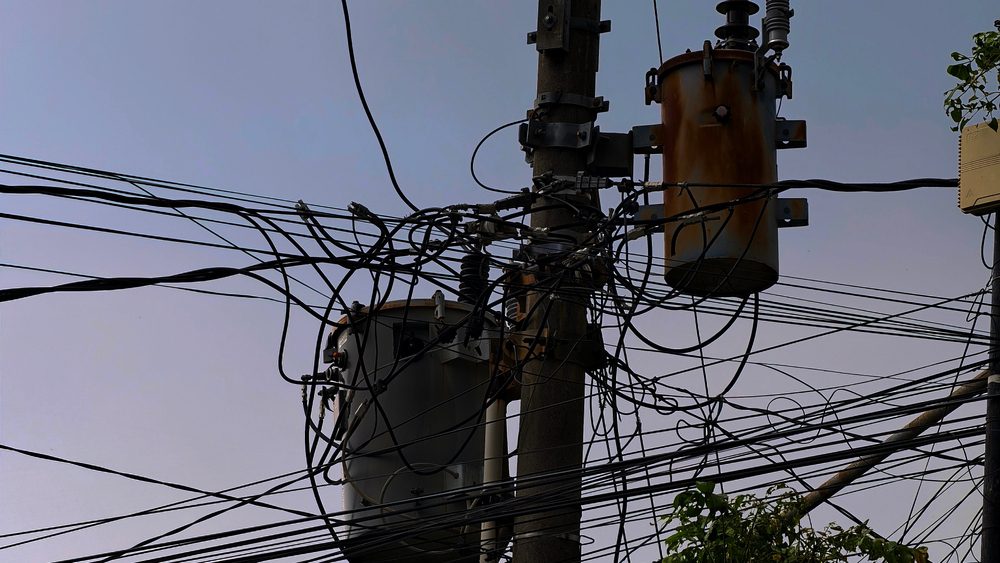
Electrical equipment distributors supply the components that keep construction projects moving and industrial facilities running. Switchgear, transformers, breakers, panels, wiring, conduit, motors, and lighting products move from manufacturers through distributors to electrical contractors, construction companies, industrial plants, utilities, and municipalities. The distributor sits in the middle of that supply chain, purchasing inventory from manufacturers on…