

Industry Spotlight: Alternative Financing for Landscape Services Companies
Landscape services companies face a financing challenge that comes with the territory. The work is seasonal, the payroll is weekly, the equipment is expensive to buy and maintain, and the commercial clients that anchor the most stable revenue streams often pay on 30- to 60-day cycles.
A landscape contractor can find itself cash-tight in ways that have nothing to do with the health of the business, and conventional credit products do not address the root of that problem.
Why Conventional Credit Falls Short
A landscape services company’s balance sheet can look thin relative to the revenue the business generates. Equipment depreciates, retained earnings in a seasonal business can swing from year to year, and the company’s primary assets are its client contracts and its crews, not the fixed collateral that conventional lenders prefer.

A business with a solid roster of commercial property management clients and a full crew schedule can find that its borrowing base does not reflect the actual earning capacity sitting in its contract book. The credit line, if the company has one, may be sized for the slow season and insufficient for the growth the business is capable of handling during peak months.
Accounts Receivable Financing for Landscape Contractors
AR financing converts outstanding commercial invoices into working capital without waiting on the client’s payment schedule. For a landscape company billing property management firms, corporate real estate accounts, or municipal clients, the creditworthiness of those account debtors is a significant asset. These are established, reliable payers, and the payment obligation on their invoices is what supports the AR financing advance.
A contractor carrying $150,000 in outstanding invoices across a dozen commercial accounts can access a large portion of that value within days rather than at the end of the client’s billing cycle. The advance settles when the client pays, and the process repeats with the next billing period. For a contractor growing its commercial account base, this funding scales with that growth without requiring a formal credit limit increase.
Equipment Financing and Sale-Leaseback
Landscape companies invest in equipment that is central to the business, including commercial mowers, trucks, trailers, skid steers, irrigation equipment, and the support infrastructure that keeps a fleet operational. Equipment financing allows a company to acquire or replace equipment without absorbing the full cost against operating cash, preserving liquidity for payroll and supplies during the periods when those demands are highest.

For companies that own their equipment outright, sale-leaseback arrangements convert that equipment equity into working capital while the business retains full use of the assets. A landscape contractor with $200,000 in owned equipment heading into a capital-intensive spring startup can unlock a portion of that value and put it to work on labor and materials without taking on additional unsecured debt.
Seasonal Working Capital Planning
Landscape businesses that combine AR financing with equipment financing tend to carry the seasonal cash flow transition with more stability than those relying on a single product. AR financing covers the collection gap during the active season. Equipment financing preserves operating liquidity during acquisitions. A line of credit, where available, handles the gaps that do not fit either of those categories.
The businesses that run into the most pressure are those trying to manage a high-volume season with a credit line built for a smaller, slower version of the operation. Diversifying the capital structure across products suited to each specific need gives a landscape company the flexibility to take on larger contracts, hold its crews through a slow stretch, and invest in equipment when the timing is right.
What This Means for Landscape Services Companies
The cash flow challenges in landscape services are predictable and recurring. The seasons do not change, the payroll does not wait, and the commercial client payment cycle runs on its own schedule regardless of what is happening on the contractor’s side of the relationship. Alternative financing products built around receivables and equipment give landscape companies a way to manage those gaps without depending on a conventional credit line to absorb every cash flow event.
CapitalNetwork works with landscape services companies to identify the right mix of financing tools for the way the business operates. If your receivables are outpacing your collections or a new commercial contract requires capital before the first invoice goes out, this is the right time to explore what AR financing and equipment solutions can do for your operation.
Latest Blogs
-

Can I Get Alternative Business Funding With Bad Credit?
A low credit score closes some doors. It does not close all of them. If you’ve been turned down for a business loan because of your credit score, you’re not alone, and you’re not out of options. According to the Federal Reserve’s 2024 Small Business Credit Survey, 29 percent of business loan applicants were denied…
-
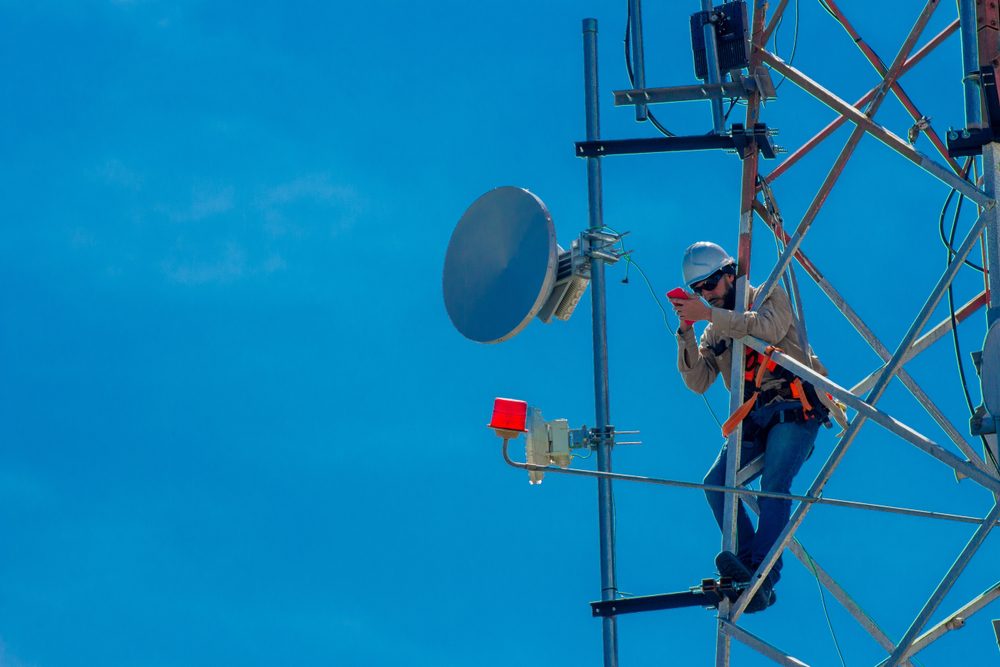
Industry Spotlight: Alternative Financing for Telecommunications Contractors
Telecommunications contractors build and maintain the infrastructure that carries voice, data, and broadband across commercial buildings, residential developments, and public networks. Tower erection, fiber optic installation, underground conduit work, distributed antenna systems, and last-mile broadband deployment all move through contractors who mobilize crews, procure materials, and begin work weeks or months before the billing cycle…
-

Industry Spotlight: Alternative Financing for Truck and Auto Parts Distributors
Truck and auto parts distributors supply the components that keep commercial fleets, repair shops, dealerships, and municipal vehicle operations on the road. OEM and aftermarket parts move from manufacturers through distributors to fleet operators, trucking companies, commercial repair facilities, and government vehicle maintenance operations, and those buyers expect fast delivery and reliable inventory availability. The…
-
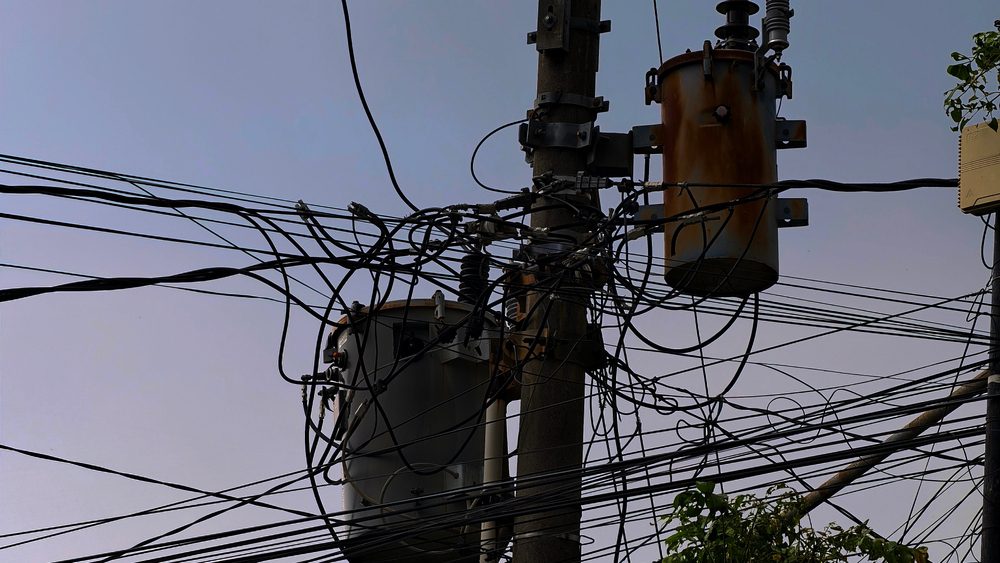
Industry Spotlight: Alternative Financing for Electrical Equipment Distributors
Electrical equipment distributors supply the components that keep construction projects moving and industrial facilities running. Switchgear, transformers, breakers, panels, wiring, conduit, motors, and lighting products move from manufacturers through distributors to electrical contractors, construction companies, industrial plants, utilities, and municipalities. The distributor sits in the middle of that supply chain, purchasing inventory from manufacturers on…