
Industry Spotlight: Alternative Financing for Oil and Gas Support Services Companies
Oil and gas support services companies provide the specialized work that keeps exploration and production (E&P) operations running. Wireline services, cementing, pressure pumping, pipe inspection, production testing, environmental services, oilfield transportation, equipment rental, and chemical supply all fall under this category.
These companies serve operators and E&P companies that have the resources to pay their bills but run their accounts payable on cycles that can stretch from net-30 to net-90. For a support services company mobilizing crews and equipment to a well site or a production facility, the costs run from day one while the payment timeline runs on the operator’s schedule.

The Cash Flow Structure of Oil and Gas Support Services
Oil and gas support services work is front-loaded with cost. A wireline crew mobilizing to a well site moves specialized equipment, consumables, and personnel on a timeline set by the operator’s drilling or production schedule. A cementing company delivers materials and expertise to a completion operation under time pressure that the well program dictates.
In both cases, the service company commits its resources before it submits a field ticket or an invoice, and the operator’s accounts payable department processes that invoice on its own cycle.
Operators and E&P companies purchasing field services from dozens of vendors across active programs manage their payables in batches. Net-30 is a favorable expectation in this market. Net-60 is standard for many mid-sized operators, and net-90 is not unusual for larger companies running high-volume service programs where invoice approval requires multiple layers of review.
Why Conventional Credit Falls Short
Oil and gas support services companies face a particular challenge with conventional lenders. In periods of commodity price weakness, bank appetite for energy sector lending shrinks across the board, and support services companies, as vendors to the E&P industry rather than operators themselves, can find credit lines reduced or not renewed regardless of their own financial performance.
Accounts Receivable Financing for Oil and Gas Support Services
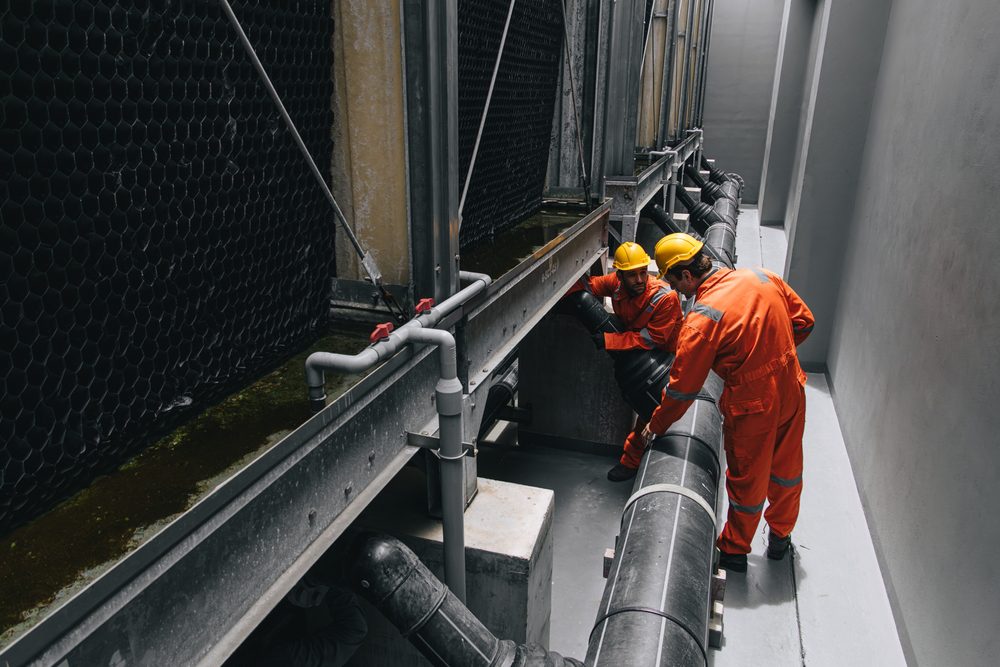
AR financing converts outstanding field service invoices into working capital without waiting on the operator’s payment cycle. A support services company that has completed a job, submitted a field ticket, and is waiting 60 days for payment can receive an advance against that receivable within days of verification, giving the business cash to cover crew wages, consumables, and equipment costs while the operator’s accounts payable process runs its course.
The creditworthiness of the operator on the other side of the invoice anchors the advance. Major oil companies, large independents, and midstream operators are creditworthy account debtors whose payment obligations a financing company can evaluate with confidence. A support services company whose client roster includes established operators has account debtors that support a sound advance regardless of where the service company’s own balance sheet sits in a commodity cycle.
Invoice Factoring for Oil and Gas Support Services
Invoice factoring gives oil and gas support services companies a way to sell completed field service invoices to a factoring company in exchange for an immediate advance. The factoring company collects from the operator when payment comes due and remits the remaining balance minus its fee. The service company receives working capital tied to work it has already performed rather than waiting through the operator’s full payment cycle.
Factoring is a strong fit for support services companies working with operators that have creditworthy payment profiles but extended payment timelines. The factoring decision rests on the operator’s ability to pay rather than the service company’s own financial position, which makes it accessible to companies at every stage of growth including those that are newer to the market or are navigating a period of commodity-driven revenue variability.

Equipment Financing and Sale-Leaseback
Oilfield support services companies invest in specialized equipment that defines their service capability. Equipment financing allows a company to acquire or upgrade that equipment without absorbing the full cost against operating cash flow. For companies that own their equipment outright, sale-leaseback arrangements convert that equipment equity into working capital while retaining full operational use of the assets.
A sale-leaseback is worth considering for support services companies navigating a down commodity cycle where conventional credit has tightened but the business has productive assets on the balance sheet. Converting owned equipment into working capital can bridge the company through a period of reduced activity without taking on additional unsecured debt.
What This Means for Oil and Gas Support Services Companies
The cash flow challenges in oilfield support services are structural and cycle-driven. Operators pay on extended terms, commodity markets create uncertainty, conventional bank appetite for energy lending is variable, and the equipment that defines a service company’s capability depreciates in a market that does not reliably support its value. AR financing, invoice factoring, and equipment financing give support services companies tools to manage those challenges without depending on a bank credit market that has retreated from the sector during the periods when the business needs capital most.
CapitalNetwork works with oil and gas support services companies to identify the right financing structure for the way the business operates across the commodity cycle. If outstanding field service invoices are creating pressure or an upcoming work program requires capital before the first ticket is submitted, this is the right time to have that conversation.
Latest Blogs
-

Can I Get Alternative Business Funding With Bad Credit?
A low credit score closes some doors. It does not close all of them. If you’ve been turned down for a business loan because of your credit score, you’re not alone, and you’re not out of options. According to the Federal Reserve’s 2024 Small Business Credit Survey, 29 percent of business loan applicants were denied…
-
Industry Spotlight: Alternative Financing for Telecommunications Contractors
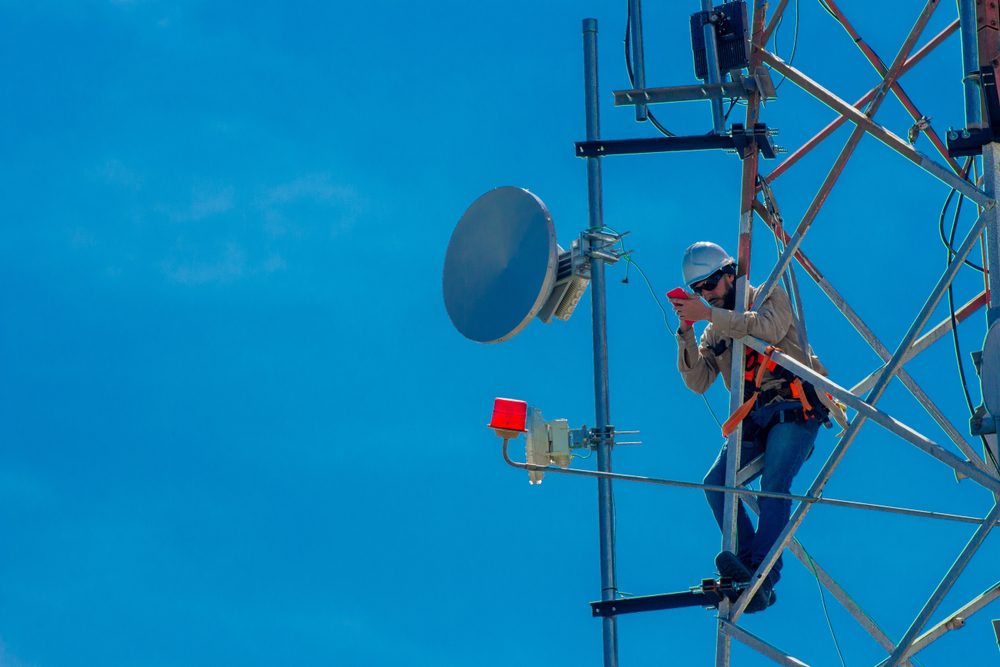
Telecommunications contractors build and maintain the infrastructure that carries voice, data, and broadband across commercial buildings, residential developments, and public networks. Tower erection, fiber optic installation, underground conduit work, distributed antenna systems, and last-mile broadband deployment all move through contractors who mobilize crews, procure materials, and begin work weeks or months before the billing cycle…
-
Industry Spotlight: Alternative Financing for Truck and Auto Parts Distributors
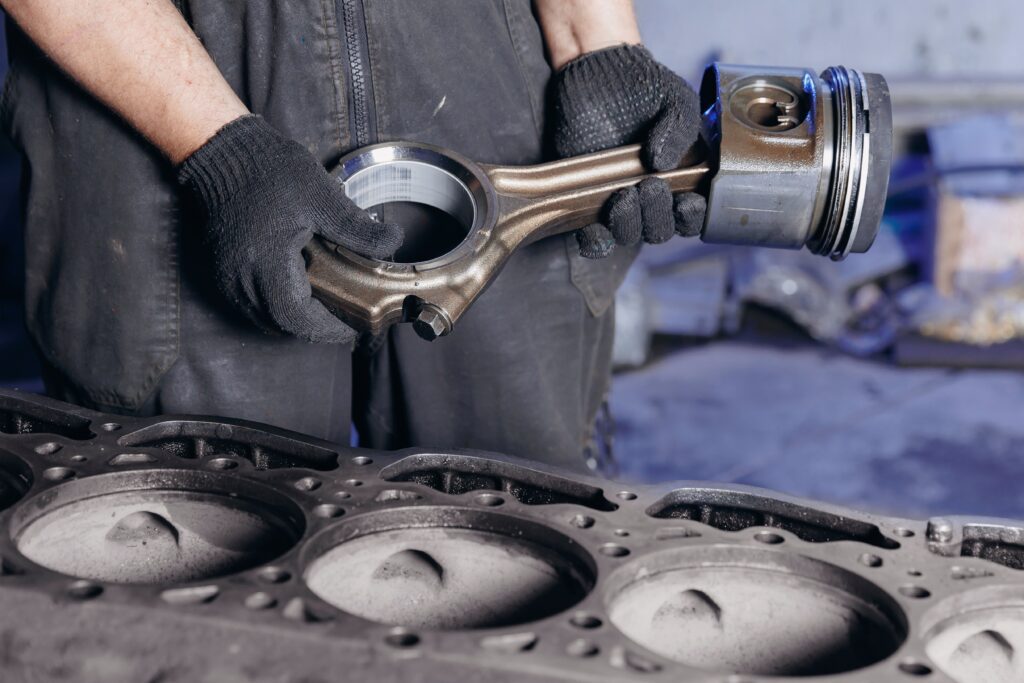
Truck and auto parts distributors supply the components that keep commercial fleets, repair shops, dealerships, and municipal vehicle operations on the road. OEM and aftermarket parts move from manufacturers through distributors to fleet operators, trucking companies, commercial repair facilities, and government vehicle maintenance operations, and those buyers expect fast delivery and reliable inventory availability. The…
-
Industry Spotlight: Alternative Financing for Electrical Equipment Distributors
Electrical equipment distributors supply the components that keep construction projects moving and industrial facilities running. Switchgear, transformers, breakers, panels, wiring, conduit, motors, and lighting products move from manufacturers through distributors to electrical contractors, construction companies, industrial plants, utilities, and municipalities. The distributor sits in the middle of that supply chain, purchasing inventory from manufacturers on…