
Common Business Funding Mistakes to Avoid Before Applying for Financing
Business funding mistakes can hurt your chances of getting approved and may create long-term financial problems for your company. Many owners rush into funding decisions without understanding loan rejection reasons, documentation mistakes, or over borrowing risks. Working with a trusted financial management consultant can help businesses avoid costly errors and choose smarter funding solutions from the start.
While starting or growing a business often requires outside funding, many companies struggle because they make avoidable financing mistakes. Some choose the wrong lender, while others fail to manage funds properly after approval. Even small application errors can delay approval or increase borrowing costs.
Key Takeaways
- Poor preparation is one of the biggest causes of funding rejection.
- Wrong lender choice can lead to higher rates and strict repayment terms.
- Documentation mistakes often slow down or stop approvals.
- Over borrowing risks can damage business cash flow.
- Funding misuse may hurt future financing opportunities.
- Strong planning improves approval chances and financial stability.
Why Understanding Business Funding Mistakes Matters
Many lenders carefully review applications before approving financing. They check business income, debt, credit history, and repayment ability. Even one mistake can create approval denial causes that hurt your chances.

In addition, poor funding choices may lead to expensive debt and long-term stress. Businesses that understand common funding pitfalls often make smarter decisions and improve their financial health over time.
Common Problems Businesses Face During Funding
Many business owners experience challenges such as:
- Incomplete paperwork
- Weak business plans
- Low credit scores
- Poor cash flow
- Borrowing too much money
- Choosing high-interest loans
- Ignoring repayment terms
These issues often lead to loan rejection reasons that could have been avoided with better planning.
Applying Without Understanding: What Are the Business Funding Requirements
One major mistake is applying before learning “What Are the Business Funding Requirements” for lenders. Every lender has different rules. Some require strong credit scores, while others focus more on revenue and cash flow.
Additionally, businesses often submit applications too early. As a result, lenders may deny financing due to missing records or unstable finances.
Important Documents Most Lenders Request
Before applying, businesses should prepare:
- Tax returns
- Bank statements
- Profit and loss reports
- Business licenses
- Debt records
- Cash flow statements
Accurate paperwork reduces documentation mistakes and helps lenders review applications faster.
According to the U.S. Small Business Administration, lenders often require detailed financial records to evaluate repayment ability and business stability.
Choosing the Wrong Lender for Your Business
Wrong lender choice is another common problem that affects many companies. Some lenders specialize in startups, while others only fund established businesses. Choosing the wrong provider may result in higher costs or immediate rejection.

For example, traditional banks usually require strong credit and steady revenue. Meanwhile, alternative business loansmay offer more flexible approval requirements.
Signs You May Be Choosing the Wrong Lender
Watch for these warning signs:
- Interest rates are unclear
- Repayment terms seem confusing
- Approval promises sound unrealistic
- Customer reviews are poor
- Fees are hidden in contracts
Businesses should compare several lenders before making decisions. This helps reduce funding cost mistakes and protects long-term cash flow.
Ignoring Credit Score and Financial Health
Many owners underestimate how much credit affects financing approval. Credit impact errors often lead to higher rates or complete denial.
Lenders review both personal and business credit scores. They also look at debt levels and payment history. Missing payments or carrying too much debt can create serious concerns.
Ways to Improve Credit Before Applying
Businesses can strengthen credit by:
- Paying bills on time
- Reducing existing debt
- Monitoring credit reports
- Avoiding unnecessary loan applications
- Keeping credit utilization low
Strong credit improves approval chances and may help businesses secure better loan terms.
Borrowing More Money Than the Business Needs
Over borrowing risks can quickly damage a company’s finances. Some businesses accept large funding amounts without carefully reviewing repayment obligations.
While extra cash may seem helpful at first, large monthly payments can create stress during slow sales periods. Businesses may then struggle to cover payroll, rent, and supplier costs.
Problems Caused by Over Borrowing
Taking too much funding may lead to:
- High monthly payments
- Cash flow shortages
- Increased interest costs
- Lower future borrowing power
- Greater financial pressure
Instead, businesses should calculate exact funding needs before accepting financing offers.
Misusing Funds After Loan Approval
Funding misuse is another serious issue that affects small businesses. Some owners use business funds for personal expenses or unrelated purchases. This can create accounting problems and repayment difficulties.
Lenders expect funds to support business growth. Using financing responsibly improves future borrowing opportunities and financial stability.
Smart Ways to Use Business Funding
Approved funds are commonly used for:
- Equipment purchases
- Inventory management
- Hiring employees
- Marketing campaigns
- Business expansion
- Emergency working capital
Many working capital consultants recommend creating a spending plan before receiving financing to avoid unnecessary expenses.
Overlooking Small Business Cash Flow Lending Needs

Cash flow problems are a major reason businesses fail after receiving funding. Some owners focus only on loan approval and ignore repayment planning.
Small business cash flow lending solutions can help businesses manage short-term expenses. However, businesses still need strong budgeting practices.
Tips for Better Cash Flow Management
To improve cash flow:
- Track expenses weekly
- Send invoices quickly
- Reduce unnecessary spending
- Maintain emergency reserves
- Review repayment schedules carefully
Strong cash flow management helps businesses avoid late payments and future funding problems.
Failing to Explore Alternative Financing Options
Some businesses only apply for traditional bank loans. However, not every company qualifies for bank financing. Ignoring Alternative Financing Options may limit growth opportunities.
Today, many businesses use flexible funding solutions that better fit their financial situation.
Common Alternative Funding Solutions
Popular funding alternatives include:
- Merchant cash advances
- Equipment financing
- Invoice financing
- Business lines of credit
- Crowdfunding
- Factoring loan programs
Some companies also use account receivable funding to improve cash flow while waiting for customer payments.
Understanding “When Should a Business Choose Alternative Funding” depends on revenue stability, credit history, and urgency of financial needs.
Not Understanding What Are the Different Types of Business Funding
Businesses often apply for financing without learning “What Are the Different Types of Business Funding” available today. This can lead to poor decisions and unnecessary costs.
Different funding products serve different goals. Some work best for expansion, while others support short-term expenses.
Common Types of Business Funding
Business owners may consider:
- Term loans
- SBA loans
- Business credit cards
- Invoice financing
- Equipment loans
- Lines of credit
- Alternative business loans
Understanding each option helps businesses choose financing that matches their goals and repayment ability.
Rushing the Application Process

Many approval denial causes happen because businesses rush through applications. Missing details, incorrect numbers, and incomplete forms can delay approvals or create lender concerns.
Taking extra time to review applications carefully often improves funding success.
Application Errors Businesses Should Avoid
Common application errors include:
- Incorrect revenue figures
- Missing documents
- Inconsistent financial records
- Wrong tax information
- Incomplete signatures
Double-checking all paperwork reduces documentation problems and improves lender confidence.
Failing to Create a Repayment Strategy
Some businesses focus only on getting approved and forget about repayment planning. This creates long-term financial stress.
Before accepting financing, businesses should review monthly payment obligations and future income expectations.
Questions to Ask Before Accepting Funding
Business owners should ask:
- Can the business handle monthly payments?
- Are interest rates fixed or variable?
- Are there hidden fees?
- Is early repayment allowed?
- How will this affect cash flow?
Answering these questions helps businesses avoid funding pitfalls and financial surprises later.
How to Choose the Best Funding Option for My Business
Choosing the right funding solution depends on business size, goals, industry, and financial health. Not every financing product works for every company.
Businesses should compare lenders, review terms carefully, and evaluate repayment flexibility before making decisions.
Factors to Consider Before Choosing Funding
Important factors include:
- Loan amount needed
- Repayment timeline
- Interest rates
- Credit score requirements
- Funding speed
- Cash flow stability
Speaking with experienced advisors may also help businesses avoid costly financing mistakes.
Conclusion
Avoiding common business funding mistakes can improve approval chances and protect your company’s financial future. From documentation mistakes to funding misuse and over borrowing risks, small errors can create serious problems over time.
Businesses that prepare carefully, compare lenders, and manage funds responsibly often experience better long-term success. Understanding financing options, improving credit, and building strong repayment plans can help companies grow with confidence.
If your business needs help choosing the right funding strategy, contact a trusted financing expert today to explore smarter and safer business funding solutions.
FAQs
What are the most common business funding mistakes?
Common mistakes include incomplete applications, poor credit management, borrowing too much, choosing the wrong lender, and misusing funds after approval.
Why do lenders reject business funding applications?
Lenders may reject applications because of low credit scores, unstable cash flow, missing documents, or high existing debt.
How can businesses improve their chances of loan approval?
Businesses can improve approval chances by organizing financial records, reducing debt, improving credit scores, and applying with the right lender.
What is the biggest risk of over borrowing?
Over borrowing can create large monthly payments that hurt cash flow and increase financial pressure during slow business periods.
Are alternative business loans better than bank loans?
Alternative business loans may offer faster approvals and flexible requirements, but businesses should compare rates and repayment terms carefully before deciding.
Latest Blogs
-
Can I Get Alternative Business Funding With Bad Credit?
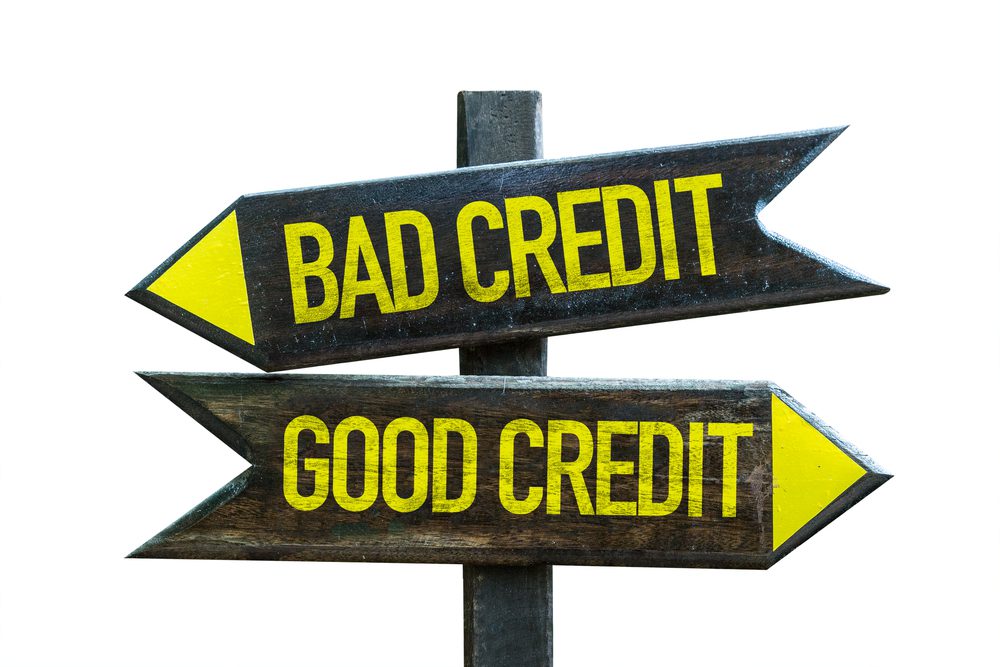
A low credit score closes some doors. It does not close all of them. If you’ve been turned down for a business loan because of your credit score, you’re not alone, and you’re not out of options. According to the Federal Reserve’s 2024 Small Business Credit Survey, 29 percent of business loan applicants were denied…
-

Industry Spotlight: Alternative Financing for Telecommunications Contractors
Telecommunications contractors build and maintain the infrastructure that carries voice, data, and broadband across commercial buildings, residential developments, and public networks. Tower erection, fiber optic installation, underground conduit work, distributed antenna systems, and last-mile broadband deployment all move through contractors who mobilize crews, procure materials, and begin work weeks or months before the billing cycle…
-

Industry Spotlight: Alternative Financing for Truck and Auto Parts Distributors
Truck and auto parts distributors supply the components that keep commercial fleets, repair shops, dealerships, and municipal vehicle operations on the road. OEM and aftermarket parts move from manufacturers through distributors to fleet operators, trucking companies, commercial repair facilities, and government vehicle maintenance operations, and those buyers expect fast delivery and reliable inventory availability. The…
-
Industry Spotlight: Alternative Financing for Electrical Equipment Distributors
Electrical equipment distributors supply the components that keep construction projects moving and industrial facilities running. Switchgear, transformers, breakers, panels, wiring, conduit, motors, and lighting products move from manufacturers through distributors to electrical contractors, construction companies, industrial plants, utilities, and municipalities. The distributor sits in the middle of that supply chain, purchasing inventory from manufacturers on…