
Industry Spotlight: Alternative Financing for Chemical Distributors
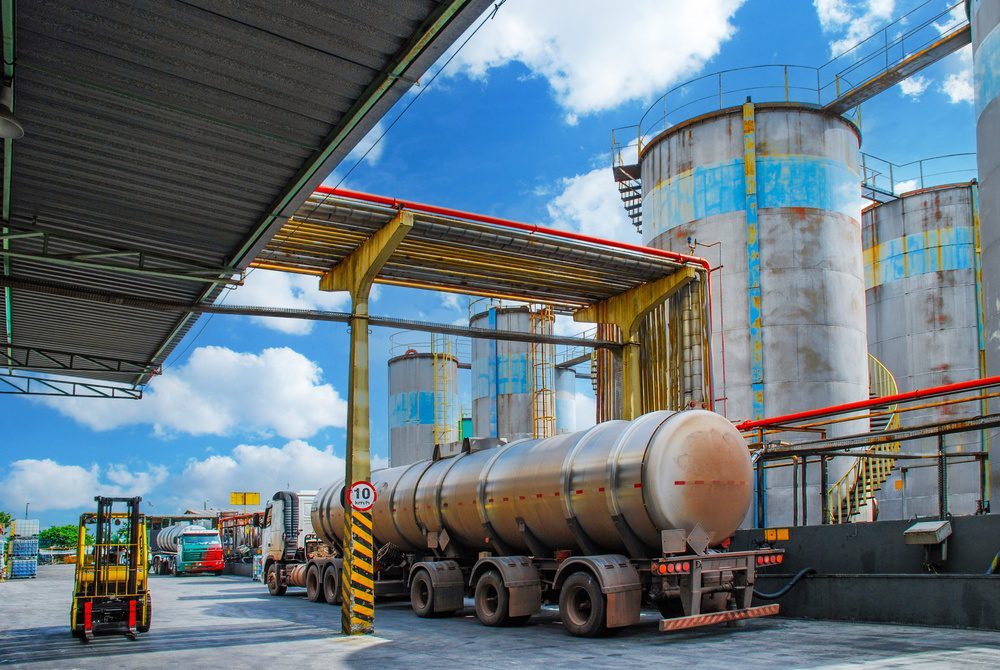
Chemical distributors move industrial, specialty, and agricultural chemicals from manufacturers to the businesses that depend on them. The buyers on the receiving end of those deliveries include food processors, agricultural operations, manufacturing facilities, cleaning and sanitation companies, and water treatment plants.
The chemicals have to be purchased from the manufacturer, stored under the right conditions, transported by the right equipment, and delivered on the customer’s schedule, and none of that happens on credit extended by the manufacturer. The distributor pays for inventory while the customer pays the distributor in 30 to 60 days. Everything in between is a working capital problem.

Factoring for Chemical Distributors
Invoice factoring gives chemical distributors a way to convert delivery invoices into immediate cash by selling those receivables to a factoring company. The factoring company advances a percentage of the invoice on delivery, collects from the customer when payment comes due, and returns the remaining balance minus its fee. The distributor gets capital tied to chemicals already delivered rather than waiting through the customer’s billing cycle.
The creditworthiness of the account debtor is what grounds the factoring advance. Industrial manufacturers, food processors, agricultural companies, and municipal facilities are established buyers whose payment histories and financial positions a factoring company can evaluate with confidence. A chemical distributor whose route includes those kinds of buyers can access factoring based on the strength of that customer base rather than on its own balance sheet.
AR Financing and the Inventory Cycle
AR financing addresses the same inventory funding problem through a structure that keeps the receivable on the distributor’s books. The distributor pledges the invoice as the basis for an advance, receives the working capital it needs to fund the next purchasing cycle, and repays the advance when the customer pays the invoice. For distributors with established banking relationships who prefer to manage their receivables on their own terms, AR financing offers a flexible complement to existing credit facilities.
The practical benefit in chemical distribution is the same regardless of structure, with the distributor no longer having to choose between paying the manufacturer for the next inventory order and waiting for the last customer to clear their payable. The receivable becomes the bridge between the two, funding current operations against completed sales.
Fleet and Equipment Financing
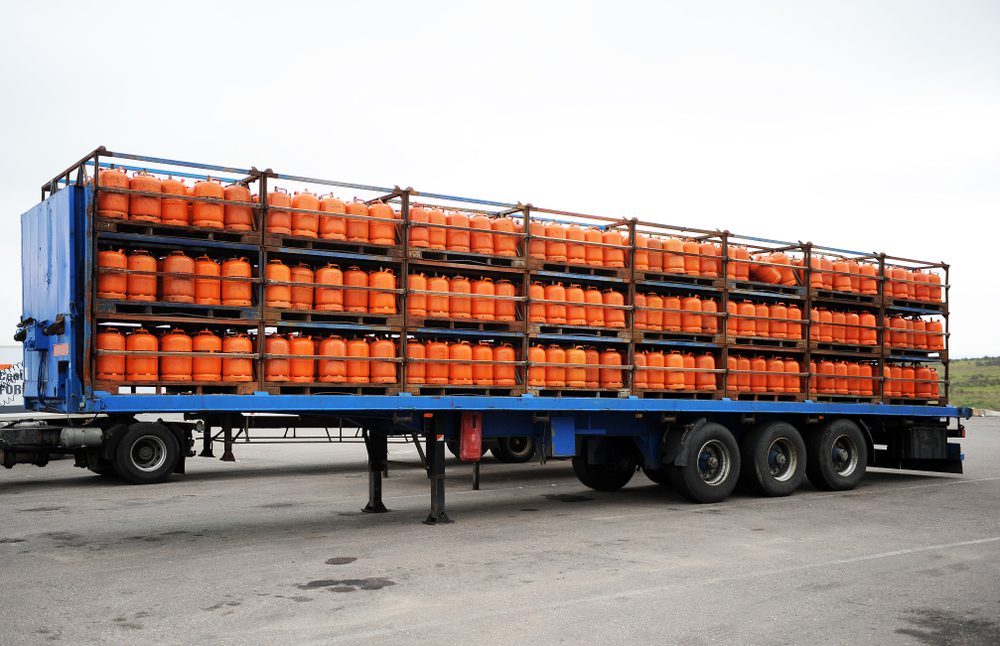
Chemical distribution requires specialized equipment that does not come cheap and does not tolerate deferred maintenance. Tanker trucks, tote delivery vehicles, hazmat-rated transport containers, and storage infrastructure are all capital assets that carry ongoing compliance and maintenance obligations. Equipment financing allows distributors to invest in fleet capacity without diverting capital from inventory purchasing, which is the more immediate operational priority in a volume distribution business.
Sale-leaseback arrangements give distributors that own their delivery fleet outright a way to convert that equipment equity into working capital without taking vehicles off the road. A distributor expanding into a new geographic territory or adding a new chemical category that requires specialized transport can use equipment financing to add that capability without competing with the capital needed to fund inventory.
The Working Capital Equation in Chemical Distribution
The business of moving chemicals from manufacturer to end user requires capital at every stage. Distributors who can convert their receivables into working capital on a faster cycle than the customer’s accounts payable department operates on are distributors who can keep inventory moving, grow their route coverage, and take on new chemical categories without stopping to wait for the cash to catch up.
CapitalNetwork works with chemical distributors and specialty product wholesalers to find the financing structure that fits the volume, the customer mix, and the inventory cycle of the operation. Tell us about your delivery schedule and your customer base and we can help you figure out where factoring or AR financing fits in.
Latest Blogs
-
Industry Spotlight: Alternative Financing for Chemical Distributors
Chemical distributors move industrial, specialty, and agricultural chemicals from manufacturers to the businesses that depend on them. The buyers on the receiving end of those deliveries include food processors, agricultural operations, manufacturing facilities, cleaning and sanitation companies, and water treatment plants. The chemicals have to be purchased from the manufacturer, stored under the right conditions,…
-
Industry Spotlight: Alternative Financing for Wood Container and Pallet Manufacturers
Wood pallet and container manufacturers supply the physical infrastructure that moves goods through the supply chain. Every warehouse, distribution center, food processor, chemical plant, and manufacturing facility depends on a steady supply of pallets, crates, and wooden containers to move product from one point to the next. The companies that make those products run high-volume…
-

Industry Spotlight: Alternative Financing For Employment and Staffing Services
Staffing is one of the industries that built invoice factoring into what it is today. The mechanics are consistent across every agency regardless of size or sector, whether the agency places light industrial workers at manufacturing facilities, nurses and allied health professionals at hospitals and clinics, IT contractors at corporate offices, or general labor crews…
-
Industry Spotlight: Alternative Financing for Pipeline and Utility Construction Contractors
Pipeline and utility construction contractors build the infrastructure that moves energy, water, and communications across cities, states, and regions. These are skilled, capital-intensive operations that work under contracts with gas utilities, electric companies, municipal water authorities, and energy producers. The contracts are large, the equipment is expensive, and the payment cycle runs on schedules set…