
Industry Spotlight: Alternative Financing for Wood Container and Pallet Manufacturers
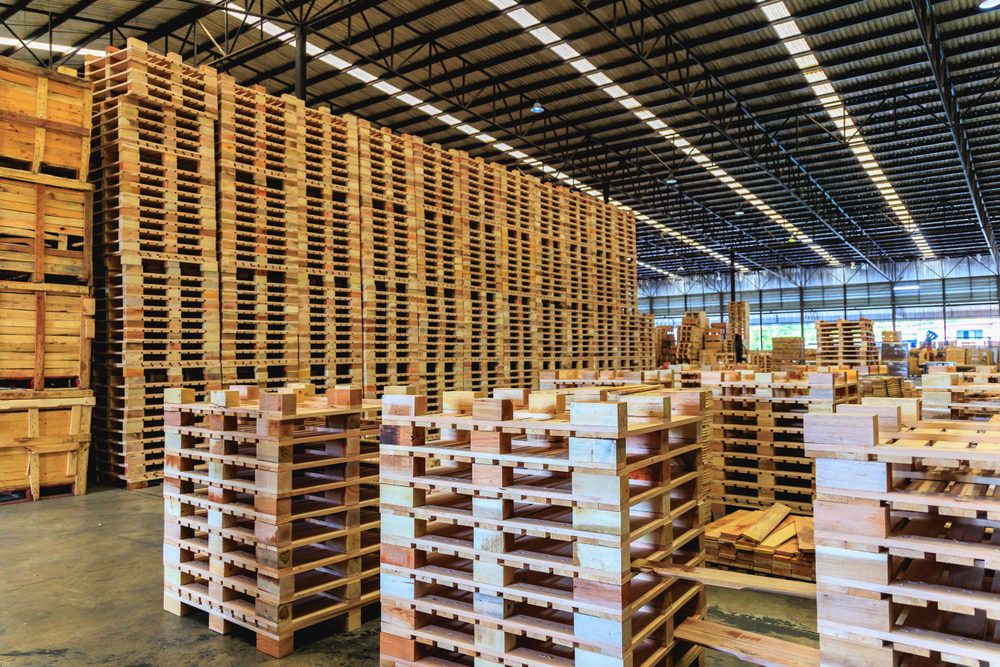
Wood pallet and container manufacturers supply the physical infrastructure that moves goods through the supply chain. Every warehouse, distribution center, food processor, chemical plant, and manufacturing facility depends on a steady supply of pallets, crates, and wooden containers to move product from one point to the next.
The companies that make those products run high-volume production operations against a cost structure that arrives before the revenue does, with lumber purchased before a single pallet is built, production labor running every week, and invoices landing in the customer’s accounts payable queue for 30 to 60 days.
Production Runs Ahead of Payment
Pallet and container manufacturing is a build-to-order business with a front-loaded cost structure. A manufacturer receiving a large purchase order for several thousand pallets from a food distributor or a national retailer sources lumber, schedules production runs, and commits labor hours before the first pallet ships. Lumber pricing moves with market conditions, and a manufacturer buying in volume is committing significant capital to raw material before that material generates a single dollar of billable revenue.
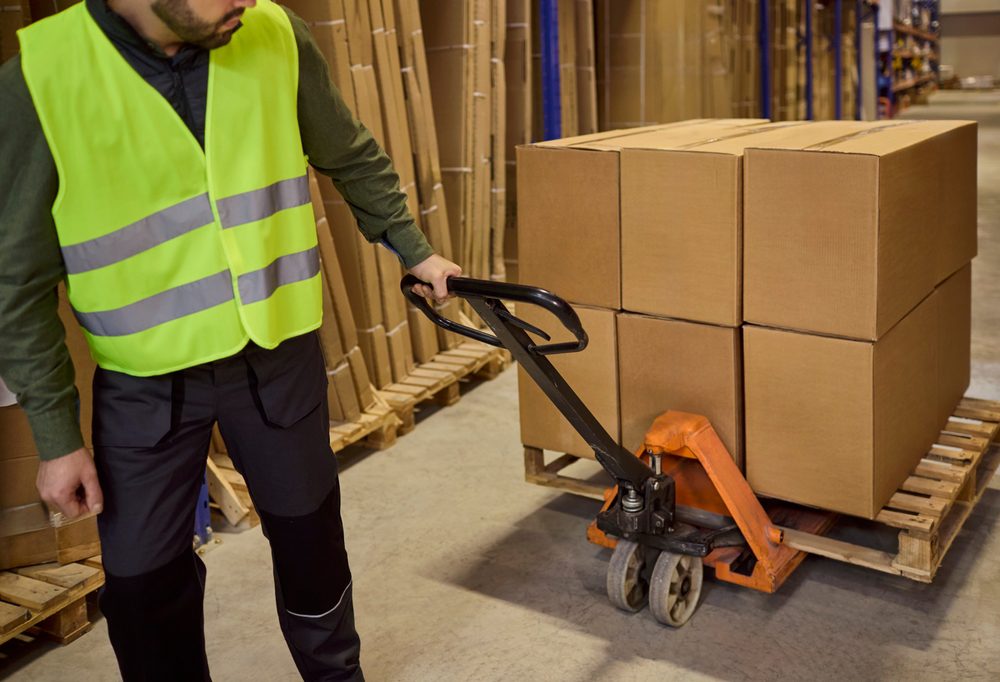
Once production is complete and the order ships, the invoice goes to the customer. Food companies, manufacturers, agricultural operations, and distributors that buy pallets and containers in volume tend to be established buyers with formal accounts payable processes running on net-30 or net-60 cycles. A pallet company shipping to a dozen accounts per month may carry several weeks of completed, delivered orders in outstanding receivables while the sawmill and the labor payroll continue running on their own schedules.
Invoice Factoring for Pallet and Container Manufacturers
Invoice factoring converts completed delivery invoices into cash without waiting on the customer’s payment timeline. A pallet manufacturer that has shipped an order to a food processor or a distribution center and submitted its invoice can receive an advance from a factoring company within days, putting money back into the operation to fund the next lumber purchase and the next production run before the prior customer has cleared their payable.
The factoring approval rests on the creditworthiness of the buyer. Food companies, national retailers, manufacturers, and agricultural operations are established account debtors whose payment obligations a factoring company can evaluate with confidence. A pallet manufacturer whose customer base includes that caliber of buyer can access factoring based on those relationships rather than on the size of its own balance sheet, which matters for manufacturers whose equity is tied up in inventory and equipment rather than cash.
For manufacturers managing high-volume accounts with recurring monthly orders, factoring provides a working capital rhythm that matches the production cycle, advancing cash on each shipment rather than requiring the business to carry the full collection period on its own.
AR Financing and the Recurring Order Book
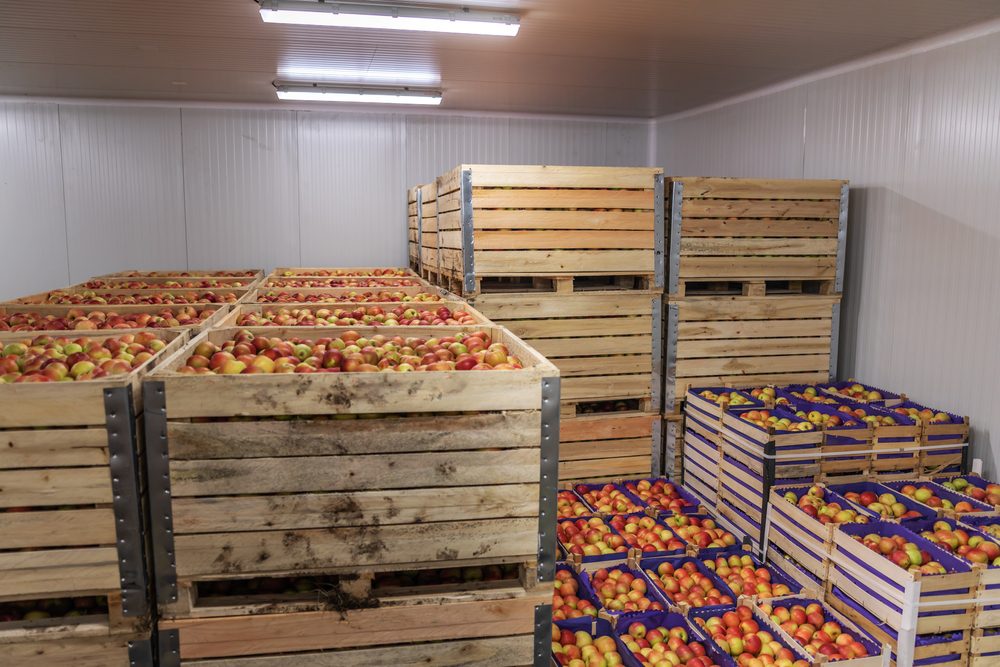
AR financing addresses the same collection timing problem through a different structure. The manufacturer retains ownership of the invoice and receives an advance against it, with the advance repaid when the customer pays. For pallet and container companies with long-term supply agreements and recurring purchase orders from established buyers, AR financing provides working capital that scales with order volume.
A manufacturer supplying a national distribution network under a multi-year supply agreement generates a consistent, predictable invoice stream that an AR financing program can advance against on a repeating basis. As order volume grows, available working capital grows with it, without a formal credit review or a request to increase a fixed borrowing limit.
Both factoring and AR financing address the lumber cost timing problem at its source. Rather than carrying the gap between raw material purchase and customer payment out of operating cash, the manufacturer converts shipped invoices into capital that funds the next production cycle.
Equipment Financing for Production Operations
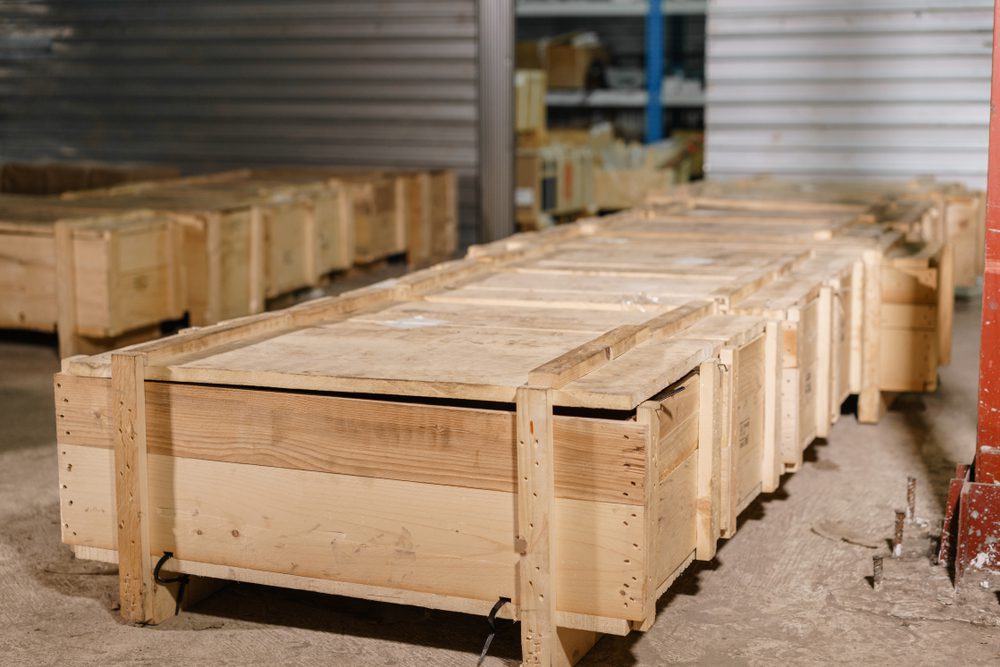
Pallet and container manufacturing requires capital equipment. Saws, nailing machines, trim equipment, forklifts, and delivery trucks all represent productive assets that wear out and require replacement in a high-volume production environment. Equipment financing spreads those acquisition costs over time, preserving operating liquidity for lumber purchasing and payroll.
For manufacturers that own their production equipment outright, sale-leaseback arrangements convert that equipment equity into working capital while the machines stay on the production floor. A manufacturer entering a growth phase that requires additional production capacity or a fleet vehicle to service a new geographic territory can use equipment financing to add that capability without competing with the capital needed to fund raw material purchases.
Putting the Pieces Together
The economics of pallet and container manufacturing reward the business that can keep lumber flowing into production and finished product flowing to customers without pausing to wait for prior invoices to settle. Factoring and AR financing give manufacturers a way to run that cycle without self-financing the gap between the sawmill and the customer’s accounts payable department.
CapitalNetwork works with wood products manufacturers and industrial suppliers to identify the financing structure that fits the volume and rhythm of the operation. If lumber costs are running ahead of collections or a large new purchase order requires material investment before the first shipment goes out, bring that conversation to us.
Latest Blogs
-
Industry Spotlight: Alternative Financing for Wood Container and Pallet Manufacturers
Wood pallet and container manufacturers supply the physical infrastructure that moves goods through the supply chain. Every warehouse, distribution center, food processor, chemical plant, and manufacturing facility depends on a steady supply of pallets, crates, and wooden containers to move product from one point to the next. The companies that make those products run high-volume…
-

Industry Spotlight: Alternative Financing For Employment and Staffing Services
Staffing is one of the industries that built invoice factoring into what it is today. The mechanics are consistent across every agency regardless of size or sector, whether the agency places light industrial workers at manufacturing facilities, nurses and allied health professionals at hospitals and clinics, IT contractors at corporate offices, or general labor crews…
-

Industry Spotlight: Alternative Financing for Pipeline and Utility Construction Contractors
Pipeline and utility construction contractors build the infrastructure that moves energy, water, and communications across cities, states, and regions. These are skilled, capital-intensive operations that work under contracts with gas utilities, electric companies, municipal water authorities, and energy producers. The contracts are large, the equipment is expensive, and the payment cycle runs on schedules set…
-

Industry Spotlight: Alternative Financing for Petroleum Products Wholesalers
Petroleum products wholesalers move fuel through the supply chain between refiners and the businesses that depend on it. Diesel, gasoline, heating oil, lubricants, and aviation fuel flow from terminals and storage facilities to trucking fleets, construction sites, municipalities, farms, and industrial operations through distributors who purchase in bulk and deliver on schedule. The business runs…