

Industry Spotlight: Alternative Financing for Petroleum Products Wholesalers
Petroleum products wholesalers move fuel through the supply chain between refiners and the businesses that depend on it. Diesel, gasoline, heating oil, lubricants, and aviation fuel flow from terminals and storage facilities to trucking fleets, construction sites, municipalities, farms, and industrial operations through distributors who purchase in bulk and deliver on schedule.
The business runs on high volume, thin margins, and a cash flow structure where the dollars committed to each purchase are significant and the window between buying and collecting is wide enough to create serious working capital pressure.

The Cash Flow Structure of Fuel Distribution
A petroleum wholesaler buys fuel at today’s commodity price and sells it to commercial accounts on net-30 or net-60 terms. The purchase price hits the cash account at the point of acquisition. The invoice goes out on delivery. The fleet operator, the municipality, or the construction company pays when their billing cycle comes around.
That sequence carries two layers of cash flow risk that few other industries share. The first is volume. A single delivery to a large fleet or a municipal fuel contract can represent a significant invoice, and a wholesaler running multiple deliveries per week may have hundreds of thousands of dollars in outstanding receivables at any given time, all of it committed against fuel purchased at cost.
The second layer is commodity price exposure. If fuel prices fall between the time a wholesaler purchases inventory and the time the customer pays, the margin on that transaction narrows. The working capital tied up in outstanding receivables is doing double duty, covering both the timing gap and the commodity risk, and a financing structure that converts those receivables into cash faster reduces exposure on both fronts.
Accounts Receivable Financing for Petroleum Wholesalers
AR financing gives petroleum wholesalers a way to convert outstanding fuel delivery invoices into working capital on a timeline that matches the pace of purchasing rather than the pace of collection. When a distributor delivers a load of diesel to a trucking company or a tank of heating oil to a commercial property and submits the invoice, AR financing advances a percentage of that invoice within days rather than waiting for the customer’s net-30 or net-60 payment cycle to close.

The account debtors in petroleum distribution tend to be creditworthy. Trucking companies, municipalities, agricultural operations, and industrial facilities are established buyers whose payment histories a financing company can evaluate with confidence. The strength of those buyer relationships, rather than the wholesaler’s own balance sheet, anchors the advance, which matters in a business where the margin is thin and the dollar amounts per transaction are high.
For wholesalers managing deliveries across a mix of commercial, government, and agricultural accounts, AR financing gives the business a working capital tool that scales with delivery volume, allowing the distributor to keep purchasing and delivering without waiting for each prior invoice to clear before funding the next round of inventory.
Invoice Factoring for Petroleum Wholesalers
Invoice factoring converts fuel delivery invoices into immediate cash by selling those receivables to a factoring company rather than advancing against them. The factoring company takes on the collection responsibility and remits the remaining balance to the wholesaler once the customer pays, minus the factoring fee. The distributor gets cash tied to fuel already delivered, and the factoring company takes on the wait.
The value of factoring in petroleum distribution is the speed at which it removes receivables from the balance sheet and replaces them with cash. In a business where the cost of goods is high and the margin is thin, sitting on $300,000 in outstanding invoices while the next purchase order is due is a structural vulnerability. Factoring addresses that vulnerability at the transaction level rather than through a credit facility that may not flex with the volume and timing of actual fuel purchases.
For wholesalers whose customer base includes a mix of account types with different payment behaviors, factoring can be selective, covering the accounts with the longest payment timelines while leaving shorter-cycle accounts to settle through normal billing.

Equipment and Fleet Financing
Fuel delivery trucks, tanker trailers, and storage infrastructure are the physical assets that make petroleum distribution possible, and replacing or expanding that fleet requires capital that draws from the same pool as the cash needed to fund inventory purchases.
Equipment financing gives petroleum wholesalers a path to fleet investment that does not require pulling capital away from fuel purchasing. Sale-leaseback arrangements on owned delivery equipment convert fleet equity into working capital while the trucks remain in active service, which can free up meaningful cash during periods when fuel prices are high and inventory costs are elevated.
Putting It Together
The economics of petroleum distribution reward the wholesaler who can keep purchasing and delivering without pausing to wait for prior invoices to settle. Margins in this business are measured in fractions of cents per gallon, which means the cost of sitting on receivables, whether measured in lost purchasing capacity or commodity price exposure, is real and ongoing.
AR financing and invoice factoring give petroleum products wholesalers the ability to turn the business model back around, getting paid for what has already been delivered before committing to the next round of purchases. If that kind of working capital alignment sounds like what your distribution operation needs, CapitalNetwork can help you find the program that fits your volume, your customer base, and your purchasing cycle.
Latest Blogs
-

Can I Get Alternative Business Funding With Bad Credit?
A low credit score closes some doors. It does not close all of them. If you’ve been turned down for a business loan because of your credit score, you’re not alone, and you’re not out of options. According to the Federal Reserve’s 2024 Small Business Credit Survey, 29 percent of business loan applicants were denied…
-

Industry Spotlight: Alternative Financing for Telecommunications Contractors
Telecommunications contractors build and maintain the infrastructure that carries voice, data, and broadband across commercial buildings, residential developments, and public networks. Tower erection, fiber optic installation, underground conduit work, distributed antenna systems, and last-mile broadband deployment all move through contractors who mobilize crews, procure materials, and begin work weeks or months before the billing cycle…
-

Industry Spotlight: Alternative Financing for Truck and Auto Parts Distributors
Truck and auto parts distributors supply the components that keep commercial fleets, repair shops, dealerships, and municipal vehicle operations on the road. OEM and aftermarket parts move from manufacturers through distributors to fleet operators, trucking companies, commercial repair facilities, and government vehicle maintenance operations, and those buyers expect fast delivery and reliable inventory availability. The…
-
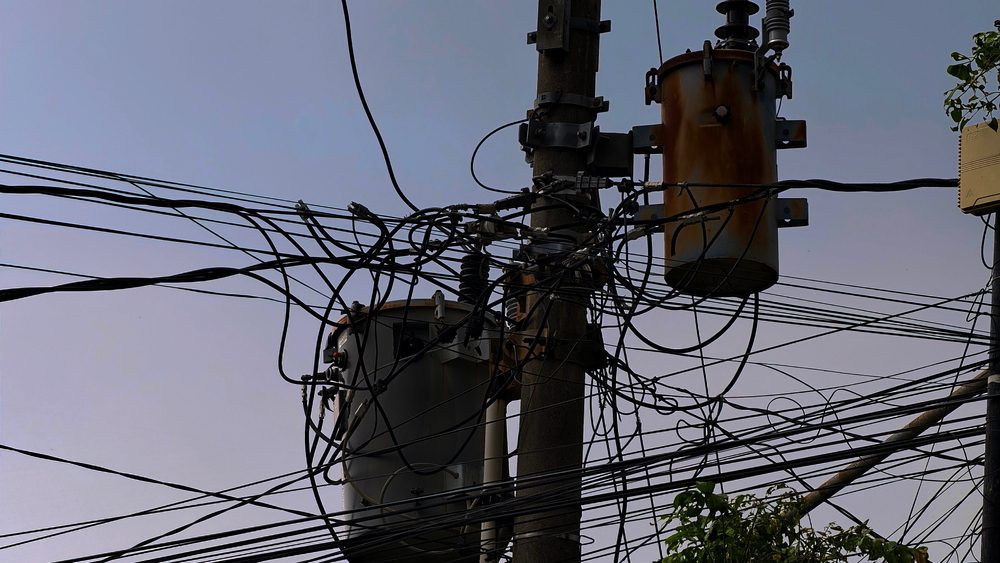
Industry Spotlight: Alternative Financing for Electrical Equipment Distributors
Electrical equipment distributors supply the components that keep construction projects moving and industrial facilities running. Switchgear, transformers, breakers, panels, wiring, conduit, motors, and lighting products move from manufacturers through distributors to electrical contractors, construction companies, industrial plants, utilities, and municipalities. The distributor sits in the middle of that supply chain, purchasing inventory from manufacturers on…