Industry Spotlight: Alternative Financing Options for the Farm Equipment Industry
The farm equipment business runs on seasons, commodity prices, and cycles that traditional loans were never fully designed to accommodate. Having a cash flow problem in the farm equipment industry is usually not a profitability problem, it’s a timing problem.
For businesses at every level of the supply chain, from manufacturers and distributors to independent dealers and repair operations, the financial tools available need to reflect how this industry actually operates rather than how a bank’s standard underwriting model assumes it does.
The agricultural equipment market has been navigating significant headwinds in recent years. Net farm income declined sharply from 2022 through 2024, putting purchasing pressure on producers and, by extension, on the dealers and distributors who serve them.
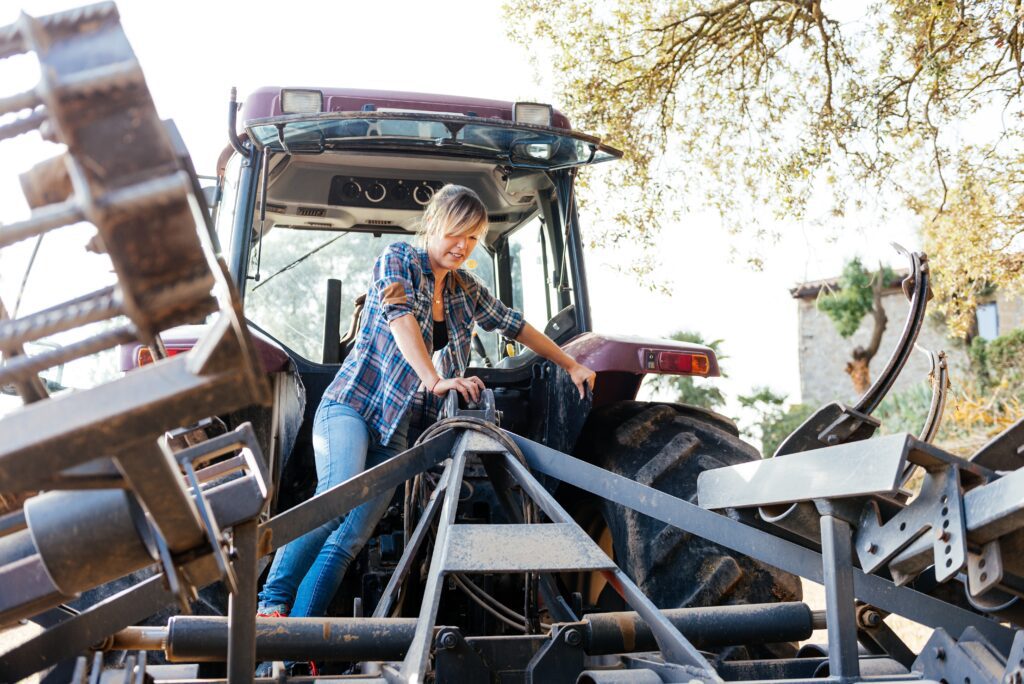
Equipment prices have risen well ahead of inflation over the past three decades, new machinery inventory has been slow to move, and dealers have increasingly turned to auctions and wholesale channels just to free up working capital. In that environment, having access to the right financing tools is a necessity.
Here is a practical look at the alternative financing options most relevant to businesses in the farm equipment space, what each one does well, and where each one falls short.
Accounts Recievable Financing
AR financing is a revolving credit line secured by your outstanding invoices. When you deliver parts, ship equipment, or complete a service contract and issue an invoice, that invoice represents money you’ve already earned but haven’t yet collected.
The business retains ownership of its invoices and continues managing its own collections. Clients are never notified that a financing facility is in place.
Rather than waiting up to three months for payment to arrive, you draw against a credit line backed by those receivables, use the capital for payroll, inventory, or operations, and repay the loan as clients pay their invoices. The credit line replenishes continuously as invoices clear.
The business retains ownership of its invoices and continues managing its own collections. Clients are never notified that a financing facility is in place.
Best for: Parts distributors, equipment manufacturers, service businesses, and dealers with consistent B2B invoicing from creditworthy commercial clients such as co-ops, large farming operations, or retail dealer networks.
Pros: Confidential structure preserves client relationships. Revolving facility scales with revenue, so as invoicing volume grows, available credit grows with it. Faster and less restrictive than traditional bank financing. Does not require real estate or equipment as collateral. Cost-effective relative to other working capital tools.
Cons: Requires an established invoicing history and creditworthy clients. Not suited to businesses with primarily consumer-facing revenue or point-of-sale transactions. Does not address pre-delivery or pre-invoice capital needs.
Floorplan Financing
Floorplan financing, also called inventory financing in some contexts, is the mechanism by which most farm equipment dealers fund the stock sitting on their lots. A lender pays the manufacturer or distributor directly when the dealer takes delivery of a unit, and the dealer then repays the lender as equipment is sold. The inventory on the lot serves as the collateral.
For dealerships carrying high-value equipment, tractors, combines, planters, and sprayers that can run from $50,000 to well over $500,000 per unit, carrying that inventory without financing would be impossible for most independent operations.
Best for: Equipment dealers of all sizes who need to maintain a lot inventory of new and used machinery without tying up all operating capital in stock.
Pros: Allows dealers to carry meaningful inventory without crushing their cash position. Manufacturer and distributor relationships often come with subsidized rates or promotional terms. Broadly available through captive finance arms of major OEMs and through independent lenders.
Cons: Interest accrues daily on floored units, meaning slow-moving inventory becomes expensive quickly. In a soft market where units sit longer, floorplan costs can meaningfully reduce dealer profitability. Curtailment schedules require periodic principal payments regardless of whether the unit has sold. Lenders may audit inventory and call lines if values decline.
Equipment Financing and Leasing
Lease programs and equipment loans are primarily tools for the farmers and operators buying machinery rather than the dealers and distributors selling it, but they are worth understanding from the supply chain perspective because they directly influence purchasing behavior and deal structure.
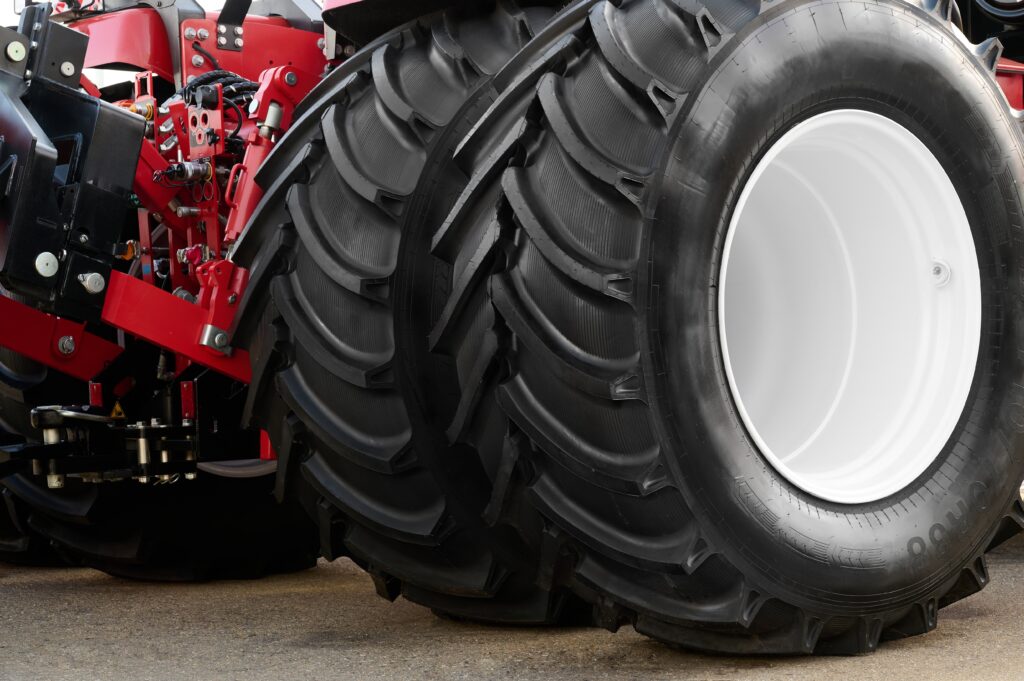
Equipment loans allow buyers to finance a purchase and take ownership over a defined term. Leases allow buyers to use equipment for a set period with structured payments, often with an option to purchase at the end. In recent years, with farm income under pressure and equipment prices elevated, leasing has grown in appeal because it lowers the upfront cost and aligns payments more closely with seasonal revenue cycles.
Best for: Farm operators and agricultural businesses purchasing or upgrading machinery who need to preserve working capital and manage payment timing.
Pros: Spreads capital costs over time rather than depleting cash reserves. Lease payments can often be structured to coincide with harvest or other high-revenue periods. Lease payments are frequently tax-deductible as a business expense. Newer equipment tends to reduce downtime and maintenance costs.
Cons: Leasing does not build equity in the asset. Over a long time horizon, the total cost of leasing typically exceeds the cost of outright purchase.
Business Lines of Credit
A revolving business line of credit from an alternative lender functions similarly to AR financing in structure but is underwritten based on the overall financial health and creditworthiness of the business rather than specific invoices. The borrower draws what is needed, repays it, and the capacity resets.
For farm equipment businesses, a line of credit is most useful for bridging operational gaps that aren’t tied to a specific invoice, such as covering payroll during a slow season, funding a parts order ahead of anticipated demand, or managing the timing difference between when a trade-in is taken and when a replacement unit sells.
Best for: Established dealerships, distributors, and service businesses that need flexible working capital access and have the financial history to qualify.

Pros: Flexible use of funds across any operational need. Revolving structure means you pay interest only on what you draw. Faster approval through alternative lenders than through traditional banks.
Cons: Newer operations or those with uneven financial history may face difficulty. Credit limits may be lower than an asset-backed facility like AR financing. In a soft market with declining revenues, limits can be reduced at renewal.
Purchase Order Financing
PO financing addresses the period before delivery, when a business has a confirmed order from a customer but lacks the working capital to source or produce the goods needed to fill it. The lender pays the supplier directly, the goods are produced and shipped, and the lender is repaid when the customer pays their invoice.
For parts distributors who land a significant order from a large co-op or dealer network, PO financing can mean the difference between being able to say yes or having to pass.
Best for: Distributors and suppliers that receive large B2B orders but lack the cash to fund fulfillment upfront.
Pros: Allows businesses to take on orders they couldn’t otherwise fund. No equity dilution. Can often be arranged quickly when a confirmed purchase order is in place.
Cons: Limited to confirmed orders from creditworthy buyers. Higher cost than AR financing. Lenders typically require healthy gross margins, often 20 percent or more, to cover the cost of the facility. Not suitable for speculative inventory builds without a committed buyer.
What to Consider When Evaluating Options
The farm equipment business is not one uniform industry. The right financing structure depends on where in the supply chain your business operates, the nature of your customer relationships, and the timing patterns of your revenue.

Latest Blogs
-
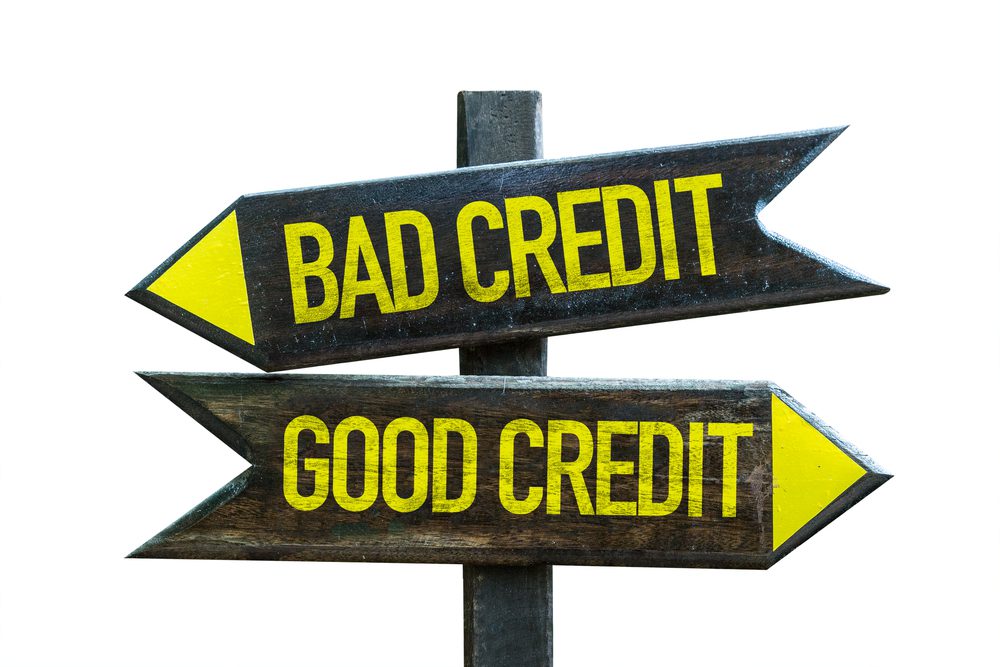
Can I Get Alternative Business Funding With Bad Credit?
A low credit score closes some doors. It does not close all of them. If you’ve been turned down for a business loan because of your credit score, you’re not alone, and you’re not out of options. According to the Federal Reserve’s 2024 Small Business Credit Survey, 29 percent of business loan applicants were denied…
-
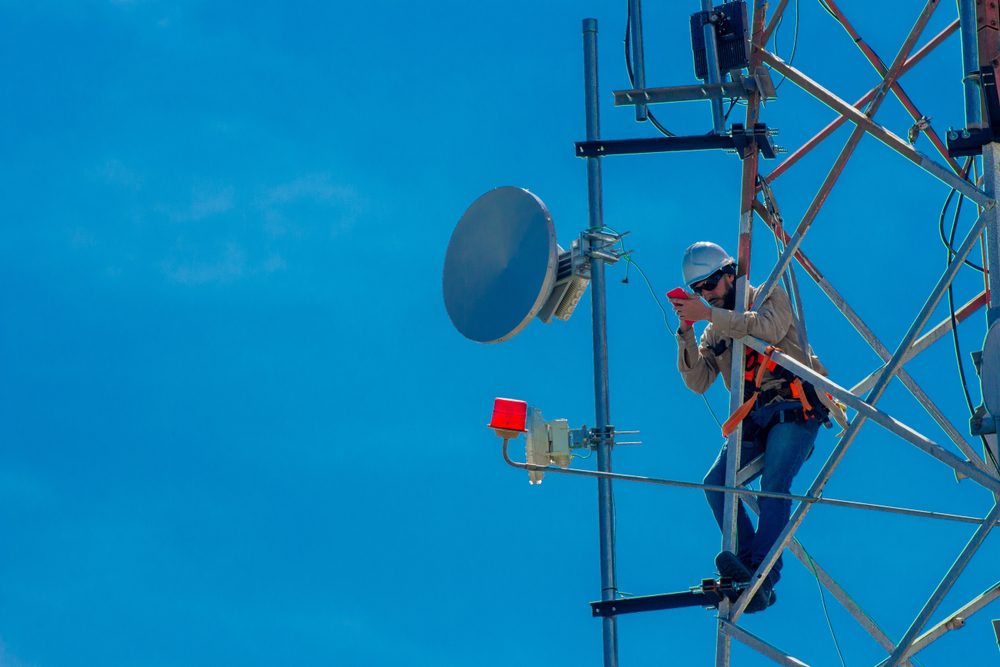
Industry Spotlight: Alternative Financing for Telecommunications Contractors
Telecommunications contractors build and maintain the infrastructure that carries voice, data, and broadband across commercial buildings, residential developments, and public networks. Tower erection, fiber optic installation, underground conduit work, distributed antenna systems, and last-mile broadband deployment all move through contractors who mobilize crews, procure materials, and begin work weeks or months before the billing cycle…
-
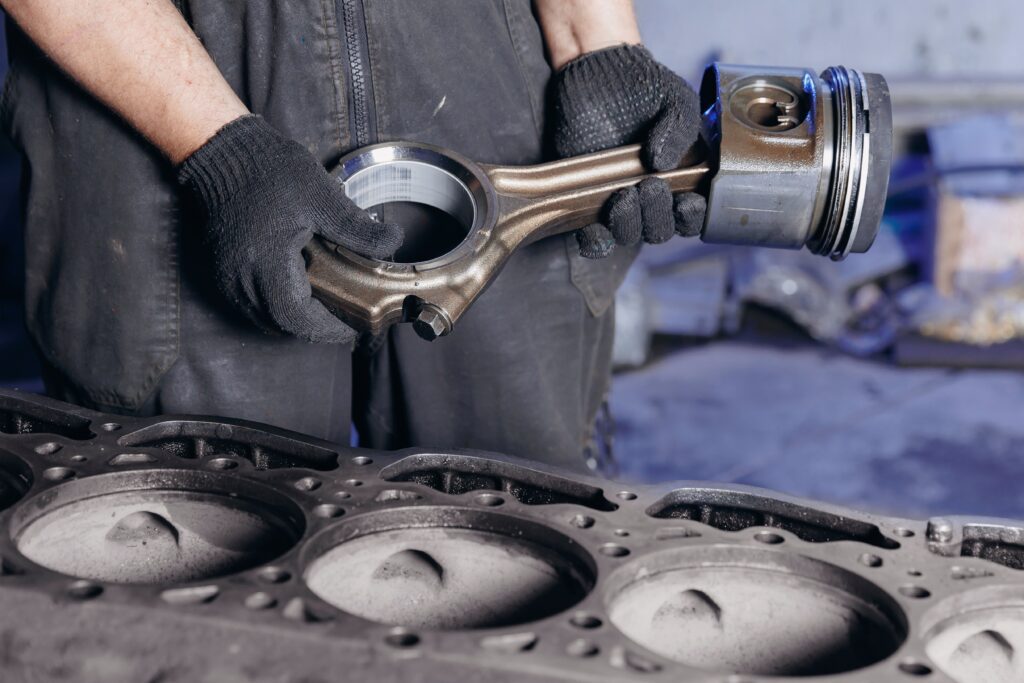
Industry Spotlight: Alternative Financing for Truck and Auto Parts Distributors
Truck and auto parts distributors supply the components that keep commercial fleets, repair shops, dealerships, and municipal vehicle operations on the road. OEM and aftermarket parts move from manufacturers through distributors to fleet operators, trucking companies, commercial repair facilities, and government vehicle maintenance operations, and those buyers expect fast delivery and reliable inventory availability. The…
-
Industry Spotlight: Alternative Financing for Electrical Equipment Distributors
Electrical equipment distributors supply the components that keep construction projects moving and industrial facilities running. Switchgear, transformers, breakers, panels, wiring, conduit, motors, and lighting products move from manufacturers through distributors to electrical contractors, construction companies, industrial plants, utilities, and municipalities. The distributor sits in the middle of that supply chain, purchasing inventory from manufacturers on…