Industry Spotlight: Alternative Financing for Industrial and Commercial Maintenance Companies
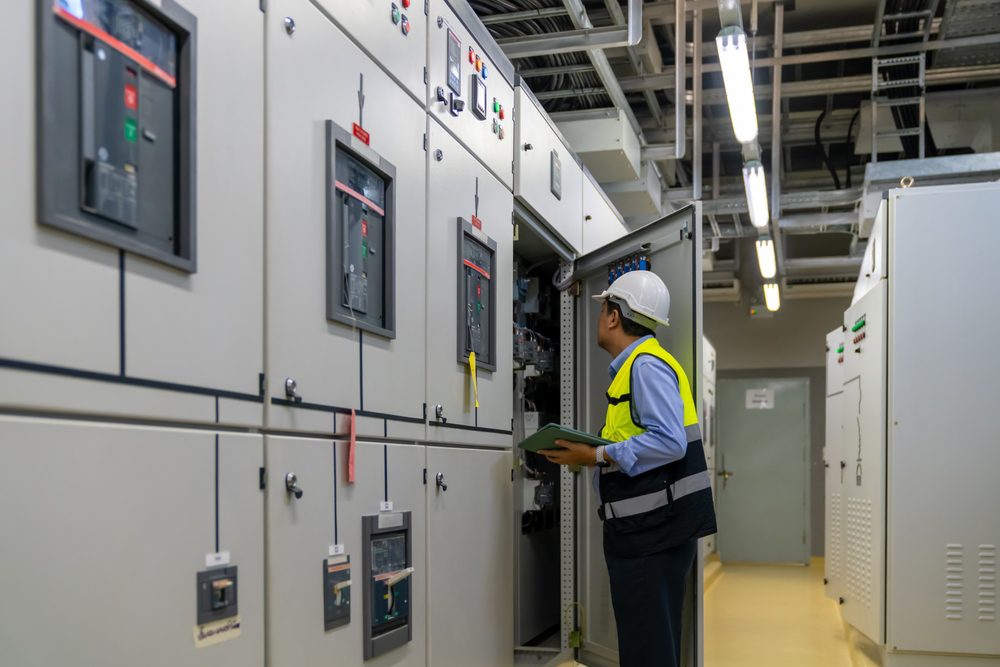
Industrial and commercial maintenance companies keep facilities running. HVAC contractors, electrical maintenance firms, plumbing service companies, building maintenance providers, and industrial equipment service operations all share a common business structure in which they provide skilled labor and materials to commercial and industrial clients on contract or call-out basis, invoice for that work, and wait on the client’s accounts payable cycle to collect. The work is essential, the clients are creditworthy, and the cash flow gap between completing service and receiving payment is a persistent feature of the industry.
The Cash Flow Structure of Maintenance Services
Maintenance companies carry their costs in real time. A commercial HVAC contractor dispatching a crew to a manufacturing facility pays those technicians at the end of the week regardless of when the facility’s accounts payable department processes the invoice. A building maintenance company holding a contract with a property management group orders parts and materials for scheduled work before the billing period closes, and does not invoice until the work is complete.
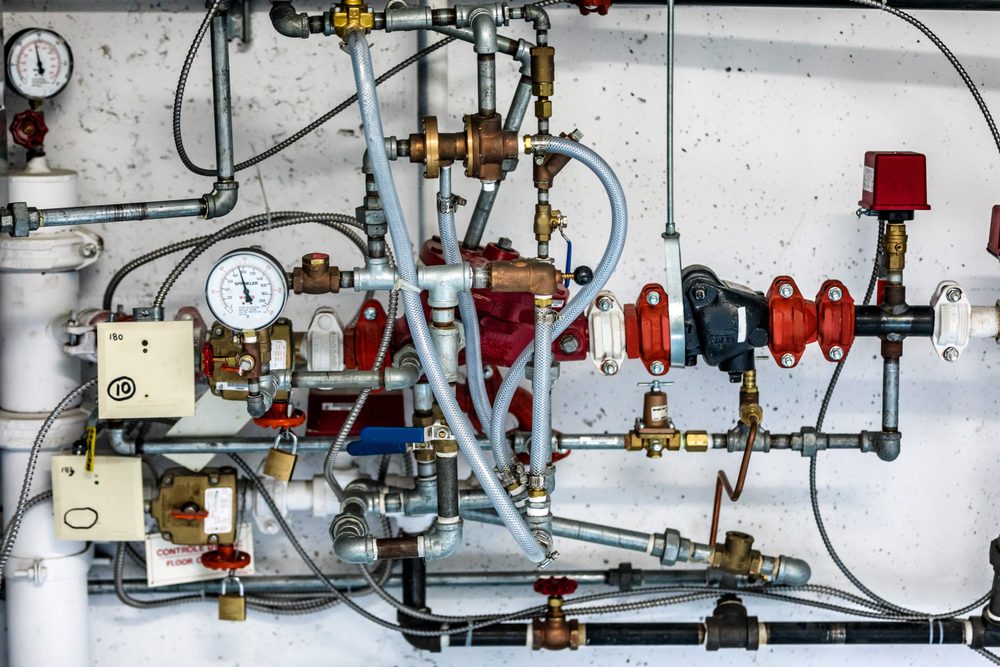
Service contracts with commercial and institutional clients run on monthly billing cycles with payment terms of net-30 to net-60. A maintenance company holding ten active service contracts across a mix of property managers, manufacturers, and government facilities may have four to eight weeks of completed, invoiced work outstanding at any given time while crew wages, parts, vehicles, and insurance run on a schedule that does not pause for client billing cycles.
Emergency and unscheduled repair work adds a layer of unpredictability. A maintenance company that responds to an after-hours call at a hospital or a production stoppage at a manufacturing plant commits labor and parts on short notice. The invoice goes out after the fact, and the client often pays it on their standard terms regardless of the urgency that created the service call.
Accounts Receivable Financing for Maintenance Companies
AR financing converts outstanding service invoices into working capital without waiting on the client’s payment schedule. For a commercial HVAC contractor or a building maintenance company that has completed a billing period and submitted invoices to its clients, AR financing advances a percentage of those invoices

within days, giving the business cash to cover crew wages, parts purchases, and vehicle costs before the checks arrive.
The account debtor quality in commercial maintenance is strong. Property management companies, hospitals, manufacturing facilities, schools, and government agencies are creditworthy
institutions whose payment obligations a financing company can assess with confidence. A maintenance company working for that caliber of client can access AR financing based on the strength of those relationships rather than on the company’s own balance sheet.
For maintenance companies with recurring contract billing, AR financing provides a consistent and predictable source of working capital that scales with invoice volume as the company adds new service contracts.
Invoice Factoring for Maintenance Companies
Invoice factoring gives maintenance companies a way to sell completed service invoices to a factoring company in exchange for an immediate advance. The factoring company collects from the property manager, facility operator, or institutional client when payment comes due, and remits the remaining balance minus its fee. The maintenance company receives working capital tied to completed work rather than waiting through the client’s net-30 or net-60 cycle.
Factoring suits maintenance companies that are growing their contract base, carrying more active service agreements than their cash position can bridge, or operating in a segment where institutional clients push payment terms toward the longer end of the range. Because factoring approval rests on the creditworthiness of the clients paying the invoices, a maintenance company with strong institutional client relationships can access factoring regardless of the size of its own balance sheet or the length of its credit history.
What This Means for Industrial and Commercial Maintenance Companies
The cash flow gap in maintenance services is predictable and recurring. Crews are paid weekly, parts are purchased as jobs require them, and client payment arrives 30 to 60 days after the invoice goes out. Alternative financing tools built around service invoices and fleet assets give maintenance companies a way to bridge that gap on a consistent basis rather than managing it through a conventional credit line that may not flex with the company’s contract volume.
CapitalNetwork works with industrial and commercial maintenance companies to identify the right financing structure for the way the business operates. If outstanding invoices are running ahead of cash receipts or a new service contract requires investment before the first billing cycle, this is the right time to explore what AR financing, factoring, and other forms of alternative financing can do for your cash flow.
Latest Blogs
-

Can I Get Alternative Business Funding With Bad Credit?
A low credit score closes some doors. It does not close all of them. If you’ve been turned down for a business loan because of your credit score, you’re not alone, and you’re not out of options. According to the Federal Reserve’s 2024 Small Business Credit Survey, 29 percent of business loan applicants were denied…
-
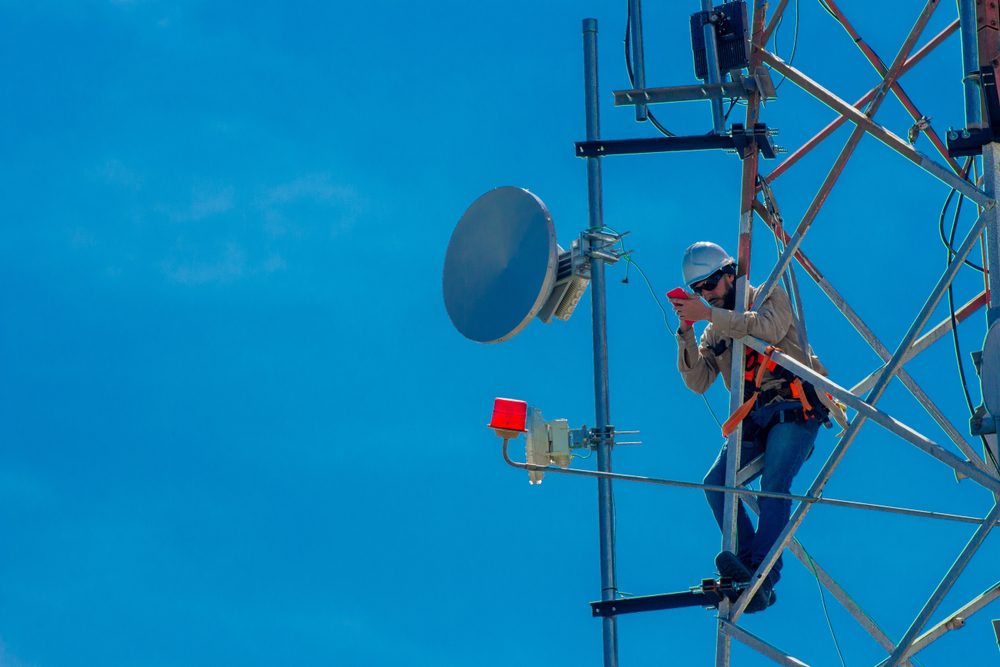
Industry Spotlight: Alternative Financing for Telecommunications Contractors
Telecommunications contractors build and maintain the infrastructure that carries voice, data, and broadband across commercial buildings, residential developments, and public networks. Tower erection, fiber optic installation, underground conduit work, distributed antenna systems, and last-mile broadband deployment all move through contractors who mobilize crews, procure materials, and begin work weeks or months before the billing cycle…
-
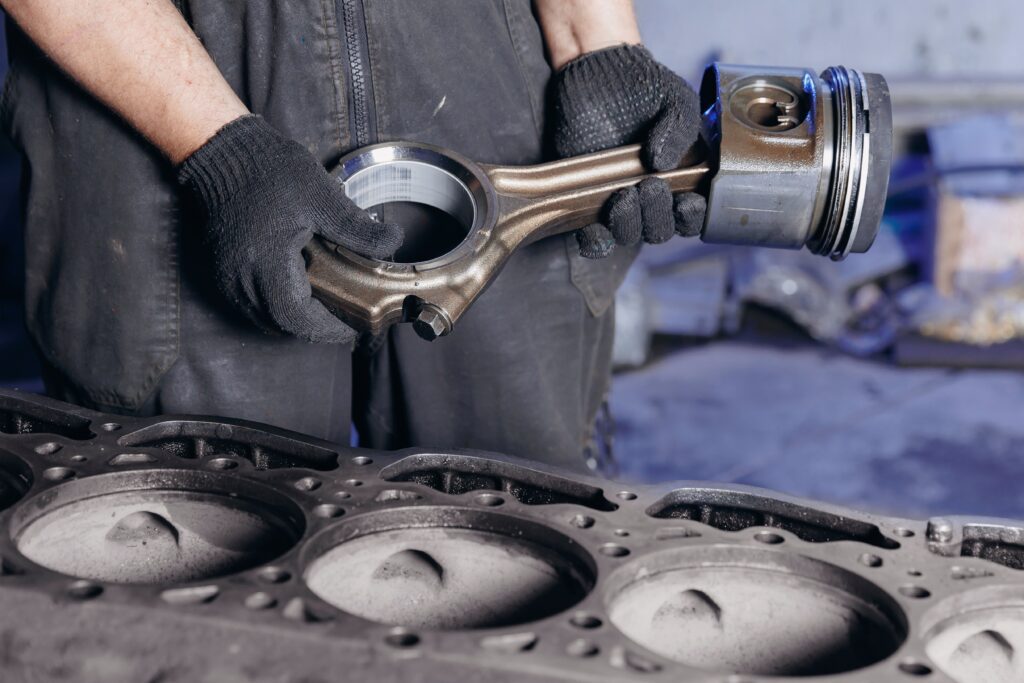
Industry Spotlight: Alternative Financing for Truck and Auto Parts Distributors
Truck and auto parts distributors supply the components that keep commercial fleets, repair shops, dealerships, and municipal vehicle operations on the road. OEM and aftermarket parts move from manufacturers through distributors to fleet operators, trucking companies, commercial repair facilities, and government vehicle maintenance operations, and those buyers expect fast delivery and reliable inventory availability. The…
-
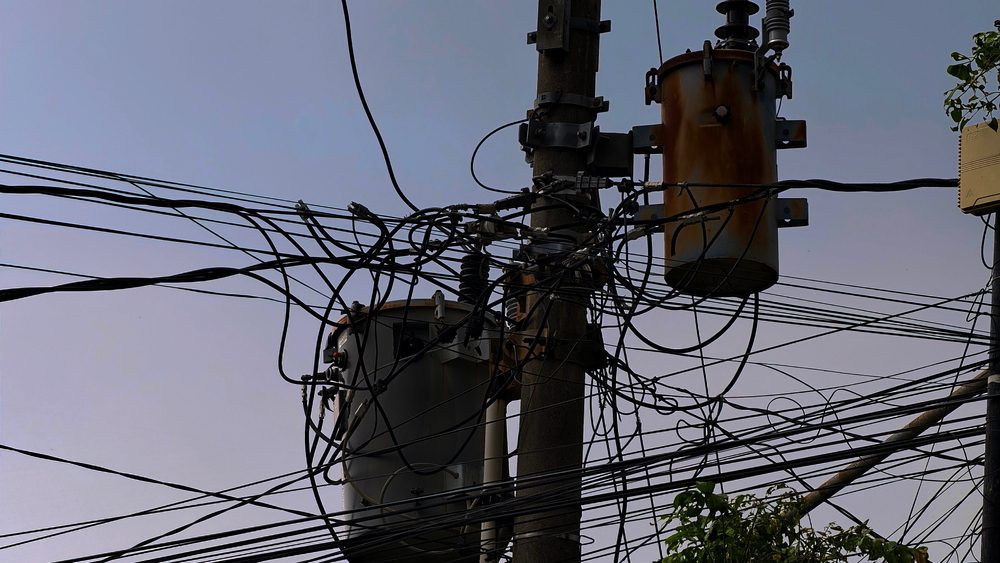
Industry Spotlight: Alternative Financing for Electrical Equipment Distributors
Electrical equipment distributors supply the components that keep construction projects moving and industrial facilities running. Switchgear, transformers, breakers, panels, wiring, conduit, motors, and lighting products move from manufacturers through distributors to electrical contractors, construction companies, industrial plants, utilities, and municipalities. The distributor sits in the middle of that supply chain, purchasing inventory from manufacturers on…