
Industry Spotlight: Alternative Financing for Roustabout Services
Roustabout service companies provide the general labor that keeps oilfield operations moving. Rigging up and rigging down equipment, painting and maintenance work, cleaning and housekeeping on drilling rigs and production facilities, moving pipe and equipment, and supporting specialized oilfield crews are all part of the roustabout work scope.
These companies serve drilling contractors, operators, and production facility managers across active oilfield regions, and they do it while absorbing crew wages and operating costs that run ahead of the field tickets and invoices they submit after the work is complete.
The Cash Flow Structure of Roustabout Operations
Roustabout work is a labor business. The primary cost is the crew, and crew wages run weekly regardless of where the month’s invoices sit in an operator’s or drilling contractor’s accounts payable queue. A roustabout company dispatching ten hands to a rig site pays those workers at the end of the week whether the field ticket from that job has been approved, invoiced, or paid.
Field tickets in oilfield services move through an approval process before they convert to an invoice, and that process adds time between completing the work and submitting the billing. Once the invoice goes out, the customer’s payment timeline adds another 30 to 60 days on the favorable end, and net-90 is not unusual for larger operators running high-volume service programs. A roustabout company running multiple crews across several customers can carry weeks of completed, approved work in outstanding receivables while the payroll clock continues without pause.
Accounts Receivable Financing for Roustabout Companies
AR financing converts approved field tickets and outstanding invoices into working capital without waiting on the operator’s or drilling contractor’s payment cycle. A roustabout company that has submitted invoices to a drilling contractor or an operator can receive an advance against those invoices within days, giving the business cash to cover crew wages and operating costs while the customer’s payment runs its course.
The creditworthiness of the account debtor supports the advance. Drilling contractors and oil and gas operators are established industrial companies whose payment obligations a financing company can assess with knowledge of the sector. A roustabout company whose customers include established drilling contractors or production operators has account debtors that support a sound advance regardless of the roustabout company’s own balance sheet.

AR financing scales with invoice volume. When work is active and field tickets are flowing, the working capital available through the program grows with the billing. When activity slows, the program adjusts with the business rather than holding the company to a fixed credit obligation against a prior period’s revenue.
Invoice Factoring for Roustabout Services
Invoice factoring gives roustabout companies a way to sell completed invoices and approved field tickets to a factoring company in exchange for an immediate advance. The factoring company collects from the drilling contractor or operator when payment comes due and remits the remaining balance minus its fee. The roustabout company receives working capital tied to work it has already performed rather than waiting through the customer’s payment cycle.
Factoring is a strong fit for roustabout operations at every stage of growth, including owner-operators running small crews and growing companies managing multiple rig site deployments. Because the factoring approval centers on the creditworthiness of the drilling contractor or operator paying the invoices, a roustabout company with strong customer relationships can access factoring regardless of the length of its own operating history or the depth of its balance sheet.
For companies whose customers include multiple drilling contractors and operators with different payment timelines, factoring provides a single working capital solution that covers the full receivables portfolio without requiring a separate financing arrangement for each customer relationship.
Equipment and Fleet Financing
Roustabout companies invest in service trucks, trailers, and safety and rigging equipment that keep their crews mobile and operational. Equipment financing spreads those acquisition costs over time, preserving operating liquidity for payroll and consumables during the periods when those demands are highest.

For companies that own their fleet outright, sale-leaseback arrangements convert that equipment equity into working capital while the vehicles and tools remain in service. A roustabout company heading into a slow patch with owned equipment can unlock a portion of that asset value to bridge the gap rather than drawing down reserves or cutting crew capacity at the moment the business needs to stay ready for the next upturn in activity.
What This Means for Roustabout Services Companies
The cash flow challenge in roustabout services is predictable. Crews are paid weekly, work is billed after the fact, and customers pay on schedules that lag the pace of payroll by weeks, and AR financing and invoice factoring give roustabout companies a way to convert completed work into cash on a timeline that matches the business rather than the customer’s accounts payable department.
CapitalNetwork works with oilfield service companies across the production cycle to identify the right financing structure for the way the business operates. If outstanding field service invoices are creating payroll pressure or a new rig site deployment requires capital before the first ticket is submitted, this is the right time to have that conversation.
Latest Blogs
-

Can I Get Alternative Business Funding With Bad Credit?
A low credit score closes some doors. It does not close all of them. If you’ve been turned down for a business loan because of your credit score, you’re not alone, and you’re not out of options. According to the Federal Reserve’s 2024 Small Business Credit Survey, 29 percent of business loan applicants were denied…
-
Industry Spotlight: Alternative Financing for Telecommunications Contractors
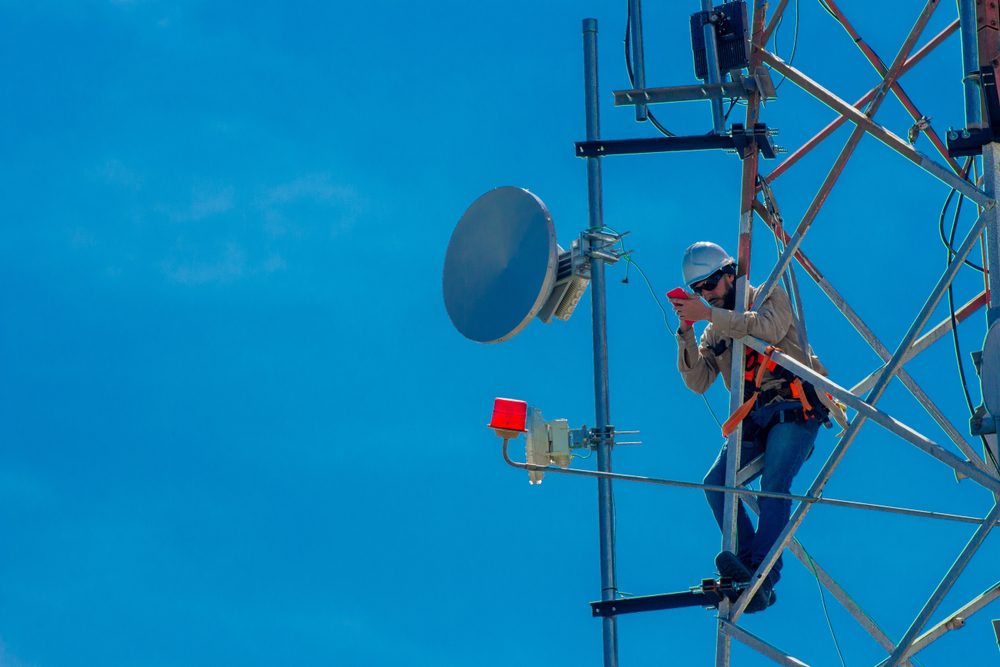
Telecommunications contractors build and maintain the infrastructure that carries voice, data, and broadband across commercial buildings, residential developments, and public networks. Tower erection, fiber optic installation, underground conduit work, distributed antenna systems, and last-mile broadband deployment all move through contractors who mobilize crews, procure materials, and begin work weeks or months before the billing cycle…
-
Industry Spotlight: Alternative Financing for Truck and Auto Parts Distributors
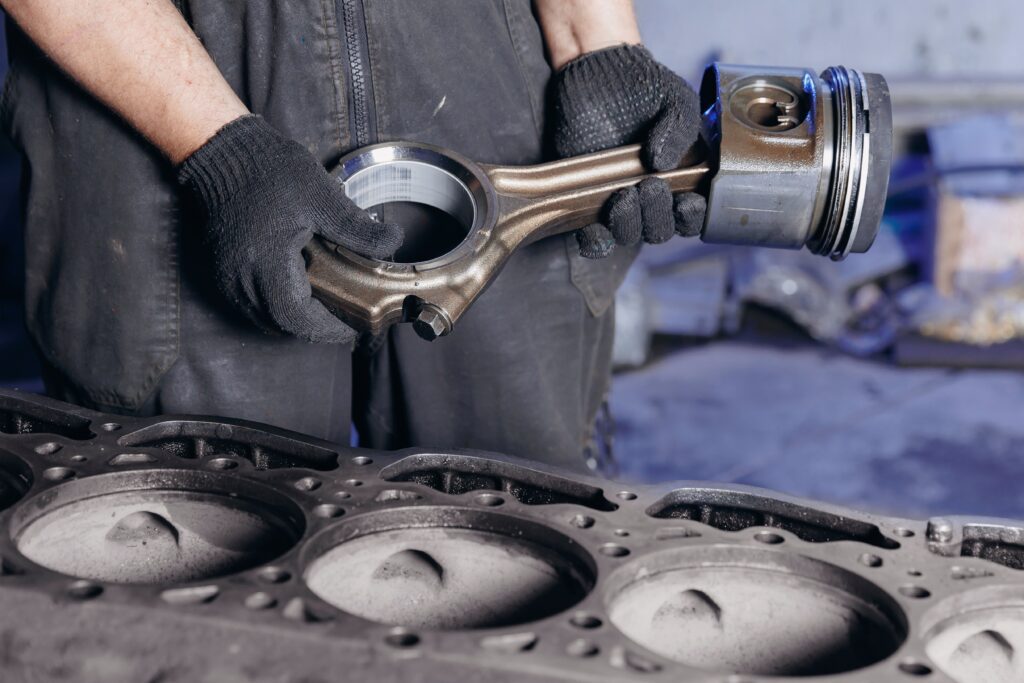
Truck and auto parts distributors supply the components that keep commercial fleets, repair shops, dealerships, and municipal vehicle operations on the road. OEM and aftermarket parts move from manufacturers through distributors to fleet operators, trucking companies, commercial repair facilities, and government vehicle maintenance operations, and those buyers expect fast delivery and reliable inventory availability. The…
-
Industry Spotlight: Alternative Financing for Electrical Equipment Distributors
Electrical equipment distributors supply the components that keep construction projects moving and industrial facilities running. Switchgear, transformers, breakers, panels, wiring, conduit, motors, and lighting products move from manufacturers through distributors to electrical contractors, construction companies, industrial plants, utilities, and municipalities. The distributor sits in the middle of that supply chain, purchasing inventory from manufacturers on…