Industry Spotlight: Alternative Financing for Semiconductor Manufacturers
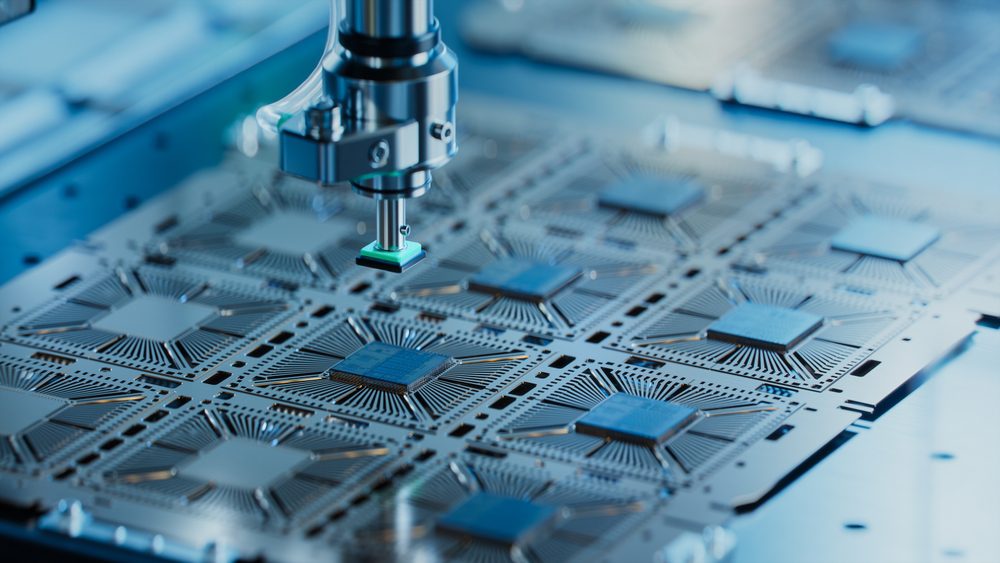
Semiconductor manufacturers supply the components that make modern electronics, industrial equipment, defense systems, and automotive technology function. Smaller and mid-sized semiconductor companies, including specialty chip manufacturers, compound semiconductor producers, MEMS device makers, and custom foundries, serve large, creditworthy customers in industries that depend on a reliable supply of precision components.
The work requires significant upfront investment in materials, production time, and clean room operations, and the payment arrives on the customer’s schedule, which can run 30 to 60 days from the invoice date. That gap between production cost and payment receipt is where alternative financing becomes a practical tool.
The Cash Flow Structure of Semiconductor Manufacturing
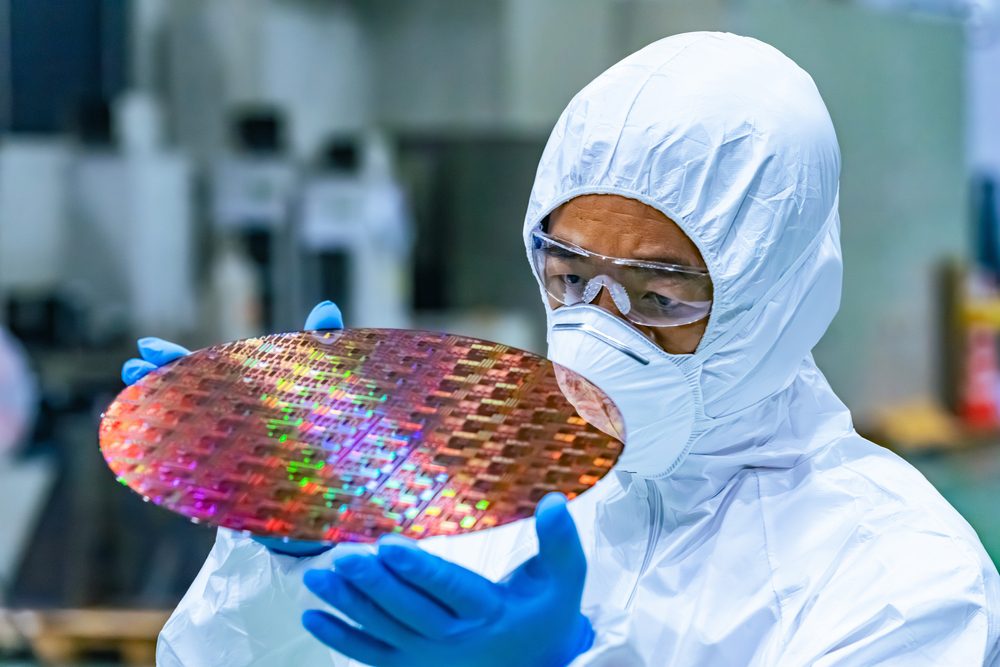
Semiconductor production is front-loaded with cost. Before a wafer reaches the end of the production line, it has passed through dozens of process steps, each requiring specialty gases, chemicals, photomasks, and equipment time in a controlled environment. Materials for a production run are purchased and consumed before the finished components ship to the customer, and the invoice goes out on or after delivery.
Lead times in semiconductor manufacturing can run from weeks to months depending on the complexity of the device and the capacity of the production line. A company running a specialty device for an industrial or defense customer may spend eight to twelve weeks in production before shipping and invoicing, and then wait another 30 to 60 days for the customer to process payment.
Accounts Receivable Financing for Semiconductor Manufacturers
AR financing converts outstanding invoices into working capital without waiting on the OEM’s or defense contractor’s payment cycle. A semiconductor manufacturer that has shipped a completed order and submitted an invoice can receive an advance against that receivable within days rather than waiting 60 days for the customer’s accounts payable department to process payment.
The creditworthiness of the account debtor supports the advance. Electronics OEMs, defense prime contractors, automotive manufacturers, and industrial equipment companies are established buyers whose payment obligations a financing company can evaluate with confidence. A semiconductor manufacturer invoicing that caliber of customer can access AR financing based on the strength of those buyer relationships rather than on the company’s own balance sheet or R&D spending profile.
For companies with multiple active production runs generating invoices against different customers with different payment timelines, AR financing provides a working capital source that scales with shipment volume and adjusts as the customer mix and order cadence evolves.
Invoice Factoring for Semiconductor Manufacturers
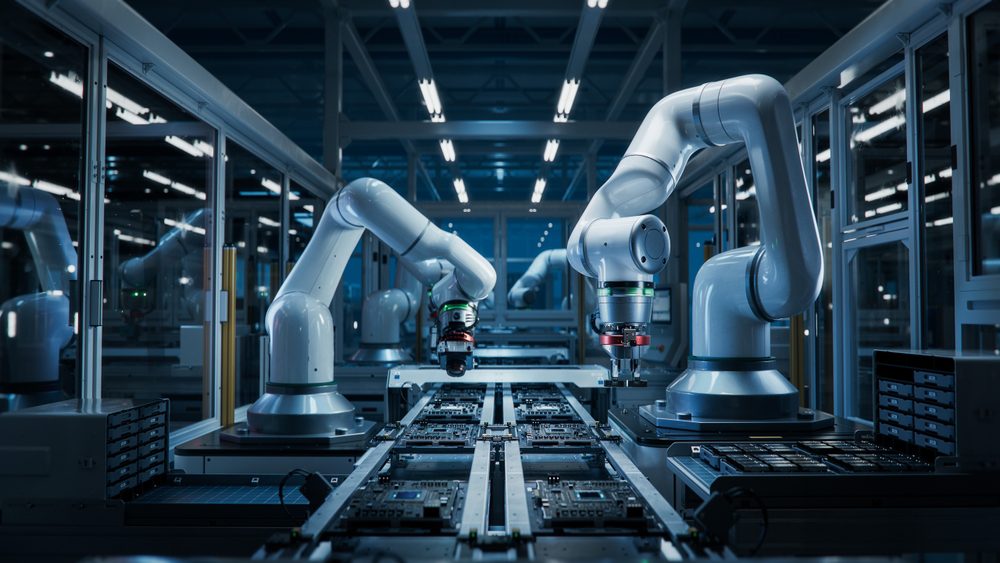
Invoice factoring gives semiconductor manufacturers a way to sell completed invoices to a factoring company in exchange for an immediate advance. The factoring company collects from the OEM, defense contractor, or industrial customer when payment comes due and remits the remaining balance minus its fee. The manufacturer receives working capital tied to delivered components rather than waiting through the customer’s payment cycle.
Factoring suits semiconductor manufacturers that are growing their production capacity, carrying large orders that strain their cash position between production runs, or working with customers whose payment terms push toward the longer end of the range. Because factoring approval centers on the creditworthiness of the customer paying the invoice, a semiconductor company with strong buyer relationships can access factoring regardless of how its own financial profile reads to a conventional lender.
For companies managing long production cycles that generate infrequent but large invoices, factoring gives the business a working capital injection at the point of shipment rather than requiring it to carry the full production cost through the customer’s payment period.
Purchase Order Financing for Large Production Runs

Some semiconductor manufacturers face a capital need that precedes any invoice. A company receiving a large purchase order from a defense contractor or an OEM may need to acquire materials and reserve clean room capacity before the production run begins, which can require capital that the business does not have available from operating cash alone.
Purchase order financing advances working capital against a confirmed purchase order, allowing the manufacturer to acquire the materials and begin production without straining its existing credit capacity. When the production run ships and an invoice is generated, the transaction can transition to AR financing or factoring, creating a funding sequence that carries the business from order receipt through final payment.
Equipment Financing for Clean Room Operations
Semiconductor manufacturing equipment is among the most expensive capital investment in any manufacturing sector. Equipment financing allows manufacturers to acquire or upgrade production systems without absorbing the full cost against operating cash. Sale-leaseback arrangements give manufacturers that own their equipment outright a way to convert that asset value into working capital while retaining full operational use of the systems in production.
For a company investing in additional capacity to meet a new customer’s volume requirements, equipment financing preserves the operating liquidity needed to fund materials and production while the new revenue ramps up.
What This Means for Semiconductor Manufacturers
CapitalNetwork works with manufacturers across the technology and industrial sectors to identify the right financing structure for the way the business produces, ships, and collects. If your invoice volume is outpacing your working capital or a new customer order requires material investment before production begins, this is the right time to explore what AR financing and factoring can do for your operation.
Latest Blogs
-

Can I Get Alternative Business Funding With Bad Credit?
A low credit score closes some doors. It does not close all of them. If you’ve been turned down for a business loan because of your credit score, you’re not alone, and you’re not out of options. According to the Federal Reserve’s 2024 Small Business Credit Survey, 29 percent of business loan applicants were denied…
-
Industry Spotlight: Alternative Financing for Telecommunications Contractors
Telecommunications contractors build and maintain the infrastructure that carries voice, data, and broadband across commercial buildings, residential developments, and public networks. Tower erection, fiber optic installation, underground conduit work, distributed antenna systems, and last-mile broadband deployment all move through contractors who mobilize crews, procure materials, and begin work weeks or months before the billing cycle…
-

Industry Spotlight: Alternative Financing for Truck and Auto Parts Distributors
Truck and auto parts distributors supply the components that keep commercial fleets, repair shops, dealerships, and municipal vehicle operations on the road. OEM and aftermarket parts move from manufacturers through distributors to fleet operators, trucking companies, commercial repair facilities, and government vehicle maintenance operations, and those buyers expect fast delivery and reliable inventory availability. The…
-
Industry Spotlight: Alternative Financing for Electrical Equipment Distributors
Electrical equipment distributors supply the components that keep construction projects moving and industrial facilities running. Switchgear, transformers, breakers, panels, wiring, conduit, motors, and lighting products move from manufacturers through distributors to electrical contractors, construction companies, industrial plants, utilities, and municipalities. The distributor sits in the middle of that supply chain, purchasing inventory from manufacturers on…