Industry Spotlight: Alternative Financing for Pipeline and Utility Construction Contractors
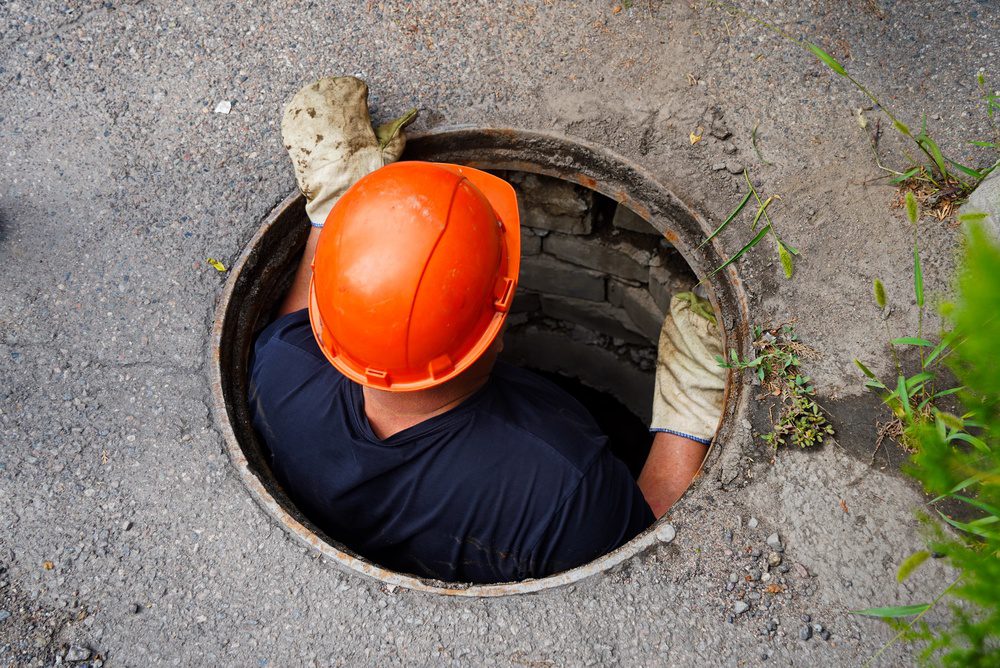
Pipeline and utility construction contractors build the infrastructure that moves energy, water, and communications across cities, states, and regions. These are skilled, capital-intensive operations that work under contracts with gas utilities, electric companies, municipal water authorities, and energy producers.
The contracts are large, the equipment is expensive, and the payment cycle runs on schedules set by owners and agencies that have no particular urgency to match the pace at which the contractor’s costs accumulate.
How the Money Moves in Pipeline and Utility Work
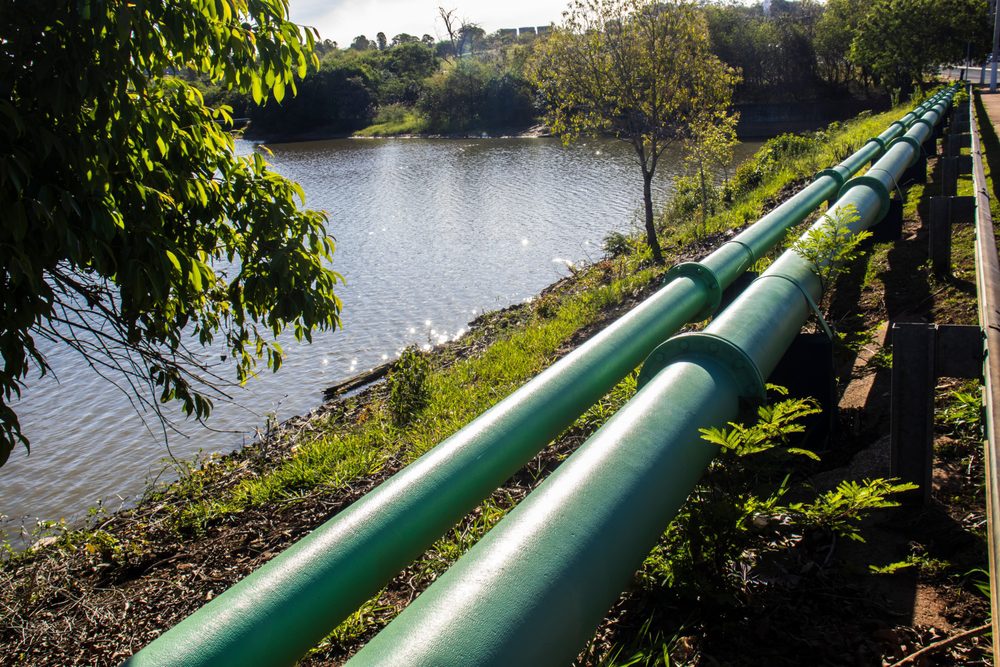
Pipeline and utility construction billing follows the same monthly pay application structure that governs most commercial subcontract work. The contractor mobilizes, puts crews in the field, purchases pipe, conduit, fittings, and materials, and submits a pay application at the end of each billing period. The utility, the energy company, or the municipal authority reviews the application and issues payment 30 to 60 days after that.
Materials in this work are purchased well before they are installed and billed. A pipeline contractor laying a gas distribution line buys pipe and fittings from the supplier before a trench is cut. A utility contractor installing underground electrical conduit moves product from the supplier to the job site before a single foot of conduit goes in the ground. In both cases, the material cost is real and current while the corresponding invoice is weeks away from being submitted.
Factoring as a Working Capital Tool for Pipeline Contractors
Invoice factoring is a natural fit for pipeline and utility contractors whose pay applications are owed by creditworthy utility companies, energy producers, and municipal authorities. The contractor sells a completed pay application to a factoring company and receives an advance against it within days rather than waiting through the owner’s review and payment process.

The factoring decision rests on the creditworthiness of the owner on the other side of the pay application. Electric utilities, gas distribution companies, water authorities, and municipal governments are established institutions whose payment obligations a factoring company can assess with a high degree of confidence. That gives pipeline and utility contractors access to working capital based on who they work for rather than the size of their own balance sheet or the depth of their credit history.
For contractors whose project portfolio spans multiple owners with different payment timelines, factoring creates a consistent cash flow mechanism across the full billing picture rather than requiring the business to manage each client relationship on its own terms.
AR Financing and the Ongoing Billing Cycle
AR financing addresses the same collection gap as factoring but through a different structure. The contractor retains ownership of the receivable and receives an advance against it, with the transaction settling when the utility or authority pays the invoice. This arrangement works well for contractors who prefer to maintain the customer billing relationship on their own terms or whose owners would find the notification that comes with a standard factoring arrangement sensitive.
For contractors with steady, recurring monthly billing across active project portfolios, AR financing provides a working capital facility that scales with billing volume without requiring a limit increase request or a credit renegotiation when a busy month generates more invoices than a slower one. That built-in flexibility is one of the reasons AR financing suits contractors managing multiple projects at different stages of completion.
Underground Work Requires Above-Ground Capital
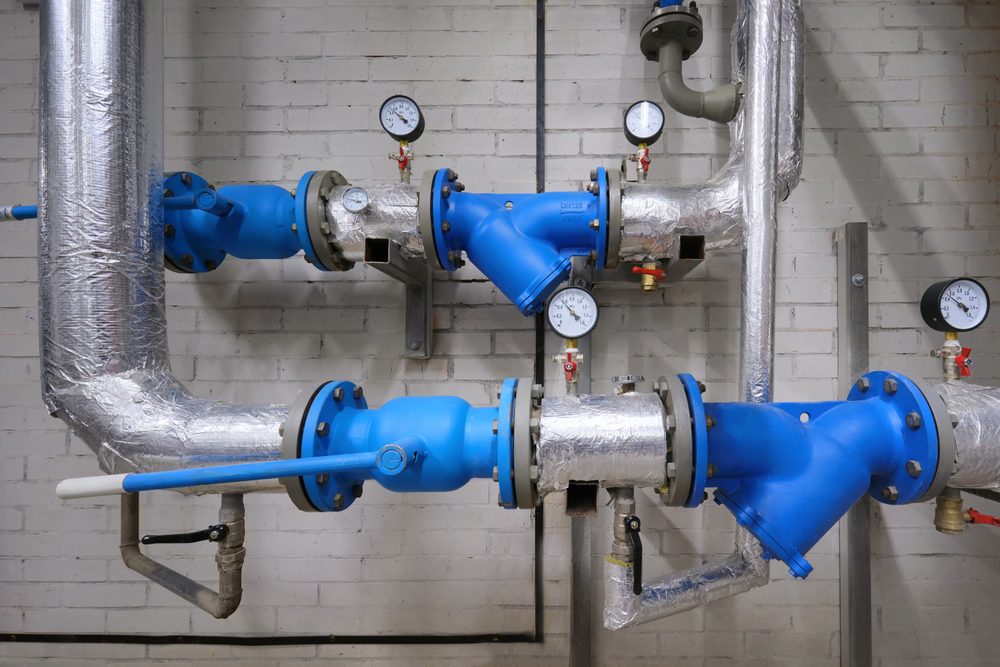
The equipment required in pipeline and utility construction is specialized and expensive. Horizontal directional drilling rigs, vacuum excavation trucks, excavators, boring equipment, and fusion machines represent significant capital that wears out in demanding underground environments. Equipment financing allows contractors to add or replace production assets without diverting cash from materials purchasing or payroll.
Sale-leaseback arrangements give contractors who own their equipment the option of converting that fleet equity into working capital without pulling machines out of service. For a contractor entering a capital-intensive project phase or expanding into a new service area, that conversion can provide the liquidity needed to staff up and mobilize without drawing down reserves.
A Different Way to Look at the Problem
The cash flow challenge in pipeline and utility construction is not a sign that the business is struggling. Projects are active, applications are being submitted, and the billing cycle is doing what it does in every construction subcontract relationship, and the question is whether the contractor is funding that cycle out of pocket or using a financing tool designed for earned-but-uncollected revenue.
CapitalNetwork connects pipeline and utility contractors with the factoring and AR financing programs that fit the scale and structure of their project work. Tell us about your billing cycle and we can help you identify where the right financing tool fits in.
Latest Blogs
-
Can I Get Alternative Business Funding With Bad Credit?
A low credit score closes some doors. It does not close all of them. If you’ve been turned down for a business loan because of your credit score, you’re not alone, and you’re not out of options. According to the Federal Reserve’s 2024 Small Business Credit Survey, 29 percent of business loan applicants were denied…
-
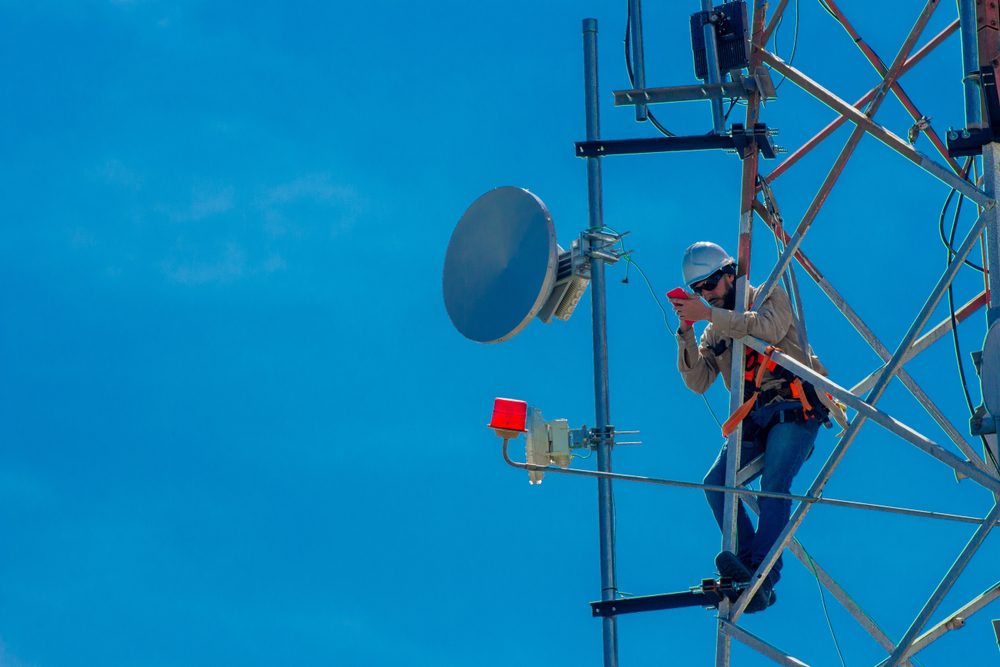
Industry Spotlight: Alternative Financing for Telecommunications Contractors
Telecommunications contractors build and maintain the infrastructure that carries voice, data, and broadband across commercial buildings, residential developments, and public networks. Tower erection, fiber optic installation, underground conduit work, distributed antenna systems, and last-mile broadband deployment all move through contractors who mobilize crews, procure materials, and begin work weeks or months before the billing cycle…
-

Industry Spotlight: Alternative Financing for Truck and Auto Parts Distributors
Truck and auto parts distributors supply the components that keep commercial fleets, repair shops, dealerships, and municipal vehicle operations on the road. OEM and aftermarket parts move from manufacturers through distributors to fleet operators, trucking companies, commercial repair facilities, and government vehicle maintenance operations, and those buyers expect fast delivery and reliable inventory availability. The…
-
Industry Spotlight: Alternative Financing for Electrical Equipment Distributors
Electrical equipment distributors supply the components that keep construction projects moving and industrial facilities running. Switchgear, transformers, breakers, panels, wiring, conduit, motors, and lighting products move from manufacturers through distributors to electrical contractors, construction companies, industrial plants, utilities, and municipalities. The distributor sits in the middle of that supply chain, purchasing inventory from manufacturers on…