
Industry Spotlight: Alternative Financing for Food Distributors
Food distributors move product from manufacturers, farms, and processors to the restaurants, grocery chains, institutional buyers, and food service operations that feed people every day. The margins are thin, the inventory is perishable, and the cash flow structure runs in two directions at once.
Suppliers want payment on short terms, shorter than the thirty to sixty days that grocery chains and institutional buyers take to pay their invoices. A food distributor working both sides of that timing gap is extending credit to its buyers while managing supplier obligations that arrive on a faster clock.

Invoice Factoring for Food Distributors
Invoice factoring converts food delivery invoices into immediate working capital by selling those receivables to a factoring company. The distributor submits an invoice after delivery, receives an advance within a day or two, and uses that capital to fund the next round of purchasing before the buyer’s payment arrives. The factoring company collects from the grocery chain, the restaurant group, or the institutional buyer when payment comes due and returns the remaining balance minus its fee.
The creditworthiness of the buyer anchors the factoring advance. Regional and national grocery chains, large restaurant groups, hospital systems, and school districts are established account debtors whose payment obligations a factoring company can evaluate with confidence. A food distributor whose route includes those kinds of buyers can access factoring based on the strength of those buyer relationships rather than on its own balance sheet, which matters when margins are thin and equity is tied up in refrigerated trucks and cold storage infrastructure rather than cash.
For distributors managing high delivery volumes with invoices going out daily or weekly across a large buyer base, factoring creates a cash conversion rhythm that matches the purchasing cycle rather than the buyer’s accounts payable schedule.
AR Financing and the Purchasing Cycle
AR financing addresses the supplier funding gap through a structure that keeps the receivable on the distributor’s books. The distributor advances against outstanding buyer invoices, receives working capital within days, and repays the advance when the buyer’s payment clears. For distributors with established buyer relationships and recurring weekly delivery routes, AR financing provides a working capital facility that scales with delivery volume across the full route book.

The practical value in food distribution is the ability to pay suppliers on their terms without waiting for buyer payments to fund those obligations. A distributor that can advance against its outstanding receivables when a supplier invoice comes due is a distributor that can maintain its supply relationships and its purchasing terms without stretching either side of the transaction.
Both factoring and AR financing address the perishable inventory problem at its source. Rather than carrying the full gap between supplier payment and buyer collection out of operating cash, the distributor converts buyer receivables into the capital that funds supplier payments.
Cold Chain Equipment Financing
Refrigerated trucks, temperature-controlled storage, and cold chain handling equipment are non-negotiable capital requirements for food distribution. A refrigerated truck that fails during peak delivery season is a spoilage event and a customer service failure at the same time.

Equipment financing allows food distributors to replace or expand refrigerated fleet capacity without a single large capital outlay competing with the cash needed to fund daily purchasing. Sale-leaseback arrangements give distributors that own their refrigerated fleet outright a way to convert that equipment equity into working capital while the trucks remain on the delivery route. For a distributor entering a growth phase that requires additional cold storage capacity or route vehicles, equipment financing provides a path to that investment without pulling capital away from inventory purchasing.
The Bottom Line for Food Distributors
Running a food distribution business at scale requires capital moving in two directions on two different timelines. Factoring and AR financing give distributors a way to bridge the gap between what suppliers need today and what buyers will pay in sixty days, without betting the purchasing cycle on the assumption that timing will work out on its own.
CapitalNetwork works with food and specialty product distributors to identify the financing structure that fits the volume and the buyer mix of the operation. If supplier payments are coming due before buyer invoices are clearing, bring that conversation to us.
Latest Blogs
-
Can I Get Alternative Business Funding With Bad Credit?
A low credit score closes some doors. It does not close all of them. If you’ve been turned down for a business loan because of your credit score, you’re not alone, and you’re not out of options. According to the Federal Reserve’s 2024 Small Business Credit Survey, 29 percent of business loan applicants were denied…
-
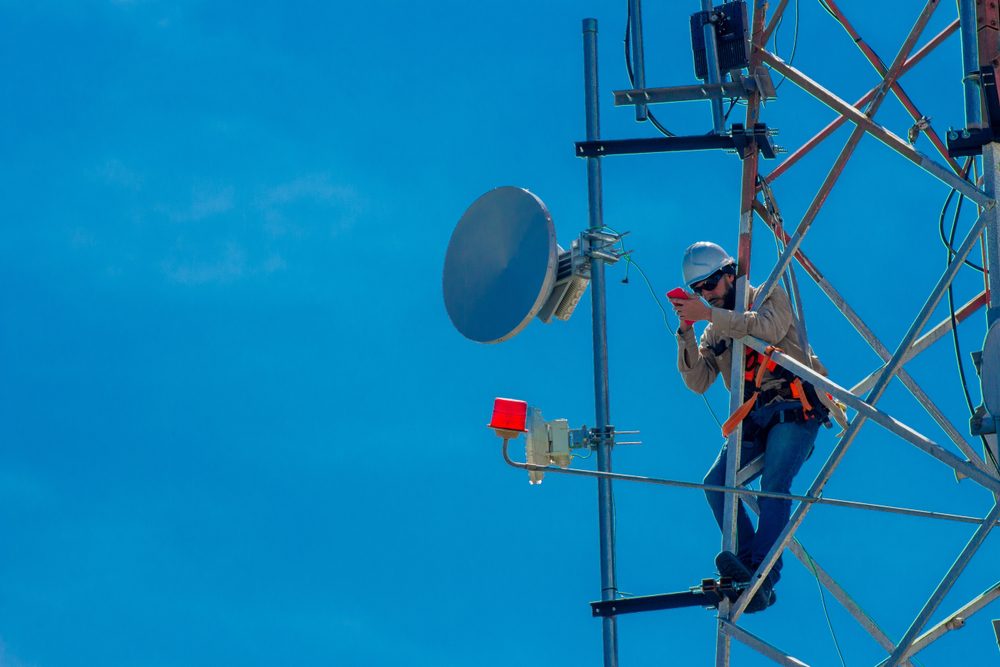
Industry Spotlight: Alternative Financing for Telecommunications Contractors
Telecommunications contractors build and maintain the infrastructure that carries voice, data, and broadband across commercial buildings, residential developments, and public networks. Tower erection, fiber optic installation, underground conduit work, distributed antenna systems, and last-mile broadband deployment all move through contractors who mobilize crews, procure materials, and begin work weeks or months before the billing cycle…
-
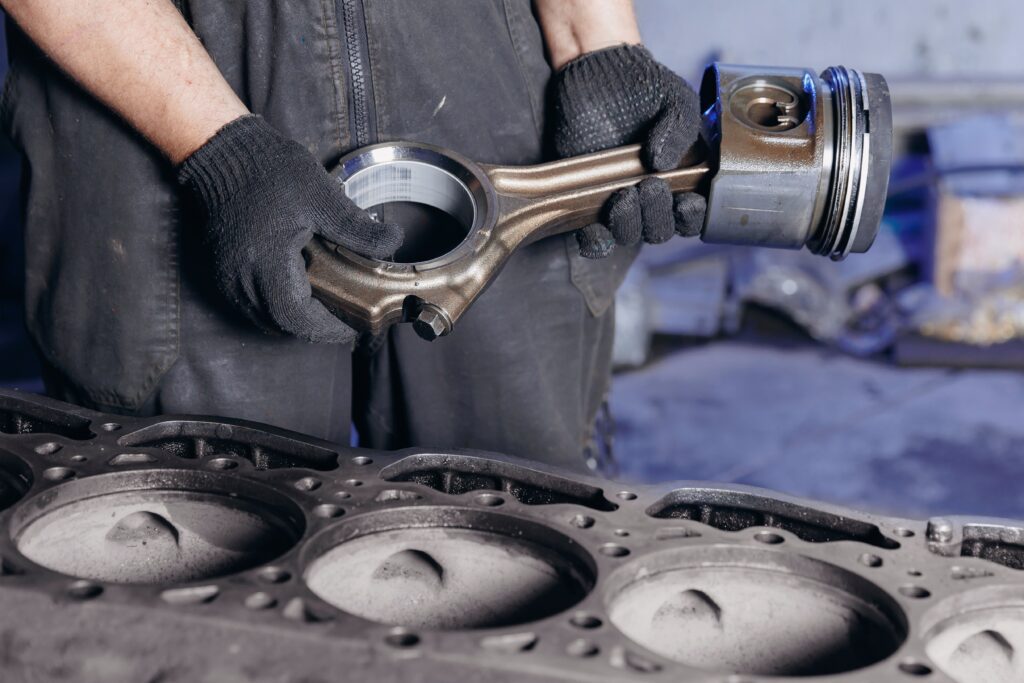
Industry Spotlight: Alternative Financing for Truck and Auto Parts Distributors
Truck and auto parts distributors supply the components that keep commercial fleets, repair shops, dealerships, and municipal vehicle operations on the road. OEM and aftermarket parts move from manufacturers through distributors to fleet operators, trucking companies, commercial repair facilities, and government vehicle maintenance operations, and those buyers expect fast delivery and reliable inventory availability. The…
-
Industry Spotlight: Alternative Financing for Electrical Equipment Distributors
Electrical equipment distributors supply the components that keep construction projects moving and industrial facilities running. Switchgear, transformers, breakers, panels, wiring, conduit, motors, and lighting products move from manufacturers through distributors to electrical contractors, construction companies, industrial plants, utilities, and municipalities. The distributor sits in the middle of that supply chain, purchasing inventory from manufacturers on…