
Industry Spotlight: Alternative Financing for Graphic Design Studios
Graphic design studios and agencies that serve corporate clients, marketing departments, publishers, and retailers operate on a project economy where the product is creative work and the billing cycle is whatever the client’s accounts payable department decides it is.
A design team builds a brand identity, produces a packaging system, or delivers a campaign’s worth of marketing materials and then invoices the client at the end of the project or the end of the month. The design work has been delivered. The client has what they asked for. The invoice sits in a queue for 30 to 60 days while the studio’s payroll and software subscriptions run on a schedule that cares nothing about when the client feels like processing a payment.

How the Billing Cycle Works Against Creative Studios
Design work generates its costs in real time from the first hour a designer sits down on a project. Salaries and contractor fees for senior designers, art directors, and production artists run weekly or biweekly.
Software licenses, stock photography, font licensing, and other production costs accumulate as projects are built. A studio with four active projects in various stages of completion may have weeks of design time invested across all of them before a single invoice reaches a client’s inbox.
Invoice Factoring for Design Studios
Invoice factoring gives graphic design studios a way to convert approved project invoices into immediate cash by selling those receivables to a factoring company. The studio receives an advance on the invoice within days of submission, the factoring company collects from the corporate client when payment comes due, and the studio receives the remaining balance minus the factoring fee. The design team gets paid for completed work without waiting on the client’s billing cycle.

The factoring decision rests on the creditworthiness of the corporate client, not the studio’s own financial profile. Marketing agencies, retailers, publishers, and corporate marketing departments are established account debtors whose payment obligations a factoring company can evaluate with confidence.
A design studio whose client roster includes those kinds of organizations can access factoring based on those relationships, which matters for studios that are newer in business, growing fast, or tired of managing cash flow around clients that take their time paying.
For studios managing multiple active projects with invoices landing at different points in the month, factoring can cover each invoice as it is submitted rather than requiring the studio to carry the full collection period across its entire project portfolio.
AR Financing for Ongoing Client Relationships
AR financing suits design studios with longer-term client relationships and recurring monthly billing. The studio advances against its outstanding invoices without transferring ownership of the receivable, receiving working capital tied to completed work that resolves when the client pays. For studios whose client relationships involve multi-year retainer agreements or ongoing project pipelines, AR financing provides a working capital facility that scales with billing volume as the client base grows.
Some design studios prefer the AR financing structure for the way it manages client communication. In a standard factoring arrangement, the client is notified that the invoice has been assigned and should pay the factoring company rather than the studio. In certain creative agency relationships where the client dynamic is close and ongoing, maintaining control of that communication can matter. AR financing programs that operate on a non-notification basis give studios the option of accessing working capital without introducing a third party into the billing conversation.

Equipment and Technology Financing
High-performance workstations, large-format displays, production printers, and photography or video equipment represent meaningful capital for studios whose work extends into production and content creation. Equipment financing spreads those costs over time rather than requiring a single large outlay against operating cash. For studios that own their production equipment outright, sale-leaseback arrangements convert that asset value into working capital while the equipment remains in service on active projects.
What Changes When the Cash Flow Gap Closes
A graphic design studio that can convert completed project invoices into working capital within days runs a different operation than one waiting on clients to pay. New project pitches do not require a calculation of whether the studio can afford to take on the work, contractor invoices get paid on time, and creative decisions get made based on what the work requires rather than what the cash account can support.
CapitalNetwork works with creative agencies and professional services businesses to identify the financing structure that fits the way the business bills and collects. If project invoices are piling up faster than client payments are clearing, that is a conversation worth having.
Latest Blogs
-
Can I Get Alternative Business Funding With Bad Credit?
A low credit score closes some doors. It does not close all of them. If you’ve been turned down for a business loan because of your credit score, you’re not alone, and you’re not out of options. According to the Federal Reserve’s 2024 Small Business Credit Survey, 29 percent of business loan applicants were denied…
-
Industry Spotlight: Alternative Financing for Telecommunications Contractors
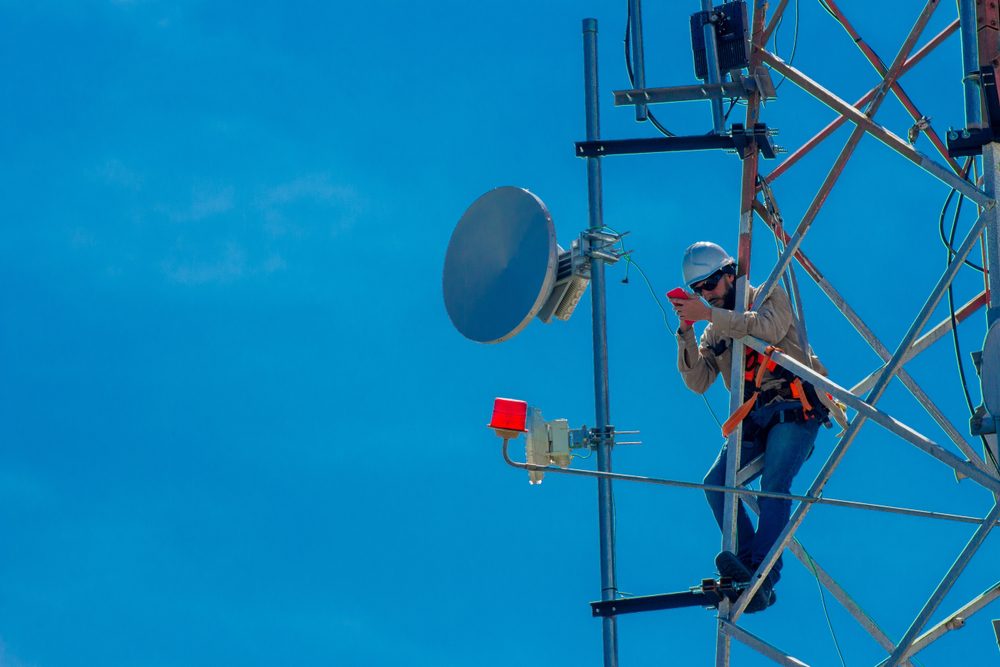
Telecommunications contractors build and maintain the infrastructure that carries voice, data, and broadband across commercial buildings, residential developments, and public networks. Tower erection, fiber optic installation, underground conduit work, distributed antenna systems, and last-mile broadband deployment all move through contractors who mobilize crews, procure materials, and begin work weeks or months before the billing cycle…
-

Industry Spotlight: Alternative Financing for Truck and Auto Parts Distributors
Truck and auto parts distributors supply the components that keep commercial fleets, repair shops, dealerships, and municipal vehicle operations on the road. OEM and aftermarket parts move from manufacturers through distributors to fleet operators, trucking companies, commercial repair facilities, and government vehicle maintenance operations, and those buyers expect fast delivery and reliable inventory availability. The…
-
Industry Spotlight: Alternative Financing for Electrical Equipment Distributors
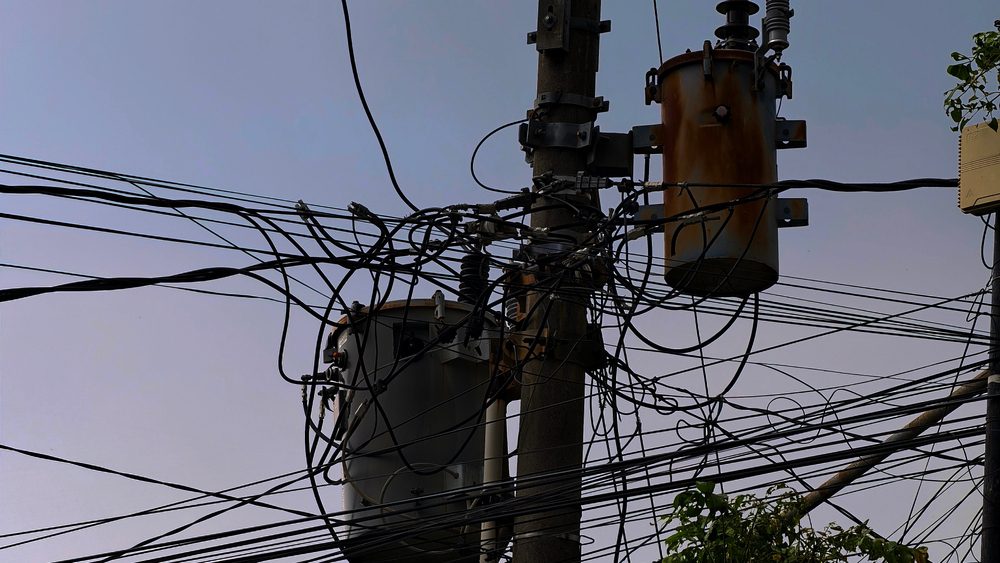
Electrical equipment distributors supply the components that keep construction projects moving and industrial facilities running. Switchgear, transformers, breakers, panels, wiring, conduit, motors, and lighting products move from manufacturers through distributors to electrical contractors, construction companies, industrial plants, utilities, and municipalities. The distributor sits in the middle of that supply chain, purchasing inventory from manufacturers on…