
Industry Spotlight: Alternative Financing for Transportation and Trucking Companies
The transportation sector is one of the broadest and most varied industries in the economy. General freight carriers, refrigerated transport companies, heavy haul and oversized load specialists, moving companies, tanker operators, auto transport carriers, and intermodal operators each run a distinct operation with distinct equipment requirements and customer profiles.
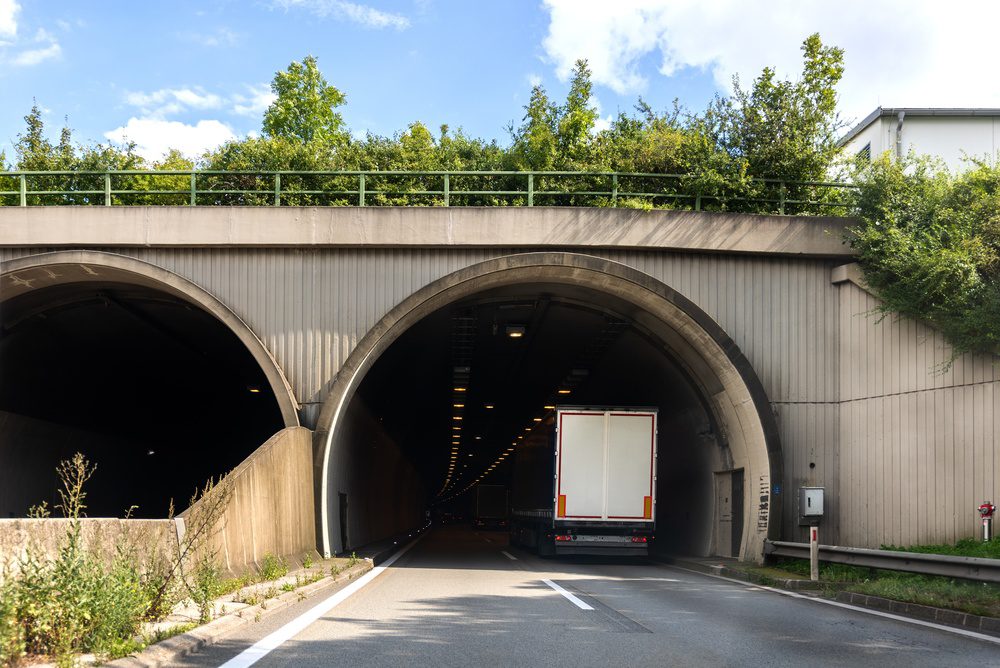
What they share is a cash flow structure built around delivering service before payment arrives, absorbing fuel, driver wages, and equipment costs in real time while freight bills and invoices work through broker and shipper payment cycles that can stretch 30 to 60 days from submission.
The Cash Flow Structure of Transportation Operations
Transportation companies carry their operating costs on a tight clock. Fuel is purchased at the pump before the load delivers. Driver wages run weekly or biweekly for company drivers. Lease payments, insurance premiums, and maintenance costs arrive on fixed schedules that reflect the cost of keeping equipment on the road rather than the timing of customer payments.
The revenue cycle moves at a different pace. A refrigerated carrier delivering perishable goods to a regional distributor submits a freight bill after delivery, and that bill enters the shipper’s or broker’s accounts payable process. A heavy haul company completing an oversized equipment move invoices on completion of the job. A moving company delivering a commercial relocation submits its invoice when the move is done. In each case, the work is complete, the equipment has done its job, and the payment is somewhere in the billing cycle waiting to clear.

Accounts Receivable Financing for Transportation Companies
AR financing converts outstanding freight bills and service invoices into working capital without waiting on the shipper’s, broker’s, or corporate client’s payment cycle. A refrigerated carrier that has delivered a load and submitted its freight bill can receive an advance against that bill within days rather than waiting out the broker’s payment cycle. A moving company that has completed a commercial relocation and invoiced the corporate client can access working capital tied to that completed job before the corporate accounts payable department cuts a check.
The creditworthiness of the account debtor supports the advance. Regional distributors, national retailers, corporate relocation accounts, and established freight brokers are account debtors whose payment obligations a financing company can assess with confidence. A transportation company invoicing that caliber of customer can access AR financing based on those relationships rather than on its own balance sheet.
Invoice Factoring for Transportation Companies
Invoice factoring is the working capital product with the longest history in the transportation industry, and it remains the tool that a broad range of carriers use to convert freight bills into cash. A transportation company sells its freight bills or service invoices to a factoring company, receives an advance within 24 hours of submitting the bill of lading or proof of delivery, and the factoring company collects from the shipper, broker, or corporate client when payment comes due.
The factoring model fits the documentation structure of transportation operations. Freight bills come with standardized supporting documents, rate confirmations, proofs of delivery, and bills of lading that give factoring companies a clear verification path. Specialized and commercial service invoices carry similar documentation that supports the factoring company’s underwriting of the account debtor’s payment obligation.
Equipment Financing Across Transportation Segments
The equipment requirements across transportation segments vary in scale and type, but the financing logic is consistent. A heavy haul specialist investing in a new lowboy trailer, a refrigerated carrier adding reefer capacity, a moving company upgrading its fleet, or a tanker operator replacing aging equipment can all use equipment financing to spread acquisition costs over time rather than absorbing them against operating cash.
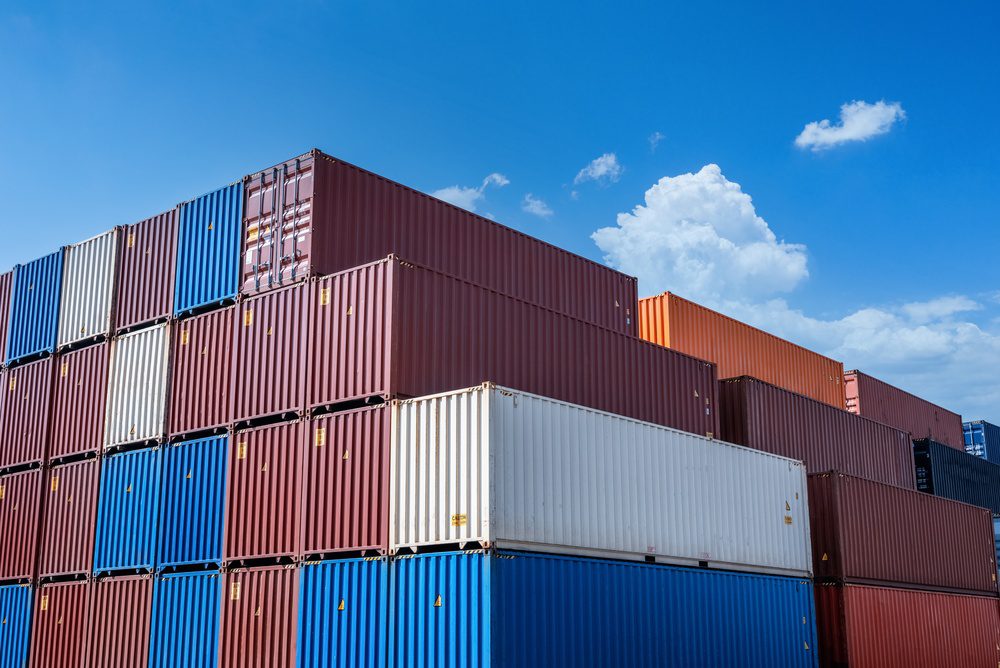
Sale-leaseback arrangements give transportation companies that own their equipment outright a way to convert that fleet equity into working capital while the vehicles and trailers remain in service. A carrier entering a capital-intensive growth phase can unlock value from owned equipment and apply it to the operational investment that growth requires.
What This Means for Transportation Companies
The cash flow challenge across the transportation sector is consistent in its structure even as it varies in its details. Equipment runs before payment arrives, operating costs run on fixed schedules, and the billing cycle creates a gap that grows with the size and complexity of the operation. AR financing, invoice factoring, and equipment financing give transportation companies tools to bridge that gap and grow capacity without depending on a conventional credit market that may undervalue the commercial strength of their customer relationships.
CapitalNetwork works with transportation companies across freight, specialized hauling, and commercial service segments to identify the right financing structure for the way the business operates. If freight bills are accumulating faster than payments are arriving or a new contract requires equipment investment before the first load delivers, this is the right time to explore what alternative financing can do for your operation.
Latest Blogs
-

Can I Get Alternative Business Funding With Bad Credit?
A low credit score closes some doors. It does not close all of them. If you’ve been turned down for a business loan because of your credit score, you’re not alone, and you’re not out of options. According to the Federal Reserve’s 2024 Small Business Credit Survey, 29 percent of business loan applicants were denied…
-
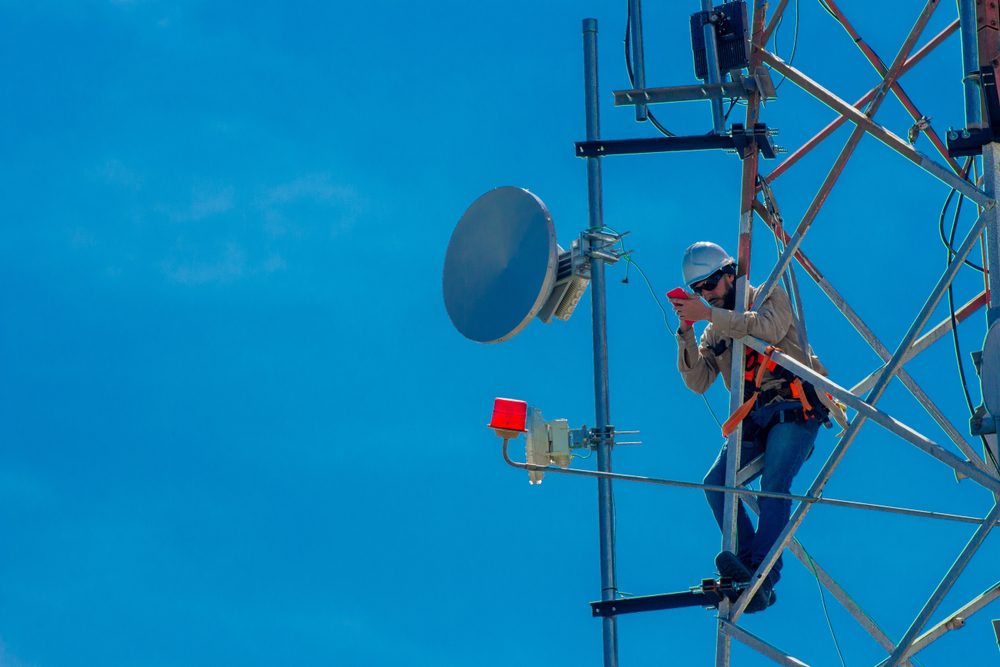
Industry Spotlight: Alternative Financing for Telecommunications Contractors
Telecommunications contractors build and maintain the infrastructure that carries voice, data, and broadband across commercial buildings, residential developments, and public networks. Tower erection, fiber optic installation, underground conduit work, distributed antenna systems, and last-mile broadband deployment all move through contractors who mobilize crews, procure materials, and begin work weeks or months before the billing cycle…
-

Industry Spotlight: Alternative Financing for Truck and Auto Parts Distributors
Truck and auto parts distributors supply the components that keep commercial fleets, repair shops, dealerships, and municipal vehicle operations on the road. OEM and aftermarket parts move from manufacturers through distributors to fleet operators, trucking companies, commercial repair facilities, and government vehicle maintenance operations, and those buyers expect fast delivery and reliable inventory availability. The…
-
Industry Spotlight: Alternative Financing for Electrical Equipment Distributors
Electrical equipment distributors supply the components that keep construction projects moving and industrial facilities running. Switchgear, transformers, breakers, panels, wiring, conduit, motors, and lighting products move from manufacturers through distributors to electrical contractors, construction companies, industrial plants, utilities, and municipalities. The distributor sits in the middle of that supply chain, purchasing inventory from manufacturers on…